
Aggravated DWI under VTL § 1192(2-a) has two forms. Paragraph (a) applies when a chemical analysis shows a BAC of .18% or higher. Paragraph (b) applies when a driver violates specified DWI or drug-impaired-driving provisions while a child age 15 or younger is a passenger. A first .18+ offense carries a higher fine range and a longer minimum license revocation than standard DWI, while the child-passenger offense is a Class E felony even on a first offense.
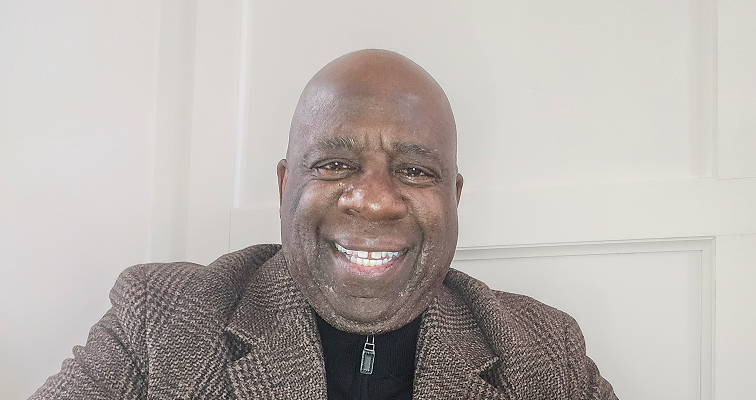
The Inniss Firm, PLLC represents drivers facing Aggravated DWI charges throughout New York. Founder Randall F. Inniss draws on more than 22 years of investigative experience as a former New York State Trooper, giving him firsthand insight into how DWI investigations and chemical testing are conducted. As a Suffern DWI defense lawyer, he reviews the circumstances of the stop, the chemical-test evidence, and other details that may affect the prosecution’s case.
This guide covers what qualifies as Aggravated DWI, how it differs from standard DWI, the potential penalties, when the offense can become a felony, and how the child-passenger provision applies.
For help evaluating an Aggravated DWI charge in Suffern or elsewhere in Rockland County, contact The Inniss Firm, PLLC at (845) 533-0265 for a free consultation.
What Must Prosecutors Prove Under NY VTL 1192(2-a)(a)?
Aggravated DWI under VTL § 1192(2-a)(a) is a per se offense. Prosecutors must prove that the defendant operated a motor vehicle and that a chemical analysis conducted under VTL § 1194 showed a BAC of .18% or higher. They do not have to prove that the driver appeared intoxicated.
VTL § 1192 sets a BAC of .08% or higher as the threshold for DWI per se under subdivision 2. Subdivision 2-a(a) establishes Aggravated DWI when the BAC reaches .18% or higher, creating a separate offense with its own elements and penalties.
The .18% threshold makes the accuracy of the chemical test an important part of the case. Breath and blood testing must follow applicable procedures, and problems with the equipment, testing process, or administration can affect the reliability of the result.
How Is Aggravated DWI Different From DWI Per Se in NY?
Standard DWI Per Se under VTL § 1192(2) applies at a BAC of .08% or higher. Aggravated DWI under § 1192(2-a)(a) applies at .18% or higher.
| Factor | DWI Per Se, VTL 1192(2) | Aggravated DWI, VTL 1192(2-a) |
|---|---|---|
| BAC threshold | .08% or higher | .18% or higher |
| Charge type (first offense) | Misdemeanor | Misdemeanor |
| Mandatory fine range | $500-$1,000 | $1,000-$2,500 |
| Maximum incarceration (first offense) | Up to 1 year | Up to 1 year |
| License action (first offense) | Revoked at least 6 months | Revoked at least 1 year |
| Ignition interlock | Required | Required |
Aggravated DWI also has specific plea-bargaining restrictions. Under VTL § 1192(10)(d), a plea resolving a § 1192(2-a) charge ordinarily must be to § 1192(2), § 1192(2-a), or § 1192(3). A plea to another charge is permitted when the district attorney determines that a VTL § 1192 charge is not warranted and the court places the basis for that decision on the record.
What Are the Penalties for .18+ Aggravated DWI in New York?
The penalties for a .18+ Aggravated DWI under VTL § 1192(2-a)(a) increase with prior convictions within 10 years. A first offense is a misdemeanor, while repeat offenses can result in felony charges.
| Offense (within 10 years) | Classification | Mandatory Fine | Maximum Incarceration | License Revocation |
|---|---|---|---|---|
| First Aggravated DWI | Misdemeanor | $1,000-$2,500 | 1 year | At least 1 year |
| Second Aggravated DWI | Class E felony | $1,000-$5,000 | 4 years | At least 18 months |
| Third Aggravated DWI | Class D felony | $2,000-$10,000 | 7 years | At least 18 months |
A conviction also carries additional costs and license-related requirements. The NY Department of Motor Vehicles (DMV) lists alcohol-related surcharges and fees of $395 for a misdemeanor and $520 for a felony, plus $5 for a conviction in a town or village justice court. New York also imposes a Driver Responsibility Assessment of $250 per year for three years.
For DWI convictions covered by the ignition-interlock law, the court orders an interlock restriction for at least 12 months. The restriction can end after proof that the device was installed and maintained for at least six months unless the court ordered a longer period. The defendant is responsible for the cost, but the court can approve a payment plan or waive the cost based on inability to pay.
The child-passenger offense under § 1192(2-a)(b) follows different rules and is a Class E felony even on a first offense.
Aggravated DWI Defense Attorney in Suffern – The Inniss Firm, PLLC
What Is Aggravated DWI With a Child Passenger?
VTL § 1192(2-a)(b), commonly associated with Leandra’s Law, applies when a driver violates § 1192(2), (3), (4), or (4-a) while a child aged 15 or younger is a passenger. New York enacted the provision in 2009 after 11-year-old Leandra Rosado was killed in a crash caused by an intoxicated driver.
The child-passenger offense does not require a BAC of .18% or higher. It is a Class E felony even for a first offense and carries additional consequences, including an ignition interlock requirement. A driver with a .18+ BAC and a child age 15 or younger in the vehicle can face charges under both provisions of § 1192(2-a).
What Happens If You Refuse a Chemical Test in an Aggravated DWI Case?
Refusing a post-arrest chemical test does not prevent a DWI prosecution. Under VTL § 1194, drivers are deemed to have consented to chemical testing when the statutory conditions are met. A refusal can lead to a separate DMV proceeding and license revocation.
For a first chemical-test refusal, the DMV lists these consequences:
- A $500 civil penalty, or $550 for commercial drivers
- License revocation for at least one year, or 18 months for commercial drivers
- Admission of the refusal as evidence at trial when the prosecution establishes that the driver received clear and sufficient warnings about the consequences and continued to refuse testing
Prosecutors can still pursue other DWI charges based on admissible evidence, such as the officer’s observations, driving behavior, field sobriety tests, and the driver’s statements. However, Aggravated DWI under VTL § 1192(2-a)(a) requires a qualifying chemical analysis showing a BAC of .18% or higher. Without that chemical-test result, the prosecution cannot establish the BAC element required for the .18+ aggravated per se offense.
What Should You Do If Charged With Aggravated DWI in Suffern, NY?
An Aggravated DWI charge can affect both the criminal case and your driving privileges. A chemical-test refusal can also lead to a separate DMV proceeding, so it is important to keep track of court appearances and any DMV deadlines.
After an arrest, focus on these steps:
- Attend every scheduled court appearance: Missing a required appearance can create additional legal problems and delay the case.
- Keep all documents related to the arrest: Save tickets, appearance notices, chemical-test paperwork, refusal documents, and anything else provided by the police or court.
- Do not ignore license-related notices: A DWI charge can result in license consequences before the criminal case is resolved, and a chemical-test refusal involves a separate DMV process.
- Preserve information related to the stop and testing: Details about the traffic stop, field sobriety tests, chemical testing, and events surrounding the arrest can help an attorney evaluate the evidence.
- Speak with a DWI attorney as early as possible: An attorney can review the charges, identify applicable deadlines, and determine which parts of the prosecution’s evidence require closer examination.
A misdemeanor DWI arising in Suffern can be prosecuted in Suffern Village Court. Town and village courts also handle arraignments and preliminary proceedings in felony cases, while felony trials are handled in County Court. For cases arising in Rockland County, felony trials are handled in Rockland County Court.
Get Help from a Suffern Aggravated DWI Attorney
A .18+ chemical-test result is significant evidence, but it does not by itself establish a conviction. The prosecution must still prove each element of the charge and establish that the chemical-test evidence is admissible and reliable.
At The Inniss Firm, PLLC, Randall F. Inniss represents drivers facing Aggravated DWI charges in Suffern and throughout Rockland County. His experience as a former New York State Trooper and Certified Breathalyzer Operator gives him firsthand knowledge of DWI investigations and chemical testing.
Call The Inniss Firm, PLLC at (845) 533-0265 for a free consultation. We serve clients from our office at 400 Rella Blvd #165 in Suffern and represent drivers throughout Rockland County and the Hudson Valley.
Frequently Asked Questions
What BAC counts as Aggravated DWI in New York?
A chemical analysis showing a Blood Alcohol Content (BAC) of .18% or higher triggers an Aggravated DWI charge under NY VTL § 1192(2-a)(a).
Is Aggravated DWI worse than a regular DWI charge?
Yes. Even as a first-offense misdemeanor, Aggravated DWI carries higher mandatory fines ($1,000-$2,500) and a longer minimum license revocation (at least one year) than standard DWI.
Can Aggravated DWI charges be reduced to DWI Per Se?
In some cases, yes. When the reading sits near .18%, a margin-of-error challenge or a problem with the testing procedure may support a reduction to standard DWI, though outcomes depend on the specific facts.
Will I lose my license immediately for Aggravated DWI in NY?
If the prompt-suspension requirements of VTL § 1193(2)(e)(7) are satisfied, the court must suspend the driver’s license pending prosecution, generally by the conclusion of the arraignment. A conviction under § 1192(2-a) carries a minimum one-year revocation, and a chemical-test refusal can trigger a separate DMV proceeding.
Does Aggravated DWI require an ignition interlock device?
Yes. The court must impose an ignition-interlock restriction for covered DWI convictions. The restriction is ordered for at least 12 months, although it may terminate after proof that the device was installed and maintained for at least six months unless the court ordered a longer period.
What happens if I have a child in the car during an Aggravated DWI stop?
Operating a vehicle in violation of VTL § 1192(2), (3), (4), or (4-a) while a passenger age 15 or younger is in the vehicle constitutes Aggravated DWI with a child under § 1192(2-a)(b). It is a Class E felony even for a first offense.
Do I need a lawyer for a .18+ BAC DWI charge in Suffern?
A .18+ charge carries enhanced fines, license consequences, and technical evidentiary issues. An attorney can review the traffic stop, the chemical test, prior conviction history, and any additional circumstances that could affect the classification or penalties.
via The Inniss Firm, PLLC https://www.trooper2lawyer.com/ny-vtl-1192-2a-aggravated-dwi/


No comments:
Post a Comment