Monday, August 31, 2026

What Mistakes Do Drivers Make When Stopped by Police?

Most negative outcomes at a traffic stop stem from a handful of avoidable driver mistakes rather than the violation itself. The way you move inside the car, the tone you use, whether you volunteer information, how you handle your passengers, and whether you keep your hands visible often matter more than the reason you were pulled over. In Middletown and across the Hudson Valley, drivers regularly turn a routine stop into a ticket, or something worse, by doing things an officer reads as a red flag. If the driver holds a regulated credential, the defense plan should also identify professional-license deadlines, employer notices, and board-related risks before the criminal case is resolved.

Middletown DWI defense lawyer Randall F. Inniss represents drivers charged with DWI and traffic offenses. Being a former New York State Trooper gives him an insider’s view of how officers evaluate driver behavior, administer field sobriety tests, and draft police reports. He uses this combination of law enforcement experience and legal training to examine police reports, evaluate roadside evidence, and represent drivers charged with traffic violations and DWIs in the Hudson Valley. 

This guide walks through the specific errors that turn ordinary stops into tickets or arrests and explains how to avoid each one. If you were ticketed or arrested after a traffic stop, call The Inniss Firm, PLLC at (845) 470-4236 to discuss your legal options.

What Should You Do in the First Moments of a Stop?

The first thirty seconds of a stop set the tone for everything that follows. When an officer feels at ease during a stop, the likelihood of a positive outcome increases for you. A relaxed officer is often more forgiving, so the goal from the moment you see the lights is to look calm, cooperative, and predictable.

Before the officer reaches your window, take a few simple steps:

  1. Pull over safely: Signal and move your vehicle to the right shoulder or a well-lit area promptly.
  2. Shut off the engine: Turn on your interior dome light if you are pulled over after dark.
  3. Lower your window: Silence or turn down any playing music and audio equipment.
  4. Place hands on the steering wheel: Keep both hands visible on the wheel and wait quietly for the officer to approach.

Doing these things first tells the officer you are not a threat and that you intend to cooperate. It removes the uncertainties that make an officer tense before a single word is spoken.

Why Is Exiting the Car Early a Critical Mistake?

Stepping out unprompted can read as non-compliance and immediately raises an officer’s guard, because from the officer’s point of view, a driver leaving the car is unpredictable and potentially dangerous. What you may intend as a courtesy can be perceived as a threat.

Stay seated with your seatbelt on and your hands visible unless and until the officer directs you to step out. If the officer wants you outside the vehicle, they will say so.

Why Should You Keep Your Hands Visible and Wait to Reach for Documents?

Keeping your hands visible, ideally on the steering wheel, can lower an officer’s suspicion during the approach. An officer walking up to your window watches your hands far more than your face, because that is where potential threats come from. For that reason, reaching toward the glovebox, center console, or your pockets before being asked is risky. Sudden movements can be misread as “furtive movements”, a signal to officers that a driver may be hiding contraband or may be reaching for a weapon.

Wait until the officer explicitly asks for your license and registration before you move. When they do, narrate your actions out loud before reaching. Tell the officer where the items are located. For example, you can declare that your registration is in the glovebox or your license is in your back pocket, and then retrieve them slowly.

Should You Explain Why You Think You Were Pulled Over?

Do not volunteer to the officer why you believe you were stopped. Even if the officer asks a question like “Do you know why I stopped you?”, never guess or offer a reason. A response such as “I was speeding, right?” can be noted as an admission by the officer and used against you in court. Write down the officer’s exact questions and the point at which the conversation changed from roadside inquiry to custodial questioning while the sequence is still fresh.

You are not required to answer questions about where you were coming from, how much you had to drink, or how fast you were going. Stay polite, but let the officer state the reason for the stop instead of doing their work for them.

Key Takeaway: Never guess at or admit fault out loud. Let the officer state the reason for the stop, and avoid answering questions that can be treated as admissions later.

How Should You Handle Passengers During the Stop?

A passenger can escalate a stop just as fast as a driver can. Before the officer approaches your car, instruct your passengers to stay quiet, remain still, and keep their hands visible. An officer watching multiple people move and talk at once has more to worry about, and that added tension can affect how the officer treats you.

Set expectations early so no one argues with the officer, reaches for anything, or interjects. One calm car is far easier for an officer to trust than a busy one.

Middletown DWI Defense Attorney, The Inniss Firm, PLLC
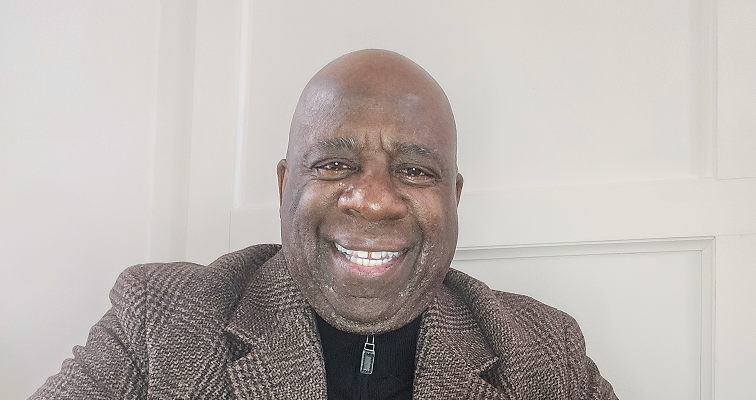
Randall F. Inniss, Esq.

Randall F. Inniss, Esq. earned a Bachelor of Science with honors from Binghamton University, a Juris Doctor, and a Master of Laws (LL.M.) in Criminal Law from the SUNY Buffalo School of Law. Admitted to practice in New York for over 25 years, he built his understanding of criminal procedure through both academic study and hands-on experience. Prior to starting his law practice, Attorney Inniss served 22 years with the New York State Police as a Trooper, Investigator, and Certified Breathalyzer Operator, personally conducting or participating in over 100 roadside DWI stops.

He has also taught criminal justice as an adjunct professor and holds memberships in the National College for DUI Defense and the New York State Association of Criminal Defense Lawyers. Today, Attorney Inniss draws on this background to defend motorists facing traffic tickets and DWI charges in Middletown and the Hudson Valley, applying his knowledge of law enforcement protocols to evaluate traffic stops, scrutinize field sobriety tests, and challenge police report evidence.

Does Your Attitude Toward the Officer Affect the Ticket?

Your attitude is the single biggest factor you can control during a stop. Creating a hostile environment during a traffic stop can make the situation worse and may push the officer to issue a ticket instead of giving you a warning, even if the officer had not yet decided to write one. This can happen when a driver complains about the stop, shows attitude through words, sighing, eye-rolling, or other body language, delays or refuses to lower the window, leaves music playing loudly, or gives short and dismissive answers. A short written checklist for the first 24 hours can reduce avoidable mistakes such as posting online, discarding paperwork, or contacting witnesses without legal advice.

The better approach is straightforward respect. Be polite, maintain a neutral tone, and answer necessary questions concisely. You are not guaranteed a warning, but a calm, respectful exchange gives you the best chance at a break or a lesser charge.

Should You Mention a Friend Who’s in Law Enforcement?

Drivers often think name-dropping a friend or relative in law enforcement will help. Avoid dropping names or mentioning that you have friends or relatives in law enforcement. Officers often perceive this as an attempt to seek preferential treatment or avoid accountability, which usually backfires and increases officer scrutiny. 

Should You Ask for a Break Before the Officer Leaves?

If you are going to ask for leniency, the time to do it is before the officer leaves your window on the initial approach, not after they return with a ticket already written. Once the citation is printed, the officer has less room to reconsider. An early polite request, perhaps for a lesser, non-moving violation such as an equipment ticket instead of a moving violation, gives the officer the option to review.

There is no guarantee you will get a lesser charge, but asking respectfully and early simply keeps the door open while it is possible.

What If the Officer Asks You to Take Field Sobriety Tests?

If an officer suspects impairment, they may ask you to perform Standardized Field Sobriety Tests (SFSTs), such as the walk-and-turn, the one-leg stand, or the horizontal gaze nystagmus (eye) test. Standard physical field sobriety tests are voluntary in New York, but drivers often agree to them without realizing the officer is actively gathering evidence of impairment.

Roadside physical tests differ from post-arrest chemical tests (breath, blood, or urine). Chemical tests are governed by New York’s Implied Consent Law under Vehicle and Traffic Law § 1194. Refusing a chemical test after arrest carries administrative penalties, including automatic license suspension.

Feature Roadside Field Sobriety Tests (SFSTs) Post-Arrest Chemical Tests
When Administered On the roadside before an arrest is made At the police station, facility, or hospital after an arrest
Common Examples Horizontal gaze nystagmus (eye test), walk-and-turn, one-leg stand Evidentiary breath machine (e.g., DataMaster), blood, or urine test
Legal Status Voluntary under New York law Required under NY Implied Consent Law (VTL § 1194)
Penalty for Refusal No automatic administrative license suspension for refusing physical tests Mandatory license suspension/revocation and a civil penalty

Key Takeaway: Roadside field sobriety tests are voluntary in New York, while the post-arrest chemical test carries implied-consent penalties under Vehicle and Traffic Law § 1194. 

Can These Mistakes Lead to a New York DWI Arrest?

Individually, minor errors may only result in a ticket. However, combining multiple mistakes—stepping out unprompted, making sudden movements, admitting to drinking, arguing, and performing poorly on physical tests—gives an officer a complete case for an arrest.

Additionally, refusing to follow lawful orders from an officer can lead to separate charges, such as Obstructing Governmental Administration in the Second Degree under New York Penal Law § 195.05. Preserve body-camera footage, witness names, photographs, and medical context because a common-law DWI case can turn on how observations are interpreted.

Get Help from a Middletown DWI Defense Attorney

Being ticketed or arrested after a traffic stop is stressful, and the choices you made at the roadside are not the end of your case. Whether you made an innocent admission, reached for your paperwork early, or agreed to voluntary field sobriety tests, what an officer observed, said, and documented can still be examined, questioned, and challenged in court.

DWI defense attorney Randall F. Inniss is a former New York State Trooper with extensive investigative experience who now defends drivers throughout Middletown and the Hudson Valley. After personally conducting or assisting in more than 100 roadside DWI stops, he understands how officers observe drivers, document arrests, and build DWI cases from the beginning. As an attorney admitted to practice in New York, he uses that law enforcement background to review each traffic stop closely, scrutinize police reports for inaccuracies, identify omitted details, and challenge roadside evidence when the facts support it.

Call The Inniss Firm, PLLC at (845) 470-4236 to schedule a consultation. Our office is located at 280 NY-211 Ste 203, Middletown, NY 10940, and we represent drivers across the Hudson Valley who were ticketed or arrested after a traffic stop.

Frequently Asked Questions

Do I have to get out of my car during a traffic stop?

Stay in the vehicle unless the officer specifically instructs you to step out. Getting out on your own reads as non-compliance and puts the officer on alert, which can turn a minor stop into a tense one.

Should I answer when an officer asks if I know why I was stopped?

No. Do not guess or admit fault. A response like “I was speeding, right?” can be treated as an admission and used against you later, so let the officer state the reason for the stop instead.

Where should I put my hands when an officer approaches?

Keep both hands visible on the steering wheel. If it is dark, turn on your interior light, and avoid reaching toward the glovebox, console, or your pockets until the officer asks for your documents.

Are field sobriety tests required in New York?

Roadside field sobriety tests are voluntary in New York. The post-arrest chemical test is different and carries implied-consent consequences under Vehicle and Traffic Law § 1194, so the two decisions should not be treated the same.

Can being rude to an officer actually get me a ticket?

It can. An officer who was on the fence about writing a ticket is more likely to write it after a hostile exchange, and cues like sighing, eye-rolling, delaying your window, or loud music all count.

When is the best time to ask for a break?

Ask politely before the officer leaves your window on the first approach, not after they return with a ticket already written. Once the citation is printed, there is far less room for the officer to reconsider. For a first arrest, collect the appearance ticket, testing paperwork, property voucher, and any release conditions in one file before the first attorney meeting.


via The Inniss Firm, PLLC https://www.trooper2lawyer.com/10-critical-errors-motorists-make-when-stopped-by-a-cop/

What Are Common Defenses Against DUI/DWI Charges in New York?

New York law uses the terms DWI and DWAI, although DUI is a common search term. These charges can be challenged when the evidence or police procedure is unreliable. Medical issues, BAC timing, field sobriety testing, an unlawful stop, report conflicts, and testing mistakes can each affect the prosecution’s case. If the driver holds a regulated credential, the defense plan should also identify professional-license deadlines, employer notices, and board-related risks before the criminal case is resolved.

At The Inniss Firm, PLLC, attorney Randall F. Inniss helps drivers throughout Orange County and the Hudson Valley defend against DUI/DWI charges. Our New York DWI/DUI defense attorney reviews the traffic stop, testing evidence, and police records to identify defenses supported by the facts.

This guide explains how these defenses are evaluated and which records can help determine whether they apply. Call The Inniss Firm, PLLC at (845) 470-4236 to schedule a free case review.

How Can a Medical Condition Challenge a NY DWI Test?

Some medical and dental conditions can be relevant to a breath test, but they do not make the result inaccurate on their own. Dentures alone do not establish an inaccurate reading. The relevant questions are whether mouth alcohol remained when the sample was taken and whether the officer completed the required observation period.

Gastroesophageal reflux disease (GERD) can become relevant if reflux or regurgitation brings alcohol into the mouth before testing. A GERD diagnosis alone does not prove that a breath result is inflated. The timing of drinking, signs of reflux, observation video, and the test sequence must support the challenge.

If you have a medical condition that could affect a breath test or an officer’s observations, share that information with your attorney. The Inniss Firm, PLLC can compare medical records, test footage, breath test documents, and symptom timing to evaluate the condition’s potential impact on the evidence used to support a charge under Vehicle and Traffic Law § 1192.

Can Rising Blood Alcohol Levels Beat a DWI Charge?

A rising BAC argument focuses on the time between driving and testing. Alcohol can continue to enter the bloodstream after driving ends, so a later chemical test can show a higher BAC than the driver had while operating the vehicle.

Absorption depends on the drinking pattern, food intake, and other facts. This issue is most relevant when the reading is close to a legal threshold and receipts, video, witness accounts, or test times support the timeline.

A roadside preliminary breath test serves mainly as an investigative tool and can support probable cause. In the Second Department, its result is not admissible to prove intoxication unless the prosecution establishes a proper foundation for the device’s reliability.

Under Vehicle and Traffic Law § 1194, deemed consent applies to a chemical test administered within two hours of arrest or within two hours after a field breath test under § 1194(1)(b) indicates alcohol consumption. The two-hour limit governs deemed consent. Results from a later test can still be admitted when the driver voluntarily consents or the test is authorized by a court order or search warrant.

DUI/DWI Defense Attorney in Middletown: The Inniss Firm, PLLC

Randall F. Inniss, Esq.

Randall F. Inniss is the founder of The Inniss Firm, PLLC, a criminal defense practice serving Middletown and communities throughout New York’s Hudson Valley. Mr. Inniss earned a B.S. with honors from Binghamton University, a J.D. in 1997, and an LL.M. in Criminal Law in 2003 from the University at Buffalo School of Law. Before founding the firm in 2015, he served for 22 years with the New York State Police as a Trooper, Investigator, and Senior Investigator.

Mr. Inniss is a former Certified Breathalyzer Operator and narcotics unit supervisor. He also holds an instructor-level qualification in NHTSA Standardized Field Sobriety Testing. He serves as First Vice President of the New York State Association of Criminal Defense Lawyers. He is also a member of the National College for DUI Defense and a Fellow of the American Association of Premier DUI Attorneys.

Can Job-Related Alcohol Exposure Affect a DWI Case?

Recent exposure to alcohol vapors or certain volatile chemicals can be relevant, but exposure alone does not show that a breath result is wrong.

Vapors from alcohol-based products can cause temporary readings on some devices when exposure occurs shortly before testing. Alcohol on the skin alone does not establish an inaccurate evidential breath result. Some evidential breath instruments are designed to flag certain interfering substances, but the response depends on the instrument and chemical involved.

To evaluate a workplace exposure claim, The Inniss Firm, PLLC can compare the product information and exposure time with the instrument model, test printout, and observation video. An interference or error message can help assess whether the exposure affected the test sequence or result.

Do Field Sobriety Test Errors Support a NY Defense?

NHTSA uses a three-test battery: Horizontal Gaze Nystagmus, Walk-and-Turn, and One-Leg Stand. Each test has standardized instructions and scoring clues. Departures from those procedures, physical limitations, and roadside conditions can affect the weight of the results.

Standardized Test What the Officer Looks For Issues the Defense Can Review
Horizontal Gaze Nystagmus Lack of smooth pursuit, distinct and sustained nystagmus at maximum deviation, and onset of nystagmus before 45 degrees Medical or neurological conditions, substances that can cause nystagmus, and improper stimulus distance, speed, or position
Walk-and-Turn Difficulty balancing during instructions, starting too soon, stopping while walking, missing heel-to-toe, stepping off the line, using arms for balance, turning improperly, or taking the wrong number of steps Physical limitations, leg or back injuries, footwear, uneven ground, poor lighting, and incomplete instructions
One-Leg Stand Swaying, using arms for balance, hopping, or putting the foot down Balance or inner ear conditions, prior injuries, wind, rain, uneven ground, and incomplete instructions

A New York DWI/DUI defense attorney can compare body camera or dash camera footage with the officer’s report and the NHTSA testing procedures. That comparison may reveal differences involving the instructions, the reported performance, or the roadside conditions.

Can an Illegal Stop Get DWI Evidence Suppressed?

A stop for a traffic violation requires probable cause to believe the violation occurred. A stop based on suspected criminal activity requires reasonable suspicion that a person in the vehicle committed, is committing, or is about to commit a crime. People v. Ingle, 36 N.Y.2d 413 (1975), also bars arbitrary or random vehicle stops. If the stated reason does not hold up, the defense can challenge the legality of the stop.

When the stop itself was unlawful, the defense can move to suppress the evidence that came from it under Criminal Procedure Law § 710.20. That can include the officer’s observations, statements you made at the roadside, field sobriety test results, and the chemical test reading taken later at the station.

If the suppression motion raises a factual dispute, the court can hold a pretrial hearing. The officer can be cross-examined about what was observed before the stop, and dash camera footage, patrol logs, and radio transmissions can be compared with that testimony. If key evidence is suppressed, the prosecution may be left without enough proof to continue.

The Inniss Firm, PLLC can use those materials to help determine whether the facts support a suppression motion under Criminal Procedure Law § 710.20. Photographs of the roadway, footwear, weather, lighting, and nearby traffic can help preserve the conditions that shaped the field sobriety test.

How Do Police Report Errors Help a DWI Defense?

An inaccuracy in a police report matters when it concerns an important fact, such as the time, location, driving conduct, statement, test instruction, score, or sequence of events. The report can be checked against body camera footage, dash camera footage, dispatch records, tickets, and breath test documents.

A minor typo does not invalidate the case, but a significant conflict may affect the officer’s credibility or the reliability of the investigation. When a report conflicts with video about the reason for the stop or how a test was administered, the inconsistency may support a challenge to the related evidence.

What Procedural Mistakes Weaken a DWI Case in NY?

Procedural errors can affect a DWI case when they involve evidence collection, chemical testing, statements, or the arrest. The effect depends on the rule involved and the evidence connected to the error.

For example, New York requires a driver to be observed for at least 15 minutes before an evidential breath sample is collected. During that period, the driver must not ingest alcohol or other fluids, regurgitate, vomit, eat, smoke, or place anything in the mouth. If the driver regurgitates, vomits, smokes, or places anything in the mouth, an additional 15-minute waiting period is required.

Testing records can help evaluate how a breath or blood result was produced. Depending on the test, defense counsel can request and review:

  • Calibration and simulator solution records for the specific instrument used
  • Maintenance and repair history, including any prior malfunctions
  • The operator’s certification and training records
  • The completed checklist and observation period documentation
  • Gas chromatograms and supporting data for blood testing

An instrument’s internal checks do not replace review of the supporting records. The prosecution must establish a proper foundation for the result, including proof that the instrument was working properly and the test was administered correctly. A defect can affect admissibility or the weight given to the result, depending on the issue and the evidence.

Miranda warnings apply before custodial interrogation. They are not required before physical field sobriety tests or chemical tests. A Miranda violation can lead to suppression of unwarned statements, but it does not automatically invalidate the arrest or exclude physical test results.

These records can be difficult to interpret without familiarity with breath-testing procedures. Randall F. Inniss’s background as a former Certified Breathalyzer Operator can help identify mechanical or procedural issues that may affect the criminal charge or, if the driver refused a chemical test, a separate DMV proceeding. 

Key Takeaway: A procedural mistake matters when it affects a breath result, a statement, or the legality of the stop or arrest. The type of error determines whether the defense can seek suppression, challenge admissibility, or argue that the evidence deserves less weight. A short written checklist for the first 24 hours can reduce avoidable mistakes such as posting online, discarding paperwork, or contacting witnesses without legal advice.

Speak With a Middletown DWI Defense Attorney

A DUI/DWI arrest raises immediate questions about your license, your job, and what happens at your next court date. The answers depend on facts specific to your stop, your testing, and the paperwork the officer produced. 

The Inniss Firm, PLLC can review the charge and identify records or video that should be preserved. Our Middletown DWI defense attorney can also address license-related issues and prepare the case for court or, when applicable, a DMV refusal hearing.

Call us at (845) 470-4236 to schedule a consultation, or visit our office at 280 NY-211, Suite 203, Middletown, NY 10940. We serve clients in Middletown, throughout Orange County, and across the Hudson Valley, including Rockland, Dutchess, Sullivan, Ulster, and Putnam counties.

Frequently Asked Questions

What is the legal BAC limit for DWI in New York?

New York’s per se DWI limit is 0.08 BAC. A BAC above 0.05 but below 0.07 is relevant evidence of impairment, while 0.07 to below 0.08 is prima facie evidence that the driver’s ability was impaired. BAC-based Aggravated DWI begins at 0.18, and commercial motor vehicle per se offenses begin at 0.04. The Zero Tolerance Law covers drivers under 21 with a BAC from 0.02 through 0.07 when no Vehicle and Traffic Law § 1192 charge arises from the same incident.

Can a DWI charge be dismissed if the breath test was wrong?

A flawed breath test does not automatically end a case. Skipped testing steps, instrument problems, or evidence of mouth alcohol can support a challenge to the admissibility or weight of the result.

What happens if I refuse a chemical test in New York?

For an adult arrested under Vehicle and Traffic Law § 1192, the court temporarily suspends driving privileges while the chemical test refusal is addressed through the DMV process. If the refusal is sustained and the driver has no qualifying prior event within the previous five years, the civil penalty is $500 and the noncommercial revocation lasts at least one year. Certain prior refusal revocations or convictions or findings under § 1192 or § 1192-a can increase the revocation period, and some prior events can raise the civil penalty to $750. A refusal while operating a commercial motor vehicle carries a $550 penalty, and a CDL holder faces at least an 18-month CDL revocation.

When is a DMV refusal hearing scheduled after a DWI arrest?

In an adult refusal case under Vehicle and Traffic Law § 1192, the court provides the scheduled DMV hearing date, so the driver does not have to file a request within a set number of days. If the DMV fails to provide for the hearing within 15 days after arraignment, driving privileges are reinstated pending the hearing. Failing to appear at the scheduled hearing is treated as a waiver, but the driver can petition for a new hearing.

Are field sobriety tests mandatory in New York?

New York’s chemical test refusal penalties do not apply to the Horizontal Gaze Nystagmus, Walk-and-Turn, or One-Leg Stand tests. Refusing those physical tests does not trigger the DMV chemical test revocation, although the refusal can be admitted as evidence. A roadside preliminary breath test is different: Vehicle and Traffic Law § 1194(1)(b) requires a driver involved in an accident or traffic violation to submit when an officer requests it.

What penalties does a first DWI conviction carry in New York?

A first misdemeanor DWI under Vehicle and Traffic Law § 1192(2) or § 1192(3) carries a $500 to $1,000 fine, up to one year in jail, and at least a six-month revocation of ordinary driving privileges, plus surcharges and fees. The court also imposes probation or a conditional discharge with an ignition interlock order of at least 12 months, which can end after six months of documented installation and maintenance unless a longer period was ordered. A first DWAI carries a $300 to $500 fine, up to 15 days in jail, and a 90-day suspension for drivers age 21 or older. Drivers under 21 and CDL holders face separate license sanctions. A separate calendar for court dates, DMV deadlines, and driving-status changes can prevent a missed step while the case is pending.

Do I need a lawyer for a first offense DWI in Middletown?

You are not legally required to hire a lawyer, but a first misdemeanor DWI can lead to a criminal record, license consequences, higher insurance costs, and professional licensing concerns. An experienced attorney can evaluate the traffic stop, testing procedures, police reports, and available defenses before you decide how to handle the charge. Call The Inniss Firm, PLLC at (845) 470-4236 to schedule a free consultation.


via The Inniss Firm, PLLC https://www.trooper2lawyer.com/common-defenses-against-dui-dwi-charges-in-new-york/

Tuesday, August 18, 2026

How Does a DMV Hearing Work in New York?

After a DWI arrest in New York, you may face two separate proceedings at once. The criminal case decides whether you are guilty of a crime, while the Department of Motor Vehicles (DMV) hearing looks at your right to drive. These two proceedings run on different tracks with different decision-makers. However, the DMV hearing matters most in cases where a driver refused a chemical test, and skipping it can cost you your license by default. 

At The Inniss Firm, PLLC, Hudson Valley DWI defense attorney Randall F. Inniss evaluates these cases using both law enforcement and legal experience. As a former New York State Trooper with many years of investigative experience, he examines traffic stops, field sobriety tests, and chemical test procedures from both investigative and defense perspectives. 

This guide explains what a DMV hearing is, when it happens, what to expect, what evidence gets reviewed, the risks involved, and how a refusal impacts your New York driving privileges. To learn more about how a DWI defense attorney can protect your license, reach out today at (845) 470-4236 for a consultation and a clear plan for both your DMV hearing and your criminal case.

What Is a DMV Hearing After a DWI Arrest in New York?

A DMV hearing is an administrative proceeding that reviews your driving privileges. It decides whether you can keep your driver’s license after a DWI arrest. It is not a criminal trial, and no criminal judge is involved. 

The most common type after a DWI arrest is the chemical test refusal hearing. Under New York Vehicle and Traffic Law § 1194, this hearing looks at whether you refused to take a chemical test, such as a breath or blood test, after police asked you to. This hearing is independent of the criminal court case.

When Does a DMV Hearing Happen in New York?

Under New York law, a DMV refusal hearing must be scheduled within 15 days of your court arraignment. At your arraignment, the criminal court judge temporarily suspends your license pending the DMV refusal hearing. If the DMV does not hold the hearing within 15 days, your temporary suspension must be lifted and your driving privileges restored pending the hearing.

The hearing date is separate from your first appearance in criminal court. While the criminal court handles criminal charges, the DMV hearing deals solely with the chemical test refusal question and administrative license revocation.

If you cannot come to the scheduled date, you may request an adjournment through the DMV’s Division of Safety and Business Hearings. Requests should be made in advance and in writing; however, the number of adjournments allowed is limited.

Who Decides the Outcome at a New York DMV Hearing?

An Administrative Law Judge (ALJ) decides the outcome of a DMV hearing. The ALJ presides and rules on what evidence may be considered fairly and impartially through the DMV’s Safety and Business Hearings Bureau. Hearings are held at regional DMV offices throughout New York or are conducted online. 

The ALJ is not bound by the strict rules of evidence used in a criminal trial, which means the hearing can move faster and consider more types of documents. This judge rules only on your license status, not on whether you are guilty of a crime. Guilt or innocence is determined in the criminal court, where a different judge and different rules apply.

At a chemical test refusal hearing, the ALJ focuses on a few key questions. These include whether the traffic stop was lawful, whether there was reason to believe you were driving while intoxicated, whether you were clearly warned that refusing carried consequences, and whether you in fact refused.

Key Takeaway: An Administrative Law Judge (ALJ), not a criminal judge, decides the DMV hearing. The ALJ rules only on your license, focusing on the stop, the refusal, and whether you were properly warned, never on criminal guilt.

What Happens During a DMV Hearing in New York?

The hearing is a structured session where the DMV presents its case, and you have a chance to respond. The arresting officer testifies about the stop and the events that followed. The ALJ reviews the officer’s account and the supporting documents. You and your attorney then have the opportunity to question the officer and present your side.

Both sides can examine and cross-examine witnesses and raise objections, similar to the rights parties have in a civil case.

What Evidence Does the DMV Review?

The DMV reviews the documents and testimony tied to your arrest. The central records at a chemical test refusal hearing include:

  • The police report describing the traffic stop and the officer’s observations
  • The chemical test refusal report documenting that you declined the test
  • Any breath test records or notes on field sobriety testing
  • The officer’s live testimony about what happened and what warnings were given

The ALJ weighs these records together. If the paperwork is incomplete, inconsistent, or contradicts the officer’s testimony, that can affect the hearing outcome.

What Rights Do You Have at the Hearing?

You have the right to be represented by an attorney, the right to question the officer, and the right to present your own account and evidence. You can also raise objections and challenge the accuracy or completeness of the DMV’s documents. 

Preparation is the key to using these rights well. Reviewing the paperwork in advance, knowing the questions to ask, and organizing your responses all help you make the strongest case for your license.

Key Takeaway: A New York DMV refusal hearing allows you and your attorney to review arrest records, cross-examine the arresting officer, and present defense evidence. The outcome depends on the officer’s testimony and the accuracy of official documents, making early preparation and checking paperwork inconsistencies important in defending your driving privileges.

Hudson Valley DWI Defense Attorney, The Inniss Firm, PLLC

Randall F. Inniss, Esq.

Randall F. Inniss represents clients facing DWI charges in Orange County and the Hudson Valley. He served as a New York State Trooper for more than 22 years, handling DWI, misdemeanor, and felony investigations, and has practiced law for over 25 years. His law enforcement background informs his evaluation of prosecution evidence, including traffic stops, field sobriety testing, chemical test administration, and police documentation.

Mr. Inniss earned his Juris Doctor (J.D.) and Master of Laws (LL.M.) in Criminal Law from the University at Buffalo School of Law. He is a member of the National College for DUI Defense, the American Association of Premier DUI Attorneys, and the New York State Association of Criminal Defense Lawyers.

What Can You Lose or Keep After a DMV Hearing?

The outcome of a DMV hearing decides whether you keep your license or lose it. If the ALJ finds the refusal was proven, your license is revoked for a minimum of one year and a mandatory $500 civil penalty ($750 for repeat refusals/DWI offenses within 5 years) is imposed. A revocation means your license is canceled, and you must reapply with the DMV once the revocation period ends. If the ALJ finds the DMV did not meet its burden, the case is dismissed and your driving privileges are restored.

Here is a simplified look at how the possible outcomes compare:

Outcome What It Means Effect on Driving
Refusal Sustained ALJ finds refusal proven Mandatory 1-year minimum revocation and $500 civil penalty; strictly ineligible for a hardship or conditional privilege.
Case dismissed ALJ finds the DMV did not meet its burden Driving privileges restored

Key Takeaway: A DMV refusal hearing can uphold a license revocation or dismiss the case. If the refusal is sustained, your license is revoked for at least one year and you are legally barred from receiving a hardship driving privilege.

What Happens If You Miss Your DMV Hearing in New York?

Attending matters because it is your one chance to question the officer, point out problems in the records, and argue for keeping your license. If you miss your DMV hearing, your license is automatically revoked by default. Failing to appear constitutes a legal waiver of your right to a hearing, and the DMV is required to revoke your driving privileges without further review.

This is one of the biggest risks after a chemical test refusal arrest. A driver who ignores the notice or forgets the date can lose driving privileges without ever presenting a defense. The paperwork the DMV relies on goes unchallenged.

If a valid emergency will prevent you from attending the scheduled hearing, you can request an adjournment in advance. Acting early and staying in contact with the DMV’s hearing division is better than simply not showing up.

Are You Eligible for a Hardship Privilege After a Chemical Test Refusal? 

It is critical to understand that hardship driving privileges are not available in chemical test refusal cases. While New York law allows judges to issue hardship privileges during criminal court arraignments for certain BAC-based prompt suspensions (e.g., test results of 0.08% or higher), drivers charged with refusing a chemical test are statutorily barred from receiving hardship relief.

Under New York Vehicle and Traffic Law § 1194, a chemical test refusal results in mandatory license revocation without eligibility for a hardship or pre-conviction conditional license. The only ways to avoid a refusal revocation are winning the DMV hearing, having the case dismissed, or having the temporary suspension lifted if the DMV fails to conduct the hearing within 15 days.

Because criminal charges and DMV refusal proceedings move on separate, overlapping tracks, coordinating your legal defense across both matters is essential.

Key Takeaway: Chemical test refusal cases are legally barred from hardship driving privilege eligibility. While hardship licenses exist for BAC-based prompt suspensions in criminal court, a chemical test refusal results in mandatory revocation without hardship driving relief.

Get Help from a Middletown DWI Defense Attorney

A DMV hearing and a criminal DWI case proceed simultaneously on separate timelines, especially for a first-time DWI. The DMV can suspend or revoke driving privileges before the criminal case resolves. Each proceeding follows different rules and strict deadlines; both tracks must be addressed independently.

Randall F. Inniss brings the perspective of a former New York State Trooper with many years of investigative experience and as an attorney. He represents drivers at DMV chemical test refusal hearings, challenges the stop and the paperwork behind the charge, and pursues hardship driving privileges in court when eligible after a BAC-based suspension.

Call The Inniss Firm at (845) 470-4236 or visit our office located at 280 NY-211, Suite 203, in Middletown to discuss your case. We help drivers across Orange County and the Hudson Valley.

Frequently Asked Questions about New York DMV Hearings

Is a DMV hearing the same as going to court for DWI?

No. A DMV hearing is an administrative proceeding about your driving privileges, while the criminal court case decides whether you are guilty of a crime. They involve different decision-makers and different rules, and the results are independent of each other.

How long does a DMV hearing take?

The hearing session itself is usually shorter than a criminal trial. The full process, including the written decision, takes longer; the DMV mails its findings and disposition to your address on record, and you should generally allow four to six weeks after the hearing to receive it.

Can I bring a lawyer to my DMV hearing in New York?

Yes. You have the right to be represented by an attorney at the hearing. A lawyer can question the arresting officer, challenge the documents, and present your side, which can make a meaningful difference in the outcome.

What happens if the DMV sustains my refusal?

If the refusal is sustained, your license is revoked for a minimum of one year and a civil penalty is assessed. You are not eligible for a hardship driving privilege during a refusal revocation, though you may appeal the ALJ’s decision.

Can I appeal a DMV hearing decision in New York?

Yes. According to the New York DMV, you may appeal by filing an Administrative Appeal Form (AA-33A) with the DMV Appeals Board within 60 days of the order of suspension or revocation, decision letter, or notice.

Do I still need to go to my criminal arraignment if I have a DMV hearing?

Yes. The DMV hearing does not replace your criminal court appearance. The arraignment is part of the separate criminal case, where criminal charges are formally presented, so both matters require your prompt attention.

What if I refused the chemical test? Does that change my DMV hearing?

A chemical test refusal is the central issue at this type of DMV hearing. Under Vehicle and Traffic Law § 1194, the hearing examines whether you refused the test after being properly warned, and the ALJ’s findings on that question drive the result.

Can I get a hardship privilege if I lose my DMV refusal hearing? 

No. New York law explicitly excludes chemical test refusal cases from hardship privilege eligibility. A sustained refusal results in license revocation without hardship driving relief.


via The Inniss Firm, PLLC https://www.trooper2lawyer.com/blog/how-dmv-hearings-work-new-york/