
Most negative outcomes at a traffic stop stem from a handful of avoidable driver mistakes rather than the violation itself. The way you move inside the car, the tone you use, whether you volunteer information, how you handle your passengers, and whether you keep your hands visible often matter more than the reason you were pulled over. In Middletown and across the Hudson Valley, drivers regularly turn a routine stop into a ticket, or something worse, by doing things an officer reads as a red flag. If the driver holds a regulated credential, the defense plan should also identify professional-license deadlines, employer notices, and board-related risks before the criminal case is resolved.
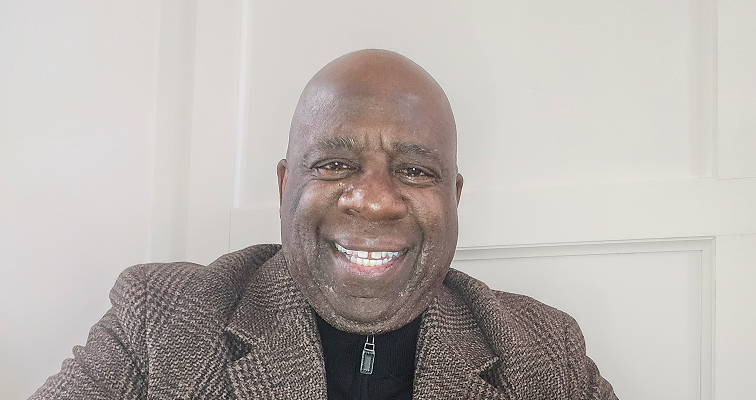
Middletown DWI defense lawyer Randall F. Inniss represents drivers charged with DWI and traffic offenses. Being a former New York State Trooper gives him an insider’s view of how officers evaluate driver behavior, administer field sobriety tests, and draft police reports. He uses this combination of law enforcement experience and legal training to examine police reports, evaluate roadside evidence, and represent drivers charged with traffic violations and DWIs in the Hudson Valley.
This guide walks through the specific errors that turn ordinary stops into tickets or arrests and explains how to avoid each one. If you were ticketed or arrested after a traffic stop, call The Inniss Firm, PLLC at (845) 470-4236 to discuss your legal options.
What Should You Do in the First Moments of a Stop?
The first thirty seconds of a stop set the tone for everything that follows. When an officer feels at ease during a stop, the likelihood of a positive outcome increases for you. A relaxed officer is often more forgiving, so the goal from the moment you see the lights is to look calm, cooperative, and predictable.
Before the officer reaches your window, take a few simple steps:
- Pull over safely: Signal and move your vehicle to the right shoulder or a well-lit area promptly.
- Shut off the engine: Turn on your interior dome light if you are pulled over after dark.
- Lower your window: Silence or turn down any playing music and audio equipment.
- Place hands on the steering wheel: Keep both hands visible on the wheel and wait quietly for the officer to approach.
Doing these things first tells the officer you are not a threat and that you intend to cooperate. It removes the uncertainties that make an officer tense before a single word is spoken.
Why Is Exiting the Car Early a Critical Mistake?
Stepping out unprompted can read as non-compliance and immediately raises an officer’s guard, because from the officer’s point of view, a driver leaving the car is unpredictable and potentially dangerous. What you may intend as a courtesy can be perceived as a threat.
Stay seated with your seatbelt on and your hands visible unless and until the officer directs you to step out. If the officer wants you outside the vehicle, they will say so.
Why Should You Keep Your Hands Visible and Wait to Reach for Documents?
Keeping your hands visible, ideally on the steering wheel, can lower an officer’s suspicion during the approach. An officer walking up to your window watches your hands far more than your face, because that is where potential threats come from. For that reason, reaching toward the glovebox, center console, or your pockets before being asked is risky. Sudden movements can be misread as “furtive movements”, a signal to officers that a driver may be hiding contraband or may be reaching for a weapon.
Wait until the officer explicitly asks for your license and registration before you move. When they do, narrate your actions out loud before reaching. Tell the officer where the items are located. For example, you can declare that your registration is in the glovebox or your license is in your back pocket, and then retrieve them slowly.
Should You Explain Why You Think You Were Pulled Over?
Do not volunteer to the officer why you believe you were stopped. Even if the officer asks a question like “Do you know why I stopped you?”, never guess or offer a reason. A response such as “I was speeding, right?” can be noted as an admission by the officer and used against you in court. Write down the officer’s exact questions and the point at which the conversation changed from roadside inquiry to custodial questioning while the sequence is still fresh.
You are not required to answer questions about where you were coming from, how much you had to drink, or how fast you were going. Stay polite, but let the officer state the reason for the stop instead of doing their work for them.
Key Takeaway: Never guess at or admit fault out loud. Let the officer state the reason for the stop, and avoid answering questions that can be treated as admissions later.
How Should You Handle Passengers During the Stop?
A passenger can escalate a stop just as fast as a driver can. Before the officer approaches your car, instruct your passengers to stay quiet, remain still, and keep their hands visible. An officer watching multiple people move and talk at once has more to worry about, and that added tension can affect how the officer treats you.
Set expectations early so no one argues with the officer, reaches for anything, or interjects. One calm car is far easier for an officer to trust than a busy one.
Middletown DWI Defense Attorney, The Inniss Firm, PLLC
Does Your Attitude Toward the Officer Affect the Ticket?
Your attitude is the single biggest factor you can control during a stop. Creating a hostile environment during a traffic stop can make the situation worse and may push the officer to issue a ticket instead of giving you a warning, even if the officer had not yet decided to write one. This can happen when a driver complains about the stop, shows attitude through words, sighing, eye-rolling, or other body language, delays or refuses to lower the window, leaves music playing loudly, or gives short and dismissive answers. A short written checklist for the first 24 hours can reduce avoidable mistakes such as posting online, discarding paperwork, or contacting witnesses without legal advice.
The better approach is straightforward respect. Be polite, maintain a neutral tone, and answer necessary questions concisely. You are not guaranteed a warning, but a calm, respectful exchange gives you the best chance at a break or a lesser charge.
Should You Mention a Friend Who’s in Law Enforcement?
Drivers often think name-dropping a friend or relative in law enforcement will help. Avoid dropping names or mentioning that you have friends or relatives in law enforcement. Officers often perceive this as an attempt to seek preferential treatment or avoid accountability, which usually backfires and increases officer scrutiny.
Should You Ask for a Break Before the Officer Leaves?
If you are going to ask for leniency, the time to do it is before the officer leaves your window on the initial approach, not after they return with a ticket already written. Once the citation is printed, the officer has less room to reconsider. An early polite request, perhaps for a lesser, non-moving violation such as an equipment ticket instead of a moving violation, gives the officer the option to review.
There is no guarantee you will get a lesser charge, but asking respectfully and early simply keeps the door open while it is possible.
What If the Officer Asks You to Take Field Sobriety Tests?
If an officer suspects impairment, they may ask you to perform Standardized Field Sobriety Tests (SFSTs), such as the walk-and-turn, the one-leg stand, or the horizontal gaze nystagmus (eye) test. Standard physical field sobriety tests are voluntary in New York, but drivers often agree to them without realizing the officer is actively gathering evidence of impairment.
Roadside physical tests differ from post-arrest chemical tests (breath, blood, or urine). Chemical tests are governed by New York’s Implied Consent Law under Vehicle and Traffic Law § 1194. Refusing a chemical test after arrest carries administrative penalties, including automatic license suspension.
| Feature | Roadside Field Sobriety Tests (SFSTs) | Post-Arrest Chemical Tests |
|---|---|---|
| When Administered | On the roadside before an arrest is made | At the police station, facility, or hospital after an arrest |
| Common Examples | Horizontal gaze nystagmus (eye test), walk-and-turn, one-leg stand | Evidentiary breath machine (e.g., DataMaster), blood, or urine test |
| Legal Status | Voluntary under New York law | Required under NY Implied Consent Law (VTL § 1194) |
| Penalty for Refusal | No automatic administrative license suspension for refusing physical tests | Mandatory license suspension/revocation and a civil penalty |
Key Takeaway: Roadside field sobriety tests are voluntary in New York, while the post-arrest chemical test carries implied-consent penalties under Vehicle and Traffic Law § 1194.
Can These Mistakes Lead to a New York DWI Arrest?
Individually, minor errors may only result in a ticket. However, combining multiple mistakes—stepping out unprompted, making sudden movements, admitting to drinking, arguing, and performing poorly on physical tests—gives an officer a complete case for an arrest.
Additionally, refusing to follow lawful orders from an officer can lead to separate charges, such as Obstructing Governmental Administration in the Second Degree under New York Penal Law § 195.05. Preserve body-camera footage, witness names, photographs, and medical context because a common-law DWI case can turn on how observations are interpreted.
Get Help from a Middletown DWI Defense Attorney
Being ticketed or arrested after a traffic stop is stressful, and the choices you made at the roadside are not the end of your case. Whether you made an innocent admission, reached for your paperwork early, or agreed to voluntary field sobriety tests, what an officer observed, said, and documented can still be examined, questioned, and challenged in court.
DWI defense attorney Randall F. Inniss is a former New York State Trooper with extensive investigative experience who now defends drivers throughout Middletown and the Hudson Valley. After personally conducting or assisting in more than 100 roadside DWI stops, he understands how officers observe drivers, document arrests, and build DWI cases from the beginning. As an attorney admitted to practice in New York, he uses that law enforcement background to review each traffic stop closely, scrutinize police reports for inaccuracies, identify omitted details, and challenge roadside evidence when the facts support it.
Call The Inniss Firm, PLLC at (845) 470-4236 to schedule a consultation. Our office is located at 280 NY-211 Ste 203, Middletown, NY 10940, and we represent drivers across the Hudson Valley who were ticketed or arrested after a traffic stop.
Frequently Asked Questions
Do I have to get out of my car during a traffic stop?
Stay in the vehicle unless the officer specifically instructs you to step out. Getting out on your own reads as non-compliance and puts the officer on alert, which can turn a minor stop into a tense one.
Should I answer when an officer asks if I know why I was stopped?
No. Do not guess or admit fault. A response like “I was speeding, right?” can be treated as an admission and used against you later, so let the officer state the reason for the stop instead.
Where should I put my hands when an officer approaches?
Keep both hands visible on the steering wheel. If it is dark, turn on your interior light, and avoid reaching toward the glovebox, console, or your pockets until the officer asks for your documents.
Are field sobriety tests required in New York?
Roadside field sobriety tests are voluntary in New York. The post-arrest chemical test is different and carries implied-consent consequences under Vehicle and Traffic Law § 1194, so the two decisions should not be treated the same.
Can being rude to an officer actually get me a ticket?
It can. An officer who was on the fence about writing a ticket is more likely to write it after a hostile exchange, and cues like sighing, eye-rolling, delaying your window, or loud music all count.
When is the best time to ask for a break?
Ask politely before the officer leaves your window on the first approach, not after they return with a ticket already written. Once the citation is printed, there is far less room for the officer to reconsider. For a first arrest, collect the appearance ticket, testing paperwork, property voucher, and any release conditions in one file before the first attorney meeting.
via The Inniss Firm, PLLC https://www.trooper2lawyer.com/10-critical-errors-motorists-make-when-stopped-by-a-cop/


No comments:
Post a Comment