Tuesday, June 30, 2026

What Happens If Police Don’t Read Your Miranda Rights in a New York DWI Case?

No, skipping Miranda warnings rarely causes a DWI or DUI case to be dropped outright. In New York, the police have an obligation to read you your rights at a certain stage in the arrest, but whether or not your rights are read is not necessarily indicative of whether or not your case will be dropped. When officers do violate the Miranda rules, the usual result is suppression of certain statements, not automatic dismissal, and that can still change the outcome of your case. 

The Inniss Firm, PLLC defends drivers charged with DWI and DUI throughout Middletown and the Hudson Valley, including people trying to understand how Miranda issues fit into a first-time DWI arrest. Middletown DWI Lawyer Randall F. Inniss is a former New York State Trooper and Certified Breathalyzer Operator, giving him a direct view of how these cases are built and where police procedure breaks down. 

This guide explains what Miranda rights are and where they come from, how they apply to field sobriety tests and roadside breath tests, and what a Miranda violation actually does to a case. If Miranda warnings may be an issue in your DWI case, contact us at (845) 533-0265 to schedule a consultation and discuss the facts of your situation. 

What Are Miranda Rights and Where Do They Come From?

Miranda rights come from the United States Supreme Court decision in Miranda v. Arizona, 384 U.S. 436 (1966). The Court held that before police question a person who is in custody, they must warn that person of certain rights. These warnings protect you from being pressured into incriminating yourself while you are held by the police.

Miranda warnings are mainly a safeguard for the Fifth Amendment right against compelled self-incrimination during custodial interrogation. The warning also includes the right to consult with an attorney before and during questioning. The separate Sixth Amendment right-to-counsel rules may apply after formal criminal proceedings begin. 

In practical terms, the warning tells you that you have the right to remain silent, that anything you say can be used against you, that you have the right to a lawyer, and that a lawyer will be provided if you cannot afford one. These rights exist to keep custodial questioning fair. They do not, by themselves, decide whether a DWI charge survives or fails.

Key Takeaway: Miranda rights stem from the Fifth and Sixth Amendments and the Supreme Court’s ruling in Miranda v. Arizona. They protect against self-incrimination during custodial questioning, but they are not a guarantee that a DWI case will be dismissed.

When Are New York Police Required to Read Miranda Rights?

The police have an obligation to read you your rights when you are in custody, subjected to interrogation or its functional equivalent. Both parts of that test must be present at the same time before the warning is required.

This two-part trigger means a Miranda warning is required only when you are (1) in custody and (2) about to be interrogated. Interrogation includes direct questioning and police words or actions that they should know are reasonably likely to elicit an incriminating response. If you are in custody but no one questions you, the warning is not triggered. If officers ask you questions but you are not in custody, the warning is also not triggered. Courts in New York evaluate both elements based on the specific facts of each stop and arrest.

Key Takeaway: New York police must read Miranda warnings only when both conditions are met: you are in custody and police intend to interrogate you. If either element is missing, the warning is not required.

What Does “In Custody” Mean During a NY DWI Stop?

A roadside traffic stop is not considered “custody” for Miranda purposes. When an officer pulls you over and asks preliminary questions at the side of the road, you have not yet been formally arrested, and courts usually treat that brief detention as something less than custody. That is why questions asked during the initial stop often fall outside Miranda’s protection.

Custody means a formal arrest or restraint on freedom of movement comparable to a formal arrest. The line between a roadside detention and a formal arrest is fact-specific, and the timing matters. Custody often exists after a formal arrest, but transport to the station is not required if the surrounding facts show restraint comparable to a formal arrest. Whether you were “in custody” at the moment you were questioned is often a central issue in a DWI defense.

What Counts as Interrogation Under New York Law?

Interrogation includes more than direct questions. It covers express questioning and any words or actions by police that they should know are reasonably likely to elicit an incriminating response. An officer does not have to ask a formal question for the conduct to count as interrogation.

Not all questions qualify. After arrest, police may ask routine booking or pedigree questions, such as name, address, date of birth, height, and weight, without Miranda warnings, unless the question is reasonably likely to elicit an incriminating response. Law enforcement is not required by a constitutional mandate to read you your rights before they ask these questions. These routine booking questions are treated as administrative, not interrogation.

Does Miranda Apply to Field Sobriety Tests in New York?

Field sobriety tests are treated as physical or performance tests, not testimonial statements. When you perform the walk-and-turn, the one-leg stand, or follow an officer’s pen with your eyes, you are providing physical evidence of coordination and balance rather than answering questions. Because Miranda protects against compelled self-incriminating statements, it usually does not apply to the physical performance itself.

This is a common point of confusion. Many people assume that because officers did not read them their rights before the field sobriety tests, the results cannot be used. In most cases, the physical results of the tests can still be used as evidence. What may be challenged separately is how the tests were administered, whether the officer followed standardized procedures, and whether the conditions were fair.

Key Takeaway: Miranda warnings are not required before field sobriety tests because the tests produce physical evidence, not testimonial statements. The way the tests were conducted can still be challenged on other grounds.

Does Miranda Apply to Roadside Breath Tests in New York?

A roadside preliminary breath test (PBT) is different from the chemical test taken later at the station. The roadside device gives officers a preliminary reading during the stop and is not the official chemical test used to prove a per se DWI. Like field sobriety tests, the breath sample is treated as physical evidence rather than a statement, so Miranda warnings are not required before it.

The chemical test at the station is governed by New York’s implied consent law, not by Miranda. Under New York Vehicle and Traffic Law § 1194, any person who operates a motor vehicle in the state is deemed to have given consent to chemical testing of breath, blood, urine, or saliva when the statute’s conditions are met, including reasonable grounds and applicable timing requirements. Refusing a chemical test can trigger separate license and civil penalties under New York’s implied consent law. It is separate from whether statements are suppressible under Miranda.

Because both the breath sample and the chemical test result are physical evidence, Miranda does not shield you from them. This is one reason a missing Miranda warning, by itself, does not undo the core evidence in many DWI cases.

Key Takeaway: Roadside and station breath tests produce physical evidence and fall under New York’s implied consent law, not Miranda. A missing Miranda warning does not suppress breath or chemical test results.

Middletown DWI Lawyer — The Inniss Firm, PLLC
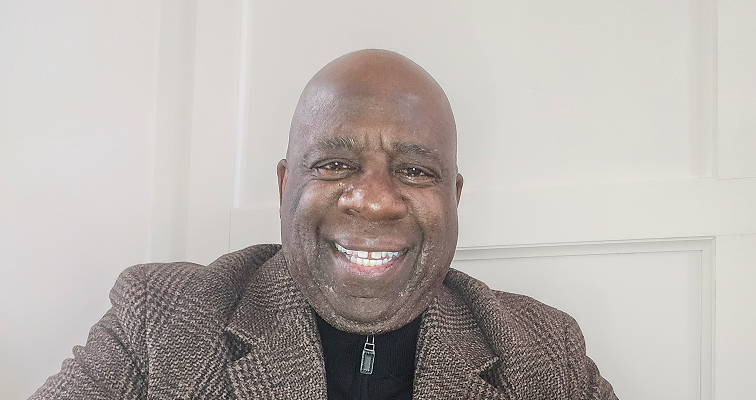
Randall F. Inniss, Esq.

Randall F. Inniss earned his B.S. in Social Science, with a minor in Criminal Justice, with honors, from Binghamton University. He later earned his J.D. from the State University of New York at Buffalo School of Law in 1997 while working full-time as a New York State Police Investigator. He also completed an LL.M. in Criminal Law from the University at Buffalo School of Law in 2003. He has been admitted to practice law in New York State for more than 25 years.

Mr. Inniss is the founder and principal attorney of The Inniss Firm, PLLC, a criminal defense practice serving clients throughout New York’s Hudson Valley region. Before entering private practice, he served for more than 22 years with the New York State Police. He has also taught criminal justice as an adjunct professor and has contributed to legal education through speaking and training programs on criminal defense, impaired driving issues, and civil rights topics.

What Happens When Police Violate Miranda Rights in a NY DWI Case?

When police question you in custody without first giving the Miranda warning, the remedy is suppression of the statements you made, not automatic dismissal of the charge. That is why a missing Miranda warning does not, by itself, show that a DWI or DUI case would be dismissed. The court does not throw out the entire case simply because the warning was skipped.

To raise a Miranda violation, your defense attorney files a motion to suppress the statements. Under New York Criminal Procedure Law § 60.45, a statement that was involuntarily made, including a statement obtained in violation of your constitutional rights, cannot be used against you at trial. The court may hold a suppression hearing to decide whether the statement can be used or not. A motion to suppress that type of statement is authorized under CPL § 710.20.

Key Takeaway: A Miranda violation in a New York DWI case leads to suppression of improperly obtained statements, not automatic dismissal. The defense raises the issue through a suppression motion under CPL § 60.45.

What Is a Huntley Hearing in a New York DWI Case?

A Huntley hearing is New York’s pre-trial hearing for deciding whether statements you made to police can be used against you. It is named after People v. Huntley, 15 N.Y.2d 72 (1965), the case that established this procedure. At the hearing, the prosecution must show that your statements were made voluntarily and, where required, after a proper Miranda warning.

If the court finds that you were in custody, that you were interrogated, and that no valid Miranda warning was given, it can suppress those statements. This is where Miranda violations are actually argued in New York courts, rather than being a basis for dismissing the case at the start.

Can Suppressed Evidence Still Get a Case Dismissed?

Yes, in some situations. If the suppressed statements were central to the prosecution’s case, removing them can leave the prosecution with too little evidence to proceed. That can lead to reduced charges or, in some cases, dismissal.

The impact depends on how much the case relied on your statements versus other evidence, such as breath test results, field sobriety tests, and officer observations. A confession or an admission that you had been drinking can be far more damaging than the prosecution’s other evidence, so suppressing it may significantly weaken the case.

Key Takeaway: Suppressing statements does not automatically end a case, but if those statements were important to the prosecution, the case may become too weak to continue, leading to a reduction or dismissal.

What Statements Can Be Used Against You in a NY DWI Arrest?

Not every statement carries the same risk. New York DWI cases involve three categories of evidence that are treated differently when it comes to Miranda. 

  • Voluntary statements: Things you say on your own, before any custodial interrogation or without being prompted, are admissible. A spontaneous comment to an officer is usually not protected by Miranda.
  • Custodial statements without Miranda: Answers given while you are in custody and being interrogated, without a proper warning, may be suppressible through a Huntley hearing.
  • Physical evidence: Breath test results, blood draws, and field sobriety test performance are physical evidence and are not affected by Miranda at all.

The statements that matter most for suppression are the ones that address whether you were drinking, where you were coming from, or how much you had to drink.

Because voluntary comments can easily hurt your case, knowing how to protect yourself during a stop is critical. Under binding Supreme Court rulings like Berghuis v. Thompkins and Salinas v. Texas, you must explicitly tell the officer that you are choosing to remain silent and that you want a lawyer. Simply staying quiet without stating your intent does not legally invoke your rights and will not stop police from questioning you. 

Key Takeaway: Voluntary statements and physical evidence usually stay in a DWI case, while custodial statements taken without a Miranda warning may be suppressed. Routine booking questions do not require a warning.

Can You Be Arrested for DWI Hours After an Incident in New York?

In some circumstances, a New York DWI arrest can happen after an incident, even if the officer did not personally see you driving. However, the police are required to approach this properly, ensuring that very little to no intervening action has occurred that would affect probable cause or proof of impairment at the time of driving. The delay between the incident and the arrest does not, by itself, make the arrest invalid.

For example, if police investigate an accident hours after it happened, they will likely question you to figure out exactly when you were drinking. Because the state’s case relies so heavily on your own timeline of events in a delayed arrest, Miranda protections become critical the moment that late-stage questioning turns into a custodial interrogation. 

Miranda timing follows the same two-part rule in a delayed arrest. The warning is only required once you are both in custody and about to be interrogated, which in a delayed arrest usually means after officers locate you and take you into custody. Statements you make before that point, including spontaneous comments at the scene of an accident, may be treated as voluntary and admissible.

Key Takeaway: New York allows DWI arrests hours after an incident depending on the facts, and post-incident drinking can complicate the investigation. Miranda still only applies once you are in custody and being interrogated.

What Are the DWI Charge Types in New York State?

New York defines its alcohol and drug-related driving offenses under Vehicle and Traffic Law § 1192. The charge you face depends largely on your blood alcohol content (BAC) and other evidence of impairment. These charges carry serious penalties, which is why preserving every available defense, including any Miranda issue, matters to the outcome.

The table below summarizes the main charge types and their thresholds, based on data from the New York Department of Motor Vehicles.

Charge Type BAC / Standard First Offense Level
DWAI / Alcohol More than .05 up to .07, or other evidence of impairment Traffic infraction
DWI (per se) .08 BAC or higher Misdemeanor
Aggravated DWI .18 BAC or higher Misdemeanor
DWAI / Drug Impairment by a single drug Misdemeanor
DWAI / Combination Combined drugs and alcohol Misdemeanor
Zero Tolerance .02 to .07 BAC, driver under 21 Civil penalty
Commercial motor vehicle DWI .04 BAC or higher Misdemeanor

A first DWI conviction can mean a fine of $500 to $1,000, up to one year in jail, and license revocation for at least six months. An Aggravated DWI carries a fine of $1,000 to $2,500, a revocation of at least one year, and a jail sentence for up to one year. Because penalties can affect your license, finances, and record, it is important to review any Miranda issue or other procedural concern.

Key Takeaway: New York DWI charges range from a traffic infraction for first-offense DWAI/Alcohol, misdemeanors for many first-offense DWI-related charges, and felonies for certain repeat or aggravated situations. The seriousness of these penalties is why every available defense matters.

Get Help from a Middletown DWI Lawyer

A missing Miranda warning does not automatically lead to dismissal, but it may affect whether certain statements can be used in a DWI case. The Inniss Firm, PLLC can review the facts and explain whether Miranda issues may apply.

Randall F. Inniss brings more than two decades of legal experience to every DWI case he handles throughout Middletown and the Hudson Valley. He understands how DWI arrests are built and where procedure breaks down, and he uses that knowledge to challenge the prosecution’s evidence. 

Miranda issues may affect whether certain statements can be used in a DWI case. To discuss a DWI charge and whether Miranda issues may be relevant, contact The Inniss Firm, PLLC at (845) 533-0265 to schedule a case review. We are located at Westside Plaza, 280 Route-211, Suite 203, Middletown, NY 10940, and serve clients in Orange County and the surrounding Hudson Valley region.

Frequently Asked Questions about Miranda Rights in DWI

Will my NY DWI case be dropped if police skipped Miranda?

Rarely. A Miranda violation usually leads to suppression of statements you made in custody, not automatic dismissal of the charge. If those statements were central to the case, suppressing them can weaken the prosecution enough to lead to a reduction or dismissal.

Does Miranda apply before I’m formally arrested in New York?

No. Roadside questioning during a traffic stop is typically treated as pre-custody, so Miranda warnings are usually not required at that point. The warning is triggered only once you are in custody and the police intend to interrogate you.

Can I refuse to answer questions during a NY DWI stop?

Yes, but you must speak up to invoke your right. Under U.S. Supreme Court rulings, simply staying quiet is not enough to legally protect you. To clearly invoke your right to remain silent, you must explicitly tell the officer that you are choosing to remain silent and that you want a lawyer.

What is a Huntley hearing and do I need one?

A Huntley hearing is a New York pre-trial hearing where the court decides whether statements you made to police can be used against you. Your attorney requests it when there is a basis to argue that statements were taken involuntarily or without a proper Miranda warning.

Does refusing a breath test protect me the same way Miranda does?

No. Refusing a chemical test triggers penalties under New York’s implied consent law, including license revocation and a civil penalty, and it is a separate legal issue from Miranda. Miranda concerns custodial questioning, not chemical testing.


via The Inniss Firm, PLLC https://www.trooper2lawyer.com/miranda-rights-and-dui-dwi-charges-in-new-york/

Thursday, June 25, 2026

Does a DWI Add Points to Your License in New York? New DMV Rules Explained

A DWI conviction now adds 11 points to your New York driving record. Before the state’s updated Department of Motor Vehicles (DMV) point rules, alcohol-related and drug-related driving offenses under Vehicle and Traffic Law § 1192 carried zero points and were tracked only as “negative units” for re-licensing. These regulations became enforceable on February 16, 2026. As a result, these offenses now carry a total of 11 points, the threshold at which a license suspension may be triggered.

If you are facing a charge, The Inniss Firm, PLLC can help you understand your exposure and your options. Middletown DWI attorney Randall F. Inniss is a former 22-year New York State Trooper and NHTSA-certified Standardized Field Sobriety Test (SFST) instructor who now defends drivers throughout the Hudson Valley.

This guide walks through how many points a DWI adds, what changed in the DMV point rules, when 11 points trigger a suspension, and the financial penalties, including the DRA and mandatory surcharges. To learn how a DWI charge may affect your license and driving record, call us at (845) 533-0265 to schedule a consultation.

How Many Points Does a DWI Add in New York?

Under the updated DMV point system, a conviction for an alcohol-related or drug-related driving incident under VTL § 1192 is assigned 11 points. This includes Driving While Intoxicated (DWI), Driving While Ability Impaired (DWAI), and other offenses stated in the statute. Previously, these convictions did not accrue points, although they were assessed as “negative units” for re-licensing purposes.

Points are calculated based on the date of the violation, not the date of the conviction. The DMV adds up the points for every violation that occurred within the last 24 months to reach your total. Because a single DWI is worth 11 points, one conviction reaches the state’s standard suspension threshold. However, an isolated first offense is typically exempt from an automatic point-based suspension hearing.

What About DWAI and Aggravated DWI: Same Points?

For DMV point purposes, every alcohol-related or drug-related driving incident under VTL § 1192 carries the same 11 points. What changes across the tiers are the criminal penalty, including fines, possible jail, and the length of the license action. The table below shows where each offense falls.

VTL § 1192 Offense Threshold or Description
DWAI/Alcohol The ability to drive is impaired by alcohol, even if the driver is not legally intoxicated. BAC evidence may be relevant but is not defined by a specific range.
DWI .08 BAC or higher
Aggravated DWI .18 BAC or higher
DWAI/Drug Single drug other than alcohol
DWAI/Combination Combined drugs and alcohol

Key Takeaway: A DWI in New York now adds 11 points to your driving record, the same as DWAI/Alcohol, Aggravated DWI, DWAI/Drug, and DWAI/Combination. The point total is the same across these offenses, but the criminal fines, jail exposure, and license actions differ by tier.

What Changed in New York’s New DMV Point Rules?

The DMV adopted a regulatory overhaul aimed at identifying and removing high-risk and repeat offenders from the road. The updated point values were first proposed in September 2023, moved through the State Administrative Procedure Act process, and the DMV has confirmed that the new point values became enforceable by February 16, 2026. A related change, which allows permanent license denial for anyone with four alcohol-related or drug-related convictions or incidents, became enforceable in January 2025.

Three headline changes affect anyone facing a DWI or serious moving violation:

  • Alcohol-related and drug-related driving convictions or incidents under VTL § 1192 now carry 11 points, up from zero.
  • Aggravated Unlicensed Operation under VTL § 511, which is driving on a suspended or revoked license, now carries 11 points, even for a first-time offense and for other “incidents of driving” during a period of suspension.
  • The points accumulation period was extended from 18 months to 24 months, so violations within a two-year window are now considered for administrative actions like suspensions or mandatory hearings.

These changes make it easier to reach the suspension threshold, particularly for drivers with prior violations within the lookback period

Which Other Violations Got New or Higher Points?

Several common infractions now carry increased or newly raised point values. These updates are particularly relevant for drivers traveling through high-traffic areas of the Hudson Valley.

Violation Statute Old Points New Points
Passing a stopped school bus VTL § 1174 5 8
Leaving the scene of a personal injury crash VTL § 600 3 5
Speeding in a work zone VTL § 1180 Based on speed 8
Failure to exercise due care VTL § 1146 2 5
Over-height vehicle/bridge strike VTL § 385(2) / § 385(14) 0 8
Facilitating Aggravated Unlicensed Operation VTL § 511-a 0 5
Speed contests and races VTL § 1182 0 5

Key Takeaway: The updated DMV rules raise points across the board: alcohol/drug offenses and Aggravated Unlicensed Operation now carry 11 points, the lookback period grew from 18 to 24 months, and several moving violations carry higher values. These changes make it far easier to reach the suspension threshold.

When Does 11 Points Trigger a Suspension in New York?

The DMV may suspend your driver’s license once you accumulate 11 points within 24 months, and if a DWI arrest puts your driving privileges at risk before the case is resolved, hardship driving privileges at arraignment may become an urgent issue.

There is an important nuance: points stemming from a single alcohol-related or drug-related incident are excluded from triggering an automatic persistent-violator hearing if you have no other violations. However, those same points still count toward your total record and affect your insurance, including the coverage and premium issues that can follow a first-time DUI/DWI charge. A DMV-approved Point and Insurance Reduction Program course can subtract 4 points for suspension-calculation purposes if you have 11 or more points, though the tickets and points do not physically come off your record.

What Happens Between 4 and 10 Points?

The escalation ladder starts well before you hit 11 points. Under the updated regulations, two earlier triggers apply within the 24-month lookback window:

  • At 4 to 6 points: The DMV will send an advisory letter warning you about the status of your driving record.
  • At 7 to 10 points: You must attend a DMV-approved Driver Improvement Clinic. Failure to comply can result in license suspension.

(Note: Separately, if you accumulate 6 or more points within an 18-month period, you must pay a state-mandated Driver Responsibility Assessment fee.)

Key Takeaway: Eleven points within 24 months can trigger a New York driver’s license suspension hearing, and a single DWI hits that number on its own. Lower totals still carry consequences, including warning letters at 4 points, a Driver Responsibility Assessment at 6 points, and a mandatory Driver Improvement Clinic at 7 to 10 points.

Middletown DWI Attorney – The Inniss Firm, PLLC

Randall F. Inniss, Esq.

Randall F. Inniss earned his B.S. in Social Science, with a minor in Criminal Justice, from Binghamton University, graduating with honors in 1992. He went on to earn his Juris Doctor from the State University of New York at Buffalo School of Law in 1997 and later completed an LL.M. in Criminal Law from the same institution in 2003. 

Mr. Inniss has a professional background that includes more than two decades with the New York State Police, where he served as a Trooper, Investigator, and Senior Investigator, handling criminal investigations in several regions of the state. In 2015, he founded The Inniss Firm, PLLC, a criminal defense practice serving clients in the Hudson Valley region. He has also contributed to legal and professional education through teaching criminal justice at Genesee Community College.

What Is the New York Driver Responsibility Assessment for a DWI?

The Driver Responsibility Assessment is a state-mandated financial penalty for drivers accumulating 6 or more points within 18 months. The existing $100 per year for 3 years remains in place for 6 points, and each additional point adds $25 per year.

Because a DWI now generates 11 points, a single conviction can trigger two separate assessments at once. A DWI conviction triggers a $750 alcohol/drug-related Driver Responsibility Assessment. The DMV also imposes a points-based DRA when a driver receives 6 or more points within 18 months.

Basis for DRA Annual amount due Total over 3 years Notes
Alcohol-driving or drug-driving related offense $250/year $750 The minimum due each year is the annual assessment.
Refusal to take a chemical test $250/year $750 Same as alcohol/drug-driving offense.
6 points within 18 months $100/year $300 The minimum due each year is the annual assessment.
Each point over 6 within 18 months +$25/year per extra point +$75 per extra point Added on top of the 6-point assessment.

Are There Mandatory Surcharges on Top of the DRA?

Yes. A mandatory surcharge, crime victim assistance fee, additional surcharge, and an alcohol fee are added on top of the DRA and any fine. These add $395 for alcohol-related misdemeanors and $520 for felonies, with an extra $5 if the conviction occurs in a town or village court. These amounts are separate from the DRA and from any criminal fine the court imposes.

Key Takeaway: A New York DWI conviction can create more than one financial consequence. Because a DWI now carries 11 points, a driver may face both the $750 alcohol-related or drug-related Driver Responsibility Assessment and a separate points-based assessment, in addition to mandatory surcharges, court fees, and any criminal fine. 

How Does New York’s Expanded 24-Month Lookback Period Affect You?

The DMV extended the points accumulation period from 18 months to 24 months. This means violations occurring within a two-year window are now subjected to administrative actions such as suspensions or mandatory hearings.

The 24-month lookback window directly changes how prior traffic tickets impact a new DWI charge. For drivers in Hudson Valley communities like Middletown, Newburgh, or Poughkeepsie, these expanded lookback rules can significantly influence the outcome of a DWI in Poughkeepsie, especially when prior moving violations remain active. 

A minor moving violation, such as speeding or using a cell phone, that used to drop off your active record after 18 months now stays active for a full two years. Because a single DWI conviction carries 11 points on its own, having even one older ticket still active on your record will instantly push your total past the suspension threshold, triggering immediate administrative actions and additional DMV penalties that would have been avoided under the old timeline.

Key Takeaway: The lookback period for active points grew from 18 to 24 months, so older stops stay relevant longer. Prior tickets from anywhere in New York can now compound with a new DWI to reach the 11-point suspension threshold.

Can a DWI in New York Lead to Permanent License Revocation?

Yes, in certain circumstances. Negative units are now assessed over a 4-year lookback period, up from the previous 3 years, and drivers with 25 or more negative units face automatic re-licensure denials. Two additional revocation rules apply:

  • Lifetime license revocation now applies to drivers with four alcohol-related or drug-related driving incidents, down from the previous threshold of five. This permanent-denial rule became enforceable in January 2025.
  • Three incidents plus one serious driving offense, such as vehicular manslaughter or reckless driving, will also result in permanent revocation.

Young drivers no longer get a pass. A defendant convicted of an alcohol-related or drug-related offense under VTL § 1192 can no longer avoid these consequences simply because they qualify for Youthful Offender status. Youthful Offender adjudications, which once protected those under 19 from a criminal record on certain charges, now carry the same weight as adult convictions for DMV purposes, including the new point assessments and re-licensing implications.

Key Takeaway: Four alcohol-related or drug-related incidents can now trigger a lifetime license revocation, down from five, and the negative-unit lookback runs four years. Youthful Offender status no longer shields a young driver from these DMV consequences.

Speak with a Middletown DWI Attorney Today

If you have been arrested for DWI, DWAI, or another traffic violation, the updated DMV rules mean stiffer point totals, a longer lookback period, and higher costs. Acting early helps you understand license, financial, and court-related consequences before points are assessed.

New York DWI Attorney Randall F. Inniss brings more than 22 years of New York State Police investigative experience and over 25 years as an admitted attorney to every DWI and traffic case. As a former Trooper and NHTSA-certified SFST instructor, he knows how officers build these cases and how to challenge field sobriety and chemical test results, pursue defenses, plea options, or DMV hearing strategies that may affect the outcome of the case.

Our office is located at 280 NY-211, Ste 203, Middletown, NY 10940, serving Middletown, Newburgh, Poughkeepsie, Kingston, White Plains, and the broader Hudson Valley. Call us at (845) 533-0265 to schedule a consultation and to learn how this rare law-enforcement and legal background can work for your defense.

Frequently Asked Questions

How many points is a DWI in New York?

A DWI conviction adds 11 points to your driving record under the updated DMV point rules. Before these changes, alcohol-related convictions carried zero points and were tracked only as negative units.

Did DWI always carry points in New York?

No. Before the updated regulations, a DWI conviction carried zero points. Previously, alcohol- and drug-related offenses were assessed as “negative units” for re-licensing.

Will 11 DWI points automatically suspend my New York license?

Eleven points within 24 months meet the standard suspension threshold. While a single DWI conviction hits that number, points from a single isolated alcohol or drug conviction are generally exempt from triggering a point-system suspension hearing on their own. However, the court will still issue a mandatory criminal license suspension or revocation based on the offense itself.

How long do DWI points stay on my New York record?

Points count toward your total for 24 months from the violation date, then stop counting toward suspension calculations. The conviction itself stays on your lifetime record and can still be used by insurers and for re-licensing decisions.

What is the Driver Responsibility Assessment for a DWI in New York?

A DWI can trigger up to $1,425 over three years when both the alcohol-related DRA under VTL § 1199 ($750) and the points-based DRA ($675) apply. This is in addition to court fines and mandatory surcharges.

Does a DWAI carry the same points as a DWI in New York?

For DMV point purposes, yes. DWAI/Alcohol, DWI, Aggravated DWI, DWAI/Drug, and DWAI/Combination all carry 11 points. The difference is that DWAI/Alcohol is a lower-tier traffic infraction with smaller fines and a shorter suspension, while DWI is a misdemeanor.

Can a lawyer reduce or eliminate DWI points in New York?

Yes. Plea negotiations, procedural and evidentiary challenges to the stop and testing, and DMV hearing representation may reduce or eliminate the points and the assessments tied to them. The possibility of mitigating the impact of the points depends on the specific circumstances of the case.

Does New York’s Zero Tolerance Law carry 11 points for drivers under 21?

The Zero Tolerance Law applies to drivers under 21 who drive with a BAC of .02% to .07% and is handled as a civil administrative sanction, not a criminal conviction. It carries its own penalty structure, including a $125 civil penalty and a $100 fee with a six-month suspension, rather than the standard 11-point assessment.


via The Inniss Firm, PLLC https://www.trooper2lawyer.com/2024-ny-dmv-rule-changes-dwi-traffic-violations/

Wednesday, June 24, 2026

Caught Shoplifting at Walmart in New York? What to Do Next

If Walmart loss prevention stopped you for suspected shoplifting in New York, the situation can quickly move from a store-level stop to police involvement, an appearance ticket or arrest, a store ban, and a separate civil demand letter. Do not sign a written statement or try to explain what happened before speaking with an attorney. Statements made to Walmart security or police may later become part of the case.

At The Inniss Firm, PLLC, Middletown criminal defense attorney Randall F. Inniss represents people accused of shoplifting and larceny throughout the Hudson Valley. As a former New York State Trooper with more than two decades of investigative experience, Attorney Inniss understands how Walmart loss prevention stops, police reports, and larceny arrests are built. He can review what happened and help you understand options that may protect your record, job, license, and future.

This guide explains what can happen after a Walmart shoplifting stop in New York, including police involvement, larceny charges, civil demand letters, professional license concerns, and defense options that may help protect your record. Call The Inniss Firm, PLLC at (845) 533-0265 to discuss your case.

What Happens After Walmart Loss Prevention Detains You?

Many Walmart shoplifting cases begin when a loss prevention employee approaches a customer after the last point of sale and asks them to go to a back office or security area. Store personnel may ask questions, review merchandise, or wait for police to arrive.

Loss prevention questioning can feel pressured, especially if store personnel claim they have video or suggest that signing something will help. Stay calm, decline to sign a statement, and ask to speak with an attorney.

If police become involved, they may issue an appearance ticket or make an arrest, depending on the facts. The case may then proceed in a town or city court in Orange County or elsewhere in the Hudson Valley for arraignment or another required appearance.

Do Walmart Loss Prevention Officers Have to Read You Your Rights?

Walmart loss prevention employees are private store personnel, not police officers. Because Miranda warnings generally apply to custodial questioning by law enforcement, store employees usually do not have to read those warnings before asking questions. 

That distinction does not make the conversation risk-free. Attorney Inniss can review whether store questioning, later police involvement, or any written statement creates a defense issue.

What Are the Criminal Charges for Shoplifting in New York?

In New York, most shoplifting cases are prosecuted under the Penal Law Article 155 larceny statutes. Depending on the value of the goods, the charge can range from a misdemeanor to a felony. If police arrest you for a Penal Law misdemeanor or felony, fingerprinting is generally required, and a photograph may also be taken. 

In ordinary cases, the value assigned to the merchandise often determines whether the charge is misdemeanor petit larceny or felony grand larceny. The table below summarizes common charge levels and what a defense review may examine.

Charge Value of Goods Offense Level Maximum Sentence What a Defense Review May Examine
Petit larceny (PL 155.25) $1,000 or less Class A misdemeanor Up to 364 days in jail Whether the evidence shows intent, whether items were paid for, and whether receipts or self-checkout records affect the accusation
Grand larceny, 4th degree (PL 155.30) More than $1,000 up to $3,000 Class E felony Up to 4 years in prison Whether the value calculation is supported and whether any disputed items should be excluded from the total
Grand larceny, 3rd degree (PL 155.35) More than $3,000 up to $50,000 Class D felony Up to 7 years in prison Whether the alleged value crosses the higher felony threshold and whether the evidence supports the charge level

Key Takeaway: The amount assigned to the goods can affect whether the case is charged as misdemeanor petit larceny or felony grand larceny. Because value can change the charge level, the merchandise total should be reviewed carefully.

If you are facing a petit larceny or grand larceny charge in the Hudson Valley, Randall F. Inniss can examine how Walmart valued the goods and whether the charge fits the facts. Call (845) 533-0265.

Can Walmart Send a Civil Demand Letter in New York?

After a Walmart shoplifting stop, you may receive a civil demand letter in addition to any criminal case. In some criminal cases, restitution may also become part of the outcome.

New York’s General Obligations Law § 11-105 allows a retailer to seek the retail price of merchandise that was not recovered in merchantable condition, up to $1,500, plus a civil penalty. That penalty can be the greater of five times the retail price or $75, but it cannot exceed $500. A civil demand letter is a civil money demand, not a criminal fine, and paying it does not dismiss the criminal charge.

Do not assume that offering to pay for the items after a stop will end the matter. Walmart may still involve police, and a criminal case may continue even if the civil demand is handled. Before responding to any demand letter, Attorney Randall F. Inniss can review it alongside the criminal case and help protect your position. 

Key Takeaway: A Walmart civil demand letter is separate from the criminal case. Paying a civil demand does not automatically dismiss a shoplifting charge, so the letter should be reviewed alongside the criminal case before responding.

How Does a Walmart Arrest Affect Your Reputation?

A shoplifting allegation can create reputation and employment concerns, especially if arrest information appears in court records, police blotters, local reporting, or background checks.

There are practical consequences at the store level, too. After a shoplifting stop, Walmart may issue a notice banning you from its property, and returning afterward can create a possible trespass issue. 

A defense review can focus on reducing the risk of a conviction, addressing concerns about a Walmart store ban, and pursuing options that may limit long-term damage.

Criminal Defense Attorney in Middletown, The Inniss Firm, PLLC

Randall F. Inniss, Esq.

Randall F. Inniss is the founder and principal attorney of The Inniss Firm, PLLC, serving clients in Middletown and throughout New York’s Hudson Valley. Before becoming a defense attorney, Attorney Inniss served with the New York State Police for more than two decades as a State Trooper, Investigator, and Senior Investigator. 

Attorney Inniss earned his J.D. and LL.M. from the University at Buffalo School of Law and his B.S., with honors, from Binghamton University. He has been admitted to practice in New York for more than 25 years and maintains professional memberships with organizations that include the New York State Bar Association, the New York State Association of Criminal Defense Lawyers, and the National College of DUI Defense.

Does a Shoplifting Charge Put Your License at Risk in New York?

If you hold a state professional license, certification, or public safety position, the consequences of a shoplifting conviction can be especially serious. A theft-related conviction may raise licensing, certification, discipline, or moral character concerns, depending on the profession, agency, facts, and final case result.

  • Physicians, physician assistants, and specialist assistants: A theft-related conviction may raise professional misconduct or disciplinary concerns reviewed through New York’s medical conduct process.
  • Nurses, social workers, and many other licensed professionals: The New York State Education Department’s Office of the Professions may review criminal convictions and professional misconduct issues. For nurses, NYSED reviews prior convictions case by case rather than treating every conviction as an automatic bar.
  • Teachers: A conviction can raise moral character concerns reviewed through New York’s educator discipline process, which may affect certification or school employment.
  • Corrections and peace officers: A theft conviction can raise integrity concerns that may affect employment, certification, or disciplinary review.

How Can a Former NY Trooper Help Defend a Walmart Shoplifting Case?

As a criminal defense attorney and former New York State Police investigator, Attorney Randall F. Inniss reviews how a Walmart shoplifting case was investigated, documented, and charged. His law enforcement background helps him identify gaps between the store accusation, the police paperwork, and the evidence needed to prove intent.

Common defense issues may include:

  • Challenging the basis for the stop or detention: Did Walmart’s loss prevention team have reasonable grounds to believe larceny was being committed or attempted, and was any detention handled in a reasonable manner for a reasonable time?
  • Reviewing the evidence: Is the surveillance footage clear and complete? Does it show what happened before, during, and after checkout, or are there gaps in the store’s version of events?
  • Questioning statements and paperwork: Did store personnel ask you to sign a written statement? Does that statement match the video, receipts, merchandise value, and police paperwork?
  • Challenging the value of the merchandise: Did Walmart use the correct value, and does the alleged amount support petit larceny or grand larceny?
  • Raising lack of intent or mitigating facts: Did you accidentally leave without paying, misunderstand self-checkout, or face facts that make the case less clear than the police report suggests?

Key Takeaway: A Walmart shoplifting defense should examine whether the evidence proves intent and whether the stop, written statement, surveillance footage, and police paperwork support the accusation. Weaknesses in those areas may support a dismissal, charge reduction, or another favorable resolution.

Are There Options That Can Help Protect Your Record?

For a first-time offender, an attorney may be able to explore alternative resolutions such as community service, a theft-related program, or another non-jail outcome. These options depend on the court, prosecutor, facts of the case, and the person’s record.

For a misdemeanor case, depending on the facts, a judge may grant an adjournment in contemplation of dismissal under Criminal Procedure Law § 170.55. If the case is not restored within the required period, the charge is dismissed. Where a conviction already exists, relief may later be available by application under CPL § 160.59 or, for eligible convictions, through automatic sealing under the Clean Slate Act (CPL § 160.57) once the required waiting periods and conditions are met and the automatic sealing process is fully implemented.

Speak With a Middletown Criminal Defense Attorney After a Walmart Stop

Being stopped for shoplifting at Walmart can affect your record, job, professional license, and reputation. A prompt review can help you understand the charge, the evidence, and any options that may help reduce the long-term impact of the case. 

Attorney Randall F. Inniss can review the stop, store paperwork, surveillance issues, police reports, merchandise value, and any civil demand letter involved. As a former New York State Trooper, he understands how cases are built and where important defense issues may appear. 

Call The Inniss Firm, PLLC at (845) 533-0265 to schedule a complimentary consultation. Our office is located at Westside Plaza, 280 Route 211, Suite 203, Middletown, NY 10940. We serve clients throughout Orange, Rockland, Dutchess, Ulster, Putnam, Sullivan, and Westchester counties and are available 24/7.

Frequently Asked Questions

Will I go to jail for shoplifting at Walmart in New York?

Jail is possible, but it is not automatic. Petit larceny is a Class A misdemeanor that can carry up to 364 days in jail. However, some first-offense cases may be resolved through an ACD, community service, a theft-related program if available, or another non-jail outcome. The result depends on the value of the goods, your record, the evidence, the prosecutor, and the court.

What is a civil demand letter from Walmart, and do I have to pay it?

A civil demand letter is separate from the criminal case. Walmart may seek payment under New York General Obligations Law § 11-105 for certain merchandise losses plus a civil penalty. Paying the demand does not dismiss a shoplifting charge, so it is best to have an attorney review the letter before you respond.

Can a Walmart shoplifting charge be sealed in New York?

It depends on how the case ends. A dismissal or adjournment in contemplation of dismissal may lead to sealing. If there is a conviction, sealing by application under CPL § 160.59 may be available later. Eligible convictions may also qualify for automatic sealing under the Clean Slate Act once the statutory waiting periods and eligibility conditions are satisfied and the automatic sealing process applies.

What should I do, and not do, when stopped by Walmart loss prevention?

Stay calm. Do not run, argue, use force, sign a statement, or admit anything. Politely state that you want to speak with an attorney. A lawyer can review the stop, written statement, store paperwork, surveillance issues, and any civil demand before you respond further.

How does a shoplifting conviction affect a nursing or teaching license in New York?

A theft conviction may trigger licensing, certification, discipline, or employment review. Nurses and many other licensed professionals may face review through NYSED’s Office of the Professions. Teachers may face certification or moral character concerns. The risk depends on the profession, facts, agency, and final case result.

What is the difference between petit larceny and grand larceny?

In ordinary Walmart cases based on merchandise value, the difference is usually the value of the goods. Petit larceny generally applies when the alleged value is $1,000 or less. Grand larceny may apply when the value is more than $1,000, making the case a felony.

Can a first-time offender avoid a criminal record after a Walmart arrest?

Some people with no prior record may have options that help avoid a lasting conviction. These may include an adjournment in contemplation of dismissal, community service, a theft-related program if available, or another negotiated resolution. Availability depends on the facts, the person’s record, the prosecutor, and the court.

How soon after a Walmart arrest should I contact an attorney?

Contact an attorney as soon as possible, ideally before signing any statement, responding to a civil demand letter, or appearing in court. Early legal help can help identify available evidence, request preservation when appropriate, address Walmart paperwork, and explore options that may help protect your record before key case decisions are made. The Inniss Firm, PLLC is available 24/7 at (845) 533-0265.


via The Inniss Firm, PLLC https://www.trooper2lawyer.com/caught-shoplifting-at-walmart-protect-your-future/

Tuesday, June 23, 2026

Caught Shoplifting at Target in New York? Here’s What to Expect

Shoplifting at stores like Target is a criminal offense under New York’s larceny statutes, not a minor mistake that goes away once you leave the parking lot. Depending on the value of the merchandise, you can be charged with petit larceny or grand larceny, detained by Target’s loss prevention team, given a Desk Appearance Ticket, taken to jail, and later contacted by a civil demand letter seeking payment. 

Middletown criminal defense attorney Randall F. Inniss spent 22 years as a New York State Trooper before becoming a criminal defense lawyer. As the founder of The Inniss Firm, PLLC, he uses his law enforcement background to help people facing shoplifting, larceny, and other criminal charges throughout the Hudson Valley.

This guide explains the charges you can face, what Target’s loss prevention team can legally do, your rights during a stop, what happens after an arrest, how a conviction can affect your life, and the defenses available to you.

If you were arrested or accused of shoplifting at Target, speaking with an experienced criminal defense attorney as early as possible can help you understand your options and protect your rights. Call The Inniss Firm, PLLC at (845) 533-0265 to schedule a confidential consultation and discuss your case.

What Shoplifting Charges Can You Face at a New York Target?

Shoplifting is often perceived as a minor crime. However, the legal system treats it as a serious offense. In New York, shoplifting is categorized under the Penal Law larceny statutes, and the penalties depend on the value of the stolen goods. For most Target stores, the charge is petit larceny, but the value and type of property involved can push the case into felony territory.

A conviction at any level creates a criminal record, which is why even a low-value Target shoplifting charge is worth taking seriously. The store may pursue these cases through local law enforcement.

How Does the Value of the Merchandise Affect Your Charge?

The value of the items is usually the main factor in whether a shoplifting case is charged as a misdemeanor or a felony. Under New York state law, prosecutors can combine (aggregate) the total value of retail goods stolen from different stores if they were taken under a common scheme or plan. Petit larceny is a Class A misdemeanor and generally applies when the alleged theft does not meet one of New York’s grand larceny categories, such as value over $1,000 or certain special property rules.

Charge Value of Goods Offense Level Maximum Sentence
Petit larceny $1,000 or less Class A misdemeanor Up to 364 days in jail
Grand larceny, 4th degree More than $1,000 Class E felony Up to 4 years in prison
Grand larceny, 3rd degree More than $3,000 Class D felony Up to 7 years in prison
Grand larceny, 2nd degree More than $50,000 Class C felony Up to 15 years in prison
Grand larceny, 1st degree More than $1,000,000 Class B felony Up to 25 years in prison

Key Takeaway: The charge level is set by the value of the merchandise, with $1,000 marking the line between a misdemeanor and a felony. Even a petit larceny conviction can carry consequences beyond the courtroom.

What Does Target’s Loss Prevention Team Actually Do?

Large retailers such as Target commonly use a combination of technology, store policies, and trained personnel to prevent and investigate suspected theft. These methods include:

  • Surveillance cameras: Many areas of the store may be monitored, which can create video evidence in a shoplifting investigation.
  • Loss prevention or asset protection employees: These employees may be plainclothes or uniformed and may monitor suspected theft in person, through cameras, or through store systems.
  • Electronic Article Surveillance (EAS) tags: Many items carry security tags that trigger alarms if removed from the store without being properly deactivated.
  • Self-checkout monitoring: Additional cameras and trained personnel watch self-checkout registers for unscanned items.

Loss prevention employees typically document the stop and turn their findings over to police as the basis for the charge.

Can Target’s Loss Prevention Employees Legally Detain You in New York?

Yes. New York recognizes the shopkeeper’s privilege under General Business Law § 218, which allows a store to detain a person it reasonably suspects of shoplifting. If a Target employee or agent has reasonable grounds to believe you committed or attempted larceny on the premises, New York law may give the store a defense to certain civil claims if the detention is reasonable in manner and time.

What Should You Do (and Not Do) When Detained at Target?

How you handle a detention at Target can shape the rest of your case. Loss prevention agents are trained to obtain admissions before police arrive, and they may tell you that confessing will keep the police away or that there is video showing you concealing items. These statements may or may not be true.

The safest steps when detained are straightforward:

  • Stay calm and do not resist physically, but do not answer questions about whether you took anything.
  • Do not sign a written confession, no matter what you are told.
  • Do not sign a civil demand agreement or a no-return ban without first speaking to a lawyer.
  • Do not assume that paying for the merchandise ends the matter.
  • Politely state that you want to remain silent and speak with an attorney.

Target may ask you to sign or acknowledge a no-return notice for a stated period. If you later enter Target’s property after signing or being told you are banned, the store may call police, and you could face a trespass allegation.

Why Don’t Miranda Rights Apply During a Target LP Stop?

Loss prevention officers are usually privately hired, and not government employees, unless they are acting at the direction or control of law enforcement. As such, they have no legal obligation to read you your Miranda warnings during the course of their investigation or during the period in which you are detained and questioned.

That does not make what you say harmless. Statements you make to loss prevention can be repeated to police and used against you once officers arrive, which is why remaining silent during the stop is so important.

What Happens After a Target Shoplifting Arrest in New York?

Once Target decides to call the police, officers generally arrive, take a statement from loss prevention, and charge you with either petit larceny or grand larceny. From there, one of two things usually happens: you are taken into custody, or you are released with a Desk Appearance Ticket (DAT) directing you to appear in court on a later date.

For lower-level arrests such as petit larceny and some Class E felony cases, New York law generally favors appearance tickets unless a statutory exception applies. Higher-level felony allegations, such as Class D or Class C grand larceny, are treated differently and may involve custody and arraignment.

What Is a Civil Demand Letter from Target?

Target may send a civil demand letter seeking money separate from the criminal case. Under New York General Obligations Law § 11-105, a retailer may seek the retail price of merchandise not recovered in merchantable condition, up to $1,500, plus a penalty of the greater of five times the retail price or $75, capped at $500. This letter comes from the retailer or a collection firm, not from the criminal court, and paying it does not resolve or dismiss the criminal charge.

Because the civil demand and the criminal case are handled differently, you should not respond to a demand letter or send payment before speaking with a lawyer. What you write back could affect your criminal defense.

Key Takeaway: A Target arrest can lead to a Desk Appearance Ticket or custody and arraignment, plus a separate civil demand letter for money.

Criminal Defense Attorney in Middletown, NY – The Inniss Firm, PLLC

Randall F. Inniss, Esq.

Randall F. Inniss is the founder of The Inniss Firm, PLLC, a criminal defense practice serving clients throughout New York’s Hudson Valley. A former New York State Trooper with more than 22 years of investigative experience, he brings a unique perspective to criminal cases by understanding both how law enforcement builds a case and how the defense can challenge it. He has been admitted to practice law in New York for more than 25 years and earned both his J.D. and LL.M. in Criminal Law from the University at Buffalo School of Law.

Randall is a former Certified Breathalyzer Operator who participated in more than 100 DWI arrests during his law enforcement career. He is also a member of the National College for DUI Defense and a Fellow of the American Association of Premier DUI Attorneys. Drawing on decades of experience in criminal investigations, courtroom advocacy, and legal education, he represents clients facing misdemeanor and felony charges throughout the Hudson Valley.

How Can a Shoplifting Charge Affect Your Life in New York?

A shoplifting arrest can have effects that reach far beyond the courtroom. In some cases, arrest information may appear in police blotters, online records, or other public-facing sources. Even a misdemeanor conviction can follow you for years. A criminal record can:

  • Damage your reputation, limiting employment prospects, particularly for jobs that require background checks.
  • Make it harder to rent a home, secure loans, or obtain professional licenses.
  • Be used against you if you face any future legal proceedings.
  • Add financial stress through fines, civil penalties, and lost opportunities.

Can a Shoplifting Conviction Affect Your Professional License?

Yes. Licensed professionals such as nurses, teachers, real estate agents, and others may face licensing consequences after a theft-related conviction. Reporting duties and board review vary by profession, so a licensed professional should check the rules that apply to their specific license.

This is a consequence many people do not anticipate when they think of shoplifting as a small matter. A disclosure obligation may be triggered even by a first-offense misdemeanor, depending on the profession and licensing board rules.

Key Takeaway: Beyond fines and jail exposure, a shoplifting conviction can damage your reputation and employment prospects, and even a first-offense misdemeanor can trigger mandatory disclosure to a professional licensing board.

What Defenses May Apply to a New York Target Shoplifting Charge?

As a criminal defense attorney, Randall F. Inniss investigates every aspect of a case, looking for opportunities to reduce or dismiss the charges. He understands how the evidence is gathered and how it can be challenged. Common defenses include:

  • Challenging probable cause: Did the loss prevention team have a legitimate reason to suspect you of shoplifting?
  • Questioning the evidence: Is the surveillance footage clear? Did security personnel follow the correct protocols?
  • Lack of intent to deprive or appropriate property: New York larceny requires proof that you intended to deprive the owner of property or appropriate it to yourself or someone else.
  • Intent and mitigation issues: Did you accidentally leave with unpaid items because of the store layout, a self-checkout mistake, distraction, or another circumstance that affects intent or supports a better negotiated outcome? 

Where mistakes were made during the stop, the detention, or the collection of evidence, those issues can also be brought to bear.

Can First-Time Offenders Avoid a Conviction in New York?

Often, yes. For a first arrest, prosecutors may be willing to negotiate a resolution that avoids a conviction, particularly when your background is otherwise clean. One common tool is an Adjournment in Contemplation of Dismissal under Criminal Procedure Law § 170.55. With the required consent, the court may adjourn the case with a view toward dismissal; if the case is not restored within the statutory period, usually six months for a standard misdemeanor ACD, the accusatory instrument is deemed dismissed.

Theft diversion or education programs may be another path, depending on the court, prosecutor’s office, facts of the case, and the person’s record. These programs let eligible first-time offenders complete coursework on decision-making and the consequences of theft, intending to resolve the case without the lasting stigma of a criminal record.

Key Takeaway: A first-time arrest does not automatically mean a conviction. Options such as an Adjournment in Contemplation of Dismissal and diversion programs may allow eligible first-time offenders to resolve a case without a permanent record.

Facing Shoplifting Charges in New York? 

Randall F. Inniss brings more than 25 years of experience to the defense of people facing shoplifting and theft charges throughout the Hudson Valley. His background investigating theft-related offenses gives him a unique understanding of how these cases are built and where weaknesses in the evidence may exist. 

Whether you are facing a misdemeanor petit larceny charge or a felony grand larceny allegation, having an experienced criminal defense attorney on your side can make a significant difference in how your case is handled.

To schedule a complimentary defense strategy session, call The Inniss Firm, PLLC at (845) 533-0265. Our office is located at 280 NY-211 Suite 203, Middletown, NY 10940, and serves clients across the Hudson Valley.

Frequently Asked Questions About Shoplifting Charges in New York

What is the difference between petit larceny and grand larceny in New York?

Petit larceny is a Class A misdemeanor and generally applies when the alleged theft does not qualify as grand larceny. Grand larceny generally begins when the value exceeds $1,000, although certain types of property may be treated differently under New York law.

Will I go to jail for shoplifting at Target in New York?

It depends on the value of the goods, your record, and the resolution of your case. Petit larceny carries a maximum of 364 days in jail, but many first-time cases are resolved without incarceration through negotiated dispositions or diversion programs.

Can Target press charges even if I return the merchandise?

Yes. Returning the items or offering to pay does not automatically undo the alleged offense. Target may report the incident and provide evidence, but police and prosecutors decide whether criminal charges move forward.

Do I have to answer Target security’s questions when detained?

No. Loss prevention officers are private employees and are not required to read you Miranda warnings, but you are also not required to answer their questions. Anything you say can be passed to police, so it is generally wise to remain silent and ask for a lawyer.

What is a Desk Appearance Ticket (DAT) for shoplifting?

A Desk Appearance Ticket is a written notice releasing you after arrest with a date to appear in court, rather than holding you in custody. Police are more likely to issue one when the charge is not excluded from appearance-ticket eligibility, your identity and contact information are verifiable, and no statutory exception applies, such as certain warrants or recent failures to appear.

Can shoplifting charges be sealed in New York?

If the case is dismissed, including after an Adjournment in Contemplation of Dismissal, the record is generally sealed after the case terminates in the accused person’s favor, unless an exception applies. If there is a conviction, sealing is a separate issue; eligible misdemeanor convictions may qualify for Clean Slate sealing after three years, and eligible felony convictions after eight years, once statutory conditions are met.

How long does a Target shoplifting case take to resolve in New York?

Timelines vary by court and by how the case is handled. Some matters resolve in a few court appearances, while others take longer if charges are contested or diversion is pursued, so an attorney can give you a realistic estimate after reviewing your case.


via The Inniss Firm, PLLC https://www.trooper2lawyer.com/caught-shoplifting-at-target-consequences-defense/

Monday, June 1, 2026

What Questions Should You Ask Before Hiring a Criminal Defense Lawyer?

Whether you are facing a DWI charge, a criminal accusation, or a serious traffic matter, having an attorney by your side can affect how your case is handled. Not every criminal defense lawyer will be the right fit for your situation, and hiring the wrong one in New York can affect your record, your license, or your freedom. Before you sign a retainer agreement, there are seven questions every defendant should ask to evaluate an attorney’s experience, fee structure, communication style, and ability to handle your specific charge.

At The Inniss Firm, PLLC, attorney Randall F. Inniss represents clients facing DWI charges, criminal accusations, and serious traffic matters in Suffern, NY, and throughout the Hudson Valley region. As a criminal defense attorney, he helps clients understand their legal options and prepare for the next steps in their case.

This guide explains seven questions to ask before hiring a criminal defense lawyer, including questions about experience, case strategy, communication, fees, and who will personally handle your case. You will also find practical tips for researching an attorney before your first meeting. Call The Inniss Firm at (845) 533-0265 today.

Does the Attorney Offer a Free Case Consultation?

The first question to ask any criminal defense lawyer is whether they offer a free initial consultation. A no-cost case evaluation gives you the opportunity to describe your charges, hear the attorney’s initial assessment, and decide whether the attorney gives you enough information to evaluate your options before signing a retainer agreement.

During a free consultation, you should expect the attorney to ask about the charges filed against you, the circumstances of your arrest, and whether you have a prior criminal record. A thorough consultation is not a five-minute phone call. It is an opportunity for the attorney to gather enough information to give you an honest initial evaluation of your case and a more informed estimate of fees.

If an attorney does not offer a no-cost initial meeting, ask what the consultation costs, what it includes, and whether that fee will be credited toward representation if you hire the firm.

What to Bring to Your First Attorney Meeting

To make the consultation more useful, come prepared with as much information as possible. The right documents and details help the attorney identify the charges, timeline, potential witnesses, and issues that may affect your defense. 

Gather the following before your meeting:

  • A copy of your arrest paperwork, including the accusatory instrument or complaint
  • Any documents you received from the court, such as a desk appearance ticket or summons
  • A written timeline of the events leading to your arrest
  • Names and contact information for potential witnesses
  • Information about your prior criminal record, if any
  • Your employment history and any professional licenses that may be at risk

The more detail you provide, the better an attorney can assess your options and identify potential defenses during that first conversation.

Key Takeaway: A free consultation lets you evaluate the attorney’s knowledge and approach before signing a retainer. Bring your arrest paperwork, court documents, and a timeline of events so the attorney can give more useful initial feedback.

Does This Attorney Focus Primarily on Criminal Defense?

Ask the attorney how many cases like yours the lawyer has handled and what percentage of their practice is devoted to criminal defense. You want to know whether the attorney regularly handles criminal cases or only takes them occasionally as part of a broader general practice.

A general practice lawyer handles a variety of legal matters, from real estate closings to divorce to contract disputes. Some general practitioners may be qualified to handle criminal cases, but you should ask how often they appear in criminal court and how familiar they are with your type of charge.

Under the New York Rules of Professional Conduct, Rule 1.1 (22 NYCRR Part 1200) sets the standard for competent representation, including the legal knowledge, skill, thoroughness, and preparation reasonably necessary for the case. The rule also bars a lawyer from handling a matter the lawyer knows or should know they are not competent to handle unless they associate with competent counsel. An attorney who devotes most of their practice to criminal defense is more likely to stay current on changes to criminal law, sentencing rules, and courtroom procedures.

Why a Focused NY Criminal Defense Attorney Has an Advantage

Criminal cases in New York may be handled in different courts depending on the charge, location, and stage of the case, including town and village courts, city courts, county courts, Supreme Courts, and other criminal courts. Each court has its own procedures, judges, and prosecutors. An attorney who regularly practices in Rockland County and Orange County courts may be familiar with local procedures, the pace of case processing, and how similar charges are often handled in those courts.

This local familiarity can help an attorney prepare arguments, anticipate common procedures, and explain what to expect as the case moves through that court.

Key Takeaway: A criminal defense attorney who regularly practices in your local courts may have deeper knowledge of the law, local procedures, judges, and prosecutors than a general practitioner. Ask what percentage of the attorney’s practice is devoted to criminal defense before you hire anyone.

Have You Tried This Specific Type of Charge Before?

Ask whether the attorney has tried cases involving your specific type of charge. General courtroom experience matters, but charge-specific experience matters more.

Criminal law covers a wide range of offenses, from traffic violations and misdemeanors to serious felonies. A DWI defense involves breath testing protocols, field sobriety testing, and the Vehicle and Traffic Law. A drug possession defense involves search and seizure issues under the Fourth Amendment. An assault case often involves witness credibility and may turn on self-defense claims. Each charge type requires different legal knowledge and strategic approaches.

The Sixth Amendment to the United States Constitution protects the right to effective assistance of counsel in criminal cases. Under Strickland v. Washington, a defendant claiming ineffective assistance generally must show both deficient attorney performance and prejudice. This protection is not limited to appointed lawyers; retained counsel must also provide adequate legal assistance. Ask any attorney you are considering how many cases of your charge type they have handled and how many they have taken to trial.

Will You Personally Handle My New York Case?

This is a critical question that many defendants forget to ask. At some firms, the attorney you meet during the consultation is not the one who actually handles your case in court.

It is not uncommon to hire a well-known attorney, pay a substantial retainer, and then discover that a less experienced associate will manage the day-to-day work, including court appearances and plea negotiations. This delegation may be appropriate in certain situations, but you deserve to know about it before you hire the firm. During your initial meeting, ask specifically whether the named attorney will represent you at hearings, negotiate your plea, and, if necessary, take your case to trial.

At solo practices and small firms, this concern is often less common, as there may only be one or two attorneys handling all cases. At The Inniss Firm, PLLC, Randall F. Inniss personally handles each client’s case from consultation through resolution. If a firm tells you that your case will be shared among multiple attorneys, ask about the experience level of each person who will work on it and how involved the lead attorney will be throughout the process.

Key Takeaway: Make sure you know who will actually be in the courtroom representing you. Ask whether the attorney you consult with will personally handle your case or whether it will be assigned to a junior associate.

What Are My Legal Options Based on the Facts?

This question tests the attorney’s ability to analyze your case and explain your options in terms you can understand.

A thorough case evaluation should cover the charges against you, the evidence the prosecution is likely to rely on, any potential defenses, and the realistic range of possible outcomes, such as dismissal, reduced charges, a plea agreement, or trial. An experienced criminal defense attorney will not promise a specific result. Be wary of any attorney who guarantees an outcome. New York’s professional conduct rules prohibit false, deceptive, or misleading attorney advertising and prohibit conduct involving dishonesty, fraud, deceit, or misrepresentation.

Instead, a good attorney will give you an honest assessment of the strengths and weaknesses of your case. They will explain which defenses may apply, whether suppression motions are worth pursuing, and what the prosecution must prove to obtain a conviction. This conversation should give you a clear understanding of where things stand and what your options are going forward.

What Weaknesses Does the Prosecution’s Case Have?

This question helps you understand whether the attorney can identify issues that may affect the strength of the case against you.

Potential prosecution weaknesses may include improper traffic stops, Miranda issues, chain-of-custody problems with evidence, unreliable witness testimony, or procedural errors during arrest or booking. An attorney with experience handling your charge type can review the record for issues that may affect the strength of the prosecution’s case. Randall F. Inniss, as a former law enforcement officer, understands how cases are assembled from the investigation stage and can spot errors or omissions that may not be obvious to attorneys without that background.

How Will We Communicate About My NY Case?

This question is missing from many lists of things to ask a criminal defense attorney, but it matters as much as experience or cost. A criminal case can last weeks, months, or even longer. During that time, you need to know how and when your attorney will update you on developments.

Under the New York Rules of Professional Conduct, Rule 1.4 (22 NYCRR Part 1200) requires an attorney to promptly inform the client of material developments in the case, reasonably consult with the client about how to achieve the client’s objectives, and explain matters to the extent reasonably necessary for the client to make informed decisions. This is not optional; it is an ethical obligation.

During your initial meeting, ask these questions about communication:

  • How quickly do you typically respond to phone calls or emails?
  • Who should I contact if you are unavailable?
  • Will you update me before and after each court appearance?
  • What is the best way to reach you: phone, email, or text?

If an attorney is vague about communication during the consultation, that may predict how difficult it will be to get updates once the case is active. Clear, consistent communication can help reduce stress and make it less likely that you are caught off guard by a development in your case.

Criminal Defense Attorney in Suffern, NY: The Inniss Firm, PLLC

Randall F. Inniss, Esq.

Randall F. Inniss is the founder of The Inniss Firm, PLLC, a criminal defense practice serving clients in Suffern and throughout New York’s Hudson Valley region. Before becoming a defense attorney, Mr. Inniss served with the New York State Police and gained more than 22 years of investigative experience involving DWI charges, misdemeanors, and felonies. As a former New York State Trooper, he brings a law enforcement perspective to criminal defense, including insight into how criminal cases may be investigated, documented, and challenged.

Randall F. Inniss earned his J.D. and LL.M. from the University at Buffalo School of Law and his B.S. with honors from Binghamton University. His professional memberships include the National College of DUI Defense, the American Association of Premier DUI Attorneys, and the New York State Association of Criminal Defense Lawyers.

What Will Criminal Defense Representation Cost?

Criminal defense fees vary based on the severity of the charges, the facts involved, whether the case may go to trial, and the attorney’s experience level. In New York, clients should generally receive a written letter of engagement or signed retainer agreement unless an exception applies. The written agreement should explain the scope of services, attorney’s fees, expenses, and billing practices. Get all fee terms in writing before you commit.

Do not hire an attorney based solely on price. The cheapest option may lack experience, and the most expensive option may charge for overhead rather than results. Focus on the value the attorney provides: their knowledge of your charge type, their familiarity with local courts, and their track record with similar cases.

Flat Fee vs. Hourly Billing: Which Is Better?

Criminal defense lawyers may charge a flat fee, an hourly rate, or offer payment options depending on the case. A flat fee can provide more cost certainty for straightforward matters, but you should confirm whether it covers trial or only pretrial work. Hourly billing may be used for felony cases with unpredictable timelines, but costs can increase as the case progresses. If payment plans are available, ask about them early and make sure the full fee agreement is provided in writing before you sign.

Before signing a fee agreement, ask the attorney to explain exactly what is included, what may cost extra, and whether the quoted fee changes if the case proceeds to trial. For hourly billing, request a realistic estimate of the total time and cost. Make sure the agreement clearly explains the scope of work, billing structure, and any trial-related costs.

Key Takeaway: Ask what the fee covers, whether trial representation is included, and whether payment plans are available. In New York, fee terms generally should be provided in writing unless an exception applies.

How Should You Research an Attorney Before You Meet?

Before meeting with a lawyer, review the attorney’s website, practice areas, and client reviews. This can help you prepare better questions for the consultation and decide whether the attorney’s experience appears to match your case.

Beyond reviews, check the attorney’s registration information through the New York State Unified Court System’s Attorney Search. That tool can help confirm the attorney’s registered office, date of admission, and law school. For formal good-standing or disciplinary information, use the Attorney Search record to identify the appropriate Appellate Division or Attorney Grievance Committee. This extra step can help you confirm that the attorney’s registration information matches what you were given and identify where to check for good-standing or disciplinary records.

Here is a checklist of things to research before your first meeting:

  • Review the attorney’s website for details about their criminal defense experience
  • Read reviews on Google, Avvo, and other legal directories
  • Check the attorney’s New York registration information through the NY Courts Attorney Search
  • Use the attorney’s NY Courts record to identify the proper Appellate Division or Attorney Grievance Committee for good-standing or disciplinary information
  • Review any published articles, speaking engagements, or case results listed on the attorney’s site

Red flags to watch for include outdated websites with no recent content, no verifiable client reviews, a practice that lists dozens of unrelated legal specialties, and an attorney who is difficult to reach before you have even hired them.

7 Questions to Ask: Quick Reference

Before hiring a criminal defense lawyer, use these questions to compare experience, communication, case strategy, and fees.

Question to AskWhy It Matters
Do you offer a free consultation?Helps you understand your options before committing
Do you focus primarily on criminal defense?Focused criminal defense experience can matter in court
Have you tried this specific charge before?Charge-specific experience can shape defense strategy
Will you personally handle my case?Clarifies who will appear in court and manage your case
What are my legal options?Helps you understand possible defenses, plea options, trial risks, and next steps
How will we communicate?Sets expectations for updates and response times
What will representation cost?Helps you understand fees, billing structure, and payment expectations

Speak With a Hudson Valley Criminal Defense Lawyer Today

Choosing a criminal defense lawyer is an important decision, especially when your case may affect your record, license, or future. Before hiring an attorney, ask direct questions about experience, communication, fees, and who will personally handle your case.

Attorney Randall F. Inniss helps clients facing criminal charges understand their options, prepare for the next steps, and make informed decisions about their defense. The Inniss Firm, PLLC represents clients in Suffern and throughout the Hudson Valley, including Rockland County, Orange County, and the surrounding areas.

Call The Inniss Firm, PLLC at (845) 533-0265 to schedule a free consultation. Our office is located at 400 Rella Blvd #165, Suffern, NY 10901. 

Frequently Asked Questions

What is the most important question to ask a criminal defense attorney?

Ask whether the attorney has handled cases involving the same charge you are facing. A lawyer’s general courtroom background matters, but DWI charges, assault allegations, drug offenses, and serious traffic matters can involve different evidence, procedures, and defense issues.

How do I know if a criminal defense lawyer is experienced enough?

Look for signs that the attorney regularly handles criminal defense matters, not just occasional criminal cases. Ask how often they appear in criminal court, whether they have handled your type of charge, and who will actually manage your case. You may also confirm the attorney’s New York registration through the New York State Unified Court System Attorney Search.

Should I hire a criminal defense lawyer before charges are filed in New York?

Often, yes. If you believe you are under investigation, early legal guidance may help you avoid unnecessary statements, understand your rights, and prepare before the case moves forward. Early involvement may also give the attorney more time to review available facts, but no lawyer should promise that charges can be avoided.

What is the difference between a flat fee and hourly billing for criminal defense?

A flat fee usually means one fixed amount for the services listed in the fee agreement. Hourly billing means the attorney charges for time spent working on the case, often against a retainer. Before signing, ask whether the fee includes court appearances, motions, plea negotiations, trial preparation, and trial itself.

Can I change lawyers in the middle of a criminal case in New York?

Yes, a defendant may seek to change lawyers during a criminal case. Once the case is pending in court, however, the change may require court approval, particularly if it could delay scheduled proceedings. Speak with new counsel before making a change so the transition can be handled as carefully as possible.

What does “no fee to learn your rights” mean at a law firm?

It generally means the firm offers a free initial consultation. You can speak with the attorney about your charges, ask basic questions, and decide whether you want to move forward with representation before paying a legal fee.

How long does a criminal defense case take in New York?

There is no single timeline for a New York criminal case. The length of the case may depend on the charge, court schedule, available evidence, motion practice, plea discussions, and whether trial becomes necessary. Your attorney should give you a realistic estimate after reviewing the charge, court, and known facts.


via The Inniss Firm, PLLC https://www.trooper2lawyer.com/questions-to-ask-before-you-hire-a-criminal-defense-lawyer/