Monday, September 21, 2026

Must Pilots Report a New York DWI to the FAA?

A pilot who holds a certificate issued under Part 61 must report certain motor vehicle actions involving alcohol or drugs to the FAA within 60 calendar days. An arrest alone does not trigger the § 61.15 reporting requirement, but a qualifying driver license action or later conviction can. Filing a report does not automatically mean certificate loss, and medical certificate disclosure is a separate requirement.

Randall F. Inniss, founder of The Inniss Firm, PLLC, is a New York DWI lawyer for licensed professionals who defends pilots and other license holders against DWI charges. His background as a former New York State Trooper and Certified Breathalyzer Operator helps him evaluate the traffic stop, field sobriety tests, chemical test evidence, and other issues that can affect both the DWI defense and related FAA reporting obligations.

This guide explains what the FAA requires, when pilots must report, and how a DWI can affect a pilot certificate or medical certificate. Call (845) 470-4236 to discuss your New York DWI charge and any related FAA reporting deadline with our Hudson Valley DWI attorney.

Do Pilots Have to Report a New York DWI to the FAA?

Under 14 CFR § 61.15, each person holding a certificate issued under Part 61 must report a qualifying motor vehicle action in writing. These actions include certain convictions for driving while intoxicated or impaired by alcohol or drugs, the cancellation, suspension, or revocation of a driver’s license for a qualifying cause, and the denial of a driver license application for a qualifying cause.

The rule is not limited to airline pilots. It applies to private pilots, commercial pilots, flight instructors, and other Part 61 certificate holders. A New York conviction under Vehicle and Traffic Law § 1192 can qualify because § 61.15(c)(1) covers convictions under federal or state statutes involving intoxicated or impaired operation of a motor vehicle.

One New York DWI incident can produce more than one reportable motor vehicle action. A qualifying suspension imposed by the court and a later qualifying conviction are separate motor vehicle actions, and each must be reported.

What Counts as a Reportable Motor Vehicle Action?

Under § 61.15, a qualifying conviction and a qualifying driver license action can create separate reporting duties. A later reduction or dismissal of the criminal charge does not erase an earlier reporting duty created by a qualifying license action.

Convictions vs. License Actions

If you plead guilty to or are found guilty of DWI, Aggravated DWI, DWAI by alcohol, DWAI by drugs, or a combination offense, that conviction is reportable. A conviction for a traffic offense with no alcohol or drug element does not fall within the conviction definition in § 61.15(c)(1). However, a qualifying driver license action arising from the same incident can still require a separate report.

A license action can come from the New York State Department of Motor Vehicles (DMV) or from the court. In qualifying New York DWI cases, the court must suspend the driver’s license pending prosecution when a chemical test shows a BAC of 0.08% or higher and the court makes the required findings.

Refusals and Related Chemical Test Issues

After a qualifying chemical test refusal, the court temporarily suspends the driver’s license pending the DMV refusal hearing. If the refusal is sustained, the license is revoked for at least one year. Each qualifying suspension or revocation is a reportable motor vehicle action under § 61.15, even though the refusal itself is not a criminal conviction.

Attorney Randall F. Inniss can assess the FAA reporting effect of a suspension, refusal-related license action, or conviction arising from a New York DWI case.

What Is the FAA’s 60-Day Deadline After a New York DWI?

Section 61.15(e) requires the written report within 60 calendar days after each motor vehicle action. An arrest alone does not start the reporting clock. For a qualifying driver license action, count from the effective date of the action; for a conviction, count from the conviction date. A later qualifying conviction from the same incident starts a separate 60-day reporting period.

If a motor vehicle action arose from the same incident or factual circumstances as a previously reported action, the report must identify that connection. Section 61.15(d) does not treat actions arising from the same incident as separate events for its three-year certificate action rule.

How Do Pilots Report a DWI to the FAA?

Pilots must submit the § 61.15 report directly to the FAA. Reporting the incident to an employer or a local Flight Standards District Office does not replace the required notification.

Include the following in the written notification:

  • Identifying information. Your full name, address, date of birth, and airman certificate number.
  • The type of violation or action. For example, a DWI conviction under New York Vehicle and Traffic Law § 1192, or a license revocation for chemical test refusal.
  • The date of the conviction or administrative action. For a license suspension, identify the effective date shown in the court or DMV records rather than using the arrest date.
  • The state holding the record. Identify the state that holds the conviction or administrative action record.
  • Whether it arose from a previously reported incident. State whether the action resulted from the same incident or factual circumstances as a previously reported motor vehicle action.
  • Optional information. A telephone number, driver license or state identification number, and the court name and location can help the FAA process the report, but these items are not required by § 61.15(e).

The FAA accepts the notification through its online Notification Letter, by mail, or by fax. Mailed reports go to the Federal Aviation Administration, Security and Hazardous Materials Safety Office (AXE-700), P.O. Box 25810, Oklahoma City, OK 73125. The current fax number is (405) 954-4989. A New York DWI attorney familiar with FAA reporting requirements can review the arraignment order, DMV notices, and court disposition to help identify which document reflects a reportable motor vehicle action and which date controls the 60-day reporting period.

DWI Lawyer for Licensed Professionals in Middletown, New York – The Inniss Firm, PLLC
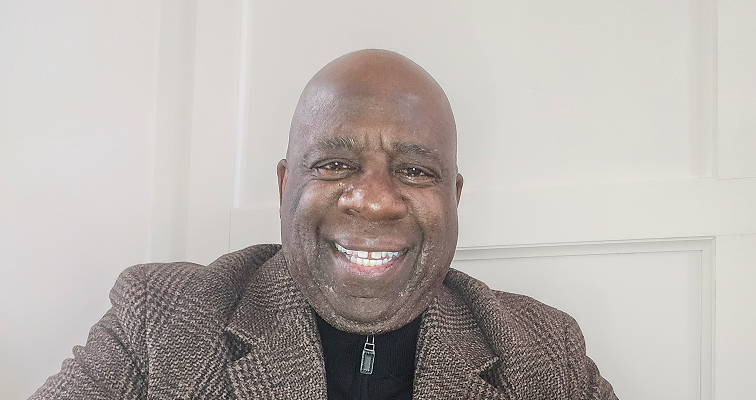
Randall F. Inniss, Esq.

Randall F. Inniss founded The Inniss Firm, PLLC in 2015, drawing on a 22-year career with the New York State Police. He earned his J.D. and an LL.M. in Criminal Law from the University at Buffalo School of Law and has been admitted to practice in New York for more than 25 years. As a former Certified Breathalyzer Operator and narcotics unit supervisor, he evaluates how law enforcement constructs a DWI case before developing a defense strategy.

Mr. Inniss currently serves as First Vice President of the New York State Association of Criminal Defense Lawyers and is a member of the National College for DUI Defense as well as a Fellow of the American Association of Premier DUI Attorneys. He has also provided NHTSA Standardized Field Sobriety Testing instruction to fellow attorneys.

How Are FAA Reporting, Certificate Action, and Medical Disclosure Different?

FAA reporting, certificate action, and medical disclosure are separate processes. A § 61.15 report notifies the FAA of a qualifying motor vehicle action, certificate action concerns the FAA’s authority over Part 61 certificates, ratings, and authorizations, and Form 8500-8 addresses medical disclosure.

FAA Issue What Triggers It Key Timing What It Means
§ 61.15 motor vehicle action report A qualifying conviction, driver license cancellation, suspension or revocation, or qualifying denial of a driver license application Report each motor vehicle action within 60 calendar days This is a notification requirement. Filing the report does not by itself suspend or revoke a Part 61 certificate
FAA Form 8500-8, Item 18.v disclosure Includes DWI/DUI arrests, convictions, and related administrative actions affecting driving privileges Disclose the incident on the next medical application and continue to disclose it on later applications This is part of medical certification and is separate from the § 61.15 report
§ 61.15(d) repeat motor vehicle action A motor vehicle action within three years of a previous motor vehicle action, unless the later action results from the same incident or arises from the same factual circumstances The later motor vehicle action occurs within three years of the previous action This is grounds for denial of a Part 61 application for up to one year after the last motor vehicle action, or suspension or revocation of an existing certificate, rating, or authorization
§ 61.15(f) failure to report Failure to submit a required § 61.15(e) report on time The required 60-day reporting period is missed This is separate grounds for denial of a Part 61 application for up to one year after the motor vehicle action, or suspension or revocation of an existing certificate, rating, or authorization

Do Pilots Have to Disclose a DWI on Medical Forms?

Yes. FAA Form 8500-8, completed through MedXPress, requires disclosure under Item 18.v. It asks about arrests and convictions involving driving while intoxicated, impaired, or under the influence of alcohol or a drug. It also covers certain arrests, convictions, and administrative actions that resulted in denial, suspension, cancellation, or revocation of driving privileges or attendance at an educational or rehabilitation program.

An arrest alone is not a motor vehicle action under § 61.15(c), but a DWI or DUI arrest must still be disclosed on Item 18.v when the next medical application is filed. These incidents must continue to be disclosed on later medical applications even if they were reported before.

Some alcohol events require additional FAA review. An Aviation Medical Examiner must defer the application in certain cases, including two or more alcohol events during the applicant’s lifetime or a history of dependence or substance use disorder.

Keep your § 61.15 report, court disposition, and DMV records together so the dates and charge descriptions on later medical applications are accurate and consistent with the records submitted to the FAA. The Inniss Firm, PLLC can help organize and review the court and DMV records from the DWI case so the underlying charge, disposition, and license actions are clearly documented.

Does Reporting a DWI Mean You Will Lose Your Certificate?

A timely § 61.15 report triggers a preliminary FAA investigation to confirm that the report was filed within 60 days and determine whether there are other reportable motor vehicle actions. Filing the report does not by itself suspend or revoke a Part 61 certificate. Medical certification is reviewed separately, and the circumstances of an alcohol event can lead to additional documentation or evaluation, including a substance abuse evaluation in some cases.

A new motor vehicle action arising from a separate incident within three years of a previous motor vehicle action is grounds for certificate action under § 61.15(d), but it does not automatically require immediate suspension or revocation.

Intentional falsification or the knowing omission or concealment of a material fact can create more serious enforcement consequences. FAA enforcement guidance treats this conduct as generally warranting revocation. Knowingly and willfully concealing a material fact in a matter within federal jurisdiction can also carry criminal penalties.

Key Takeaway: Timely reporting starts FAA review, not automatic certificate loss. A later motor vehicle action from a separate incident within three years or knowing concealment of a material fact can create additional certificate or enforcement consequences.

What Happens If a Pilot Misses the Reporting Deadline?

Failure to comply with § 61.15(e) is separate grounds for suspension or revocation of a Part 61 certificate, rating, or authorization. It is also grounds for denial of an application for a Part 61 certificate, rating, or authorization for up to one year after the motor vehicle action.

Missing the deadline is not a reason to withhold the report. A late report received before the FAA discovers the motor vehicle action can be considered a mitigating factor when a sanction is determined.

DWI Defense Attorney for Pilots in Middletown, New York

FAA reporting issues can develop before a New York DWI case is resolved. Decisions made during the criminal case, including how a plea is structured, can affect a pilot’s later FAA reporting obligations.

The Inniss Firm, PLLC represents pilots and other licensed professionals facing DWI charges in Orange County, Rockland County, and the broader Hudson Valley. Our New York DWI attorney Randall F. Inniss evaluates the prosecution’s evidence, develops the defense, and reviews related license actions and FAA reporting issues.

Contact The Inniss Firm, PLLC at (845) 470-4236 to schedule a free, confidential case review. Our office is located at 280 NY-211 Ste 203, Middletown, NY 10940.

Frequently Asked Questions

Does every New York DWI arrest have to be reported to the FAA?

An arrest alone does not trigger the § 61.15 reporting duty, but a qualifying driver license action or later conviction can. The arrest must still be disclosed on the next FAA medical certificate application.

What form does the FAA require for reporting?

No specific paper form is required. Pilots can use the FAA’s online Notification Letter or submit a written notice containing the identifying and motor vehicle action information required by § 61.15(e).

Can a pilot report by phone or email instead of mail?

The FAA does not accept the § 61.15 notification by telephone. Pilots can currently report through the online Notification Letter, by mail, or by fax; ordinary email is not listed as a submission method.

Does a DWI automatically ground a pilot?

Filing a § 61.15 report does not by itself suspend or revoke a pilot certificate. Any effect on flight privileges would come from a separate FAA enforcement or medical certification decision.

Does a DWI stop affecting FAA disclosures after three years?

No. The three-year period in § 61.15(d) applies to a later motor vehicle action from a separate incident, not to medical disclosure. Item 18.v incidents must continue to be disclosed on later FAA medical applications.

Can a New York DWI affect a commercial pilot differently than a private pilot?

The § 61.15 reporting rule is the same for private and commercial Part 61 certificate holders. Commercial pilots can also face separate employer and work-related consequences.

What should a pilot do immediately after a DWI arrest in New York?

Get the arraignment paperwork and any DMV notice, then check whether a qualifying driver license action has taken effect. If so, calculate the 60-day FAA reporting deadline from the action’s effective date. For help reviewing the DWI case and related FAA reporting issues, call The Inniss Firm, PLLC at (845) 470-4236.


via The Inniss Firm, PLLC https://www.trooper2lawyer.com/blog/must-pilots-report-a-new-york-dwi-to-the-faa/

Wednesday, September 16, 2026

How to Get Your DWI Dismissed in New York

Driving While Intoxicated (DWI) charges in New York can be dismissed, but it does not happen automatically. A defense may focus on specific flaws in the prosecution’s case, such as an unlawful traffic stop, unreliable breath-test evidence, a Miranda violation, or field sobriety tests that were not administered properly. Even when your blood alcohol content (BAC) registered above the legal limit, procedural and constitutional errors may weaken or exclude important evidence.

At The Inniss Firm, PLLC, our NY DWI defense lawyer helps drivers review the stop, arrest, testing process, and evidence for issues that may affect the case. If you were charged with DWI in New York, Attorney Randall F. Inniss can evaluate whether the prosecution’s proof may be challenged and what options may be available.

This guide walks through how New York DWI defenses are evaluated, what may happen at a suppression hearing, and how a case can move from arraignment toward dismissal, reduction, or another resolution. For help reviewing a DWI charge, call (845) 470-4236 today.

Can a DWI Actually Be Dismissed in New York?

A DWI charge in New York may be dismissed when the prosecution cannot prove the specific charge or when key evidence is excluded because it was obtained unlawfully or is too unreliable to support the case. The defendant does not have to prove innocence; the issue is whether the prosecution can meet its burden.

Under New York Vehicle and Traffic Law (VTL) § 1192, the prosecution must prove the specific charge filed. A per se DWI charge involves operating a motor vehicle with a BAC of 0.08% or higher. Aggravated DWI per se involves operating a motor vehicle with a BAC of 0.18% or higher. Common-law DWI requires proof that the person operated a motor vehicle while in an intoxicated condition. DWAI involves operating a motor vehicle while the person’s ability to drive is impaired by alcohol.

Key Takeaway: DWI dismissal depends on the prosecution’s ability to prove the charge and the admissibility of the evidence. A defense may focus on suppressing unlawfully obtained evidence, challenging unreliable proof, or both.

What Are the Most Common Grounds for DWI Dismissal in NY?

Common DWI defenses in New York often focus on the legality of the traffic stop or the reliability of the evidence collected afterward. Understanding which issues apply to your case is the first step toward building an effective defense strategy.

Was the Traffic Stop Legally Justified?

Outside a lawful checkpoint or another recognized exception, police generally need probable cause that a driver committed a traffic violation or reasonable suspicion that the driver or occupants committed, are committing, or are about to commit a crime. An officer cannot stop you simply because you were driving late at night or leaving a bar parking lot. In a standard traffic stop, there should be an observable reason, such as swerving, running a red light, speeding, or an equipment violation.

If the stop was not legally justified, evidence gathered afterward may be challenged through a suppression motion. Depending on the facts, this can include chemical test results, field sobriety test observations, and statements made to the officer.

Was the Breathalyzer Properly Calibrated and Administered?

New York breath-test evidence can be challenged by reviewing whether the device was approved for use, whether the reference-standard check was within the permitted tolerance, whether the operator held a valid permit, and whether maintenance and calibration duties were followed.

If records show a problem with the device, operator permit, reference-standard result, maintenance, calibration, or test sequence, the BAC result may be challenged. These issues do not automatically dismiss a DWI case, but they can weaken the prosecution’s chemical-test evidence.

Were Field Sobriety Tests Given Correctly?

The National Highway Traffic Safety Administration (NHTSA) has developed guidelines for standardized field sobriety testing, including the Horizontal Gaze Nystagmus, Walk-and-Turn, and One-Leg Stand tests, which are intended to be administered according to standardized protocols.

If the officer gave unclear instructions, used unsafe or uneven testing conditions, or failed to account for medical or physical limitations, the defense may challenge how much weight the court should give those results. Not every mistake leads to dismissal, but testing problems can weaken the reliability of the evidence.

How Do Police Procedural Errors Affect a NY DWI Case?

Police must follow specific protocols during every DWI arrest. When they skip steps, cut corners, or fail to document their actions properly, those errors create openings for the defense.

What Is the 15-Minute Observation Rule in New York?

Before administering an evidentiary breath test, the officer must observe the subject for at least 15 minutes before collecting the breath sample. During that period, the person must not ingest alcoholic beverages or other fluids, regurgitate, vomit, eat, smoke, or place anything in their mouth. If the person regurgitates, vomits, smokes, or places anything in the mouth, New York regulations require another 15-minute waiting period.

If the officer did not properly observe the waiting period, or if the person ate, drank, smoked, vomited, regurgitated, or placed something in their mouth during that time, the breath test result may be challenged. Mouth alcohol or testing-protocol problems can affect the reliability of a BAC reading.

How Can Miranda Violations Help Your Defense?

Miranda warnings apply when a person is in custody and subject to police interrogation. If police questioned you about how much you drank or where you were coming from after you were effectively in custody without giving those warnings, the defense may ask the court to suppress those statements. CPL § 710.20 allows a defendant to move to suppress certain categories of unlawfully or improperly obtained evidence, including involuntary statements and some evidence derived from unlawfully obtained evidence.

What Happens at a DWI Suppression Hearing in New York?

A suppression hearing is one of the most important stages of a New York DWI case. Under CPL § 710.20, the defense can ask the court to exclude specific evidence that was obtained illegally or in violation of the defendant’s rights.

New York recognizes several types of pre-trial suppression hearings relevant to DWI cases, and each targets a different part of the arrest process:

  • Mapp hearing: challenges whether physical evidence should be suppressed because it was obtained through an unlawful search or seizure
  • Huntley hearing: challenges the admissibility of the defendant’s statements to police
  • Dunaway hearing: challenges whether police had probable cause for the arrest itself

At these hearings, the prosecution may call the arresting officer or other witnesses to testify under oath. The defense attorney can cross-examine them about the stop, arrest, statements, and testing process. 

Key Takeaway: A suppression hearing can shape the case before trial by testing whether the stop, arrest, statements, or evidence complied with legal requirements. 

DWI Defense Attorney in Middletown, NY, The Inniss Firm, PLLC

Randall F. Inniss, Esq.

Randall F. Inniss is the founder of The Inniss Firm, PLLC, and a DWI defense attorney serving clients in Middletown and throughout New York’s Hudson Valley. Before becoming a criminal defense attorney, he served with the New York State Police for more than 22 years, working as a Trooper, Investigator, and Senior Investigator in regions that included Binghamton, New York City, Buffalo, and surrounding areas. 

Attorney Inniss has been admitted to practice law in New York for more than 25 years. He earned his Juris Doctor and Master of Laws in Criminal Law from the University at Buffalo School of Law and has completed NHTSA Standardized Field Sobriety Testing training for lawyers through Impaired Driving Specialists, LLC. With experience from both the law enforcement and defense perspectives, Attorney Inniss can review the details of an arrest with insight into how police investigations are built and where defense issues may arise.

When Can DWI Cases Get Dismissed or Reduced?

DWI cases are often resolved during the pre-trial phase. Suppression motions, discovery issues, or other weaknesses may support dismissal, reduction, or more favorable negotiations.

The pre-trial stage is also where plea negotiations may take place. If the evidence is weak, but not weak enough for outright dismissal, the prosecution may offer to reduce the charge from DWI to Driving While Ability Impaired (DWAI). A first DWAI/Alcohol is a traffic infraction rather than a misdemeanor or felony, but it can still carry fines, license consequences, and a DMV record. Prior offenses can increase the consequences.

What If Your BAC Was Over the Legal Limit in New York?

A BAC reading above 0.08% does not mean automatic conviction. In the right case, the timing of the last drink, the traffic stop, and the chemical test may matter because BAC can continue to rise after drinking stops while alcohol from the stomach and intestines enters the bloodstream. Whether this argument applies depends on the test timing, drinking timeline, and other evidence.

Because BAC evidence depends partly on timing and testing conditions, the reported number should be reviewed alongside the full arrest timeline and the other evidence in the case.

Key Takeaway: A BAC reading above 0.08% does not guarantee conviction. The defense may review whether the reported number fairly reflects the driver’s condition at the relevant time and whether the testing process supports the result.

What Are the Penalties If a NY DWI Is Not Dismissed?

Under VTL § 1192 and VTL § 1193, DWI-related offenses in New York can carry the following penalties:

Offense Fine Range License Action Maximum Jail
DWAI (first offense) $300 to $500 (plus surcharge) 90-day suspension Up to 15 days
DWI (first offense) $500 to $1,000 (plus surcharge) Min. 6-month revocation Up to 1 year
Aggravated DWI (first, BAC 0.18% or higher) $1,000 to $2,500 (plus surcharge) Minimum 1-year revocation Up to 1 year
DWI (second in 10 years, E felony) $1,000 to $5,000 (plus surcharge) Minimum 1-year revocation Up to 4 years
DWI (third in 10 years, D felony) $2,000 to $10,000 (plus surcharge) Minimum 1-year revocation Up to 7 years

In addition to fines, alcohol-related misdemeanors and felonies can carry state surcharges and fees. NY DMV currently lists these as a mandatory surcharge, crime victim assistance fee, additional surcharge, and alcohol fee, with an added town or village court fee when applicable. A DWI, per se DWI, or aggravated DWI conviction also requires an ignition interlock device as part of probation or conditional discharge.

Speak With a New York DWI Defense Attorney About Your Case

A DWI charge can affect your license, job, record, and daily responsibilities before the case is fully resolved. If you are facing a DWI in New York, getting legal guidance early can help you understand the charge, the court process, and the decisions ahead.

Attorney Randall F. Inniss helps clients in Middletown, Patterson, and throughout the Hudson Valley, including Orange, Putnam, and Dutchess counties, review the facts of an arrest and identify possible issues with the stop, testing, or reporting process. An early review may help determine whether the charge can be challenged, reduced, or negotiated.

Call The Inniss Firm, PLLC at (845) 470-4236 for a free consultation. Our office at 280 NY-211, Suite 203 in Middletown serves drivers throughout the Hudson Valley. There is no fee to learn your rights and find out whether your DWI can be challenged.

Frequently Asked Questions: DWI Dismissal in New York

How often do DWI charges get dismissed in New York?

Dismissal depends on the facts, charges, available evidence, and any pre-trial rulings. There is no single outcome that applies to every New York DWI case. A defense review can help determine whether dismissal is realistic or whether a reduction or negotiated resolution may be more likely.

Can I get a DWI dismissed if I refused the breathalyzer?

Refusing a chemical test can trigger separate DMV consequences, including temporary suspension and a refusal hearing. If the DMV hearing findings support the refusal, a first refusal can result in license revocation for at least one year and a $500 civil penalty. A refusal does not automatically prove the criminal DWI charge; the prosecution’s remaining evidence still matters.

Does a first-offense DWI in New York ever get dismissed?

A first-offense DWI may be dismissed when the prosecution cannot prove the charge or when key evidence is excluded. If dismissal is not supported by the record, a reduction to DWAI may still be considered during negotiations.

How long does a New York DWI case take to resolve?

Cases involving hearings, technical evidence issues, or substantial motion practice may take longer than cases resolved earlier in the process.

Can a DWI be expunged from my record in New York?

New York generally uses record sealing, not traditional expungement, for most criminal convictions. Some convictions may be eligible for sealing through a court application after 10 years if the person meets the eligibility rules. New York’s Clean Slate Act took effect on November 16, 2024, creating automatic sealing for eligible convictions after set waiting periods. 

The Unified Court System has until November 16, 2027, to complete automatic sealing for eligible convictions entered on or before the law’s effective date. Clean Slate does not require sealing or destruction of DMV records. Because sealing does not erase a record, the outcome of the DWI case can still matter.

How can a former State Trooper’s experience help in a DWI defense?

A former State Trooper’s experience can provide firsthand knowledge of DWI arrest protocols, including how officers are trained to conduct traffic stops, administer field sobriety tests, operate breath-testing equipment, and document arrests. This background can help identify procedural issues in the stop, arrest, testing, and reporting process.

Will I lose my license while my NY DWI case is pending?

Your driving privileges may be affected before the criminal case is resolved. A chemical-test refusal can lead to a separate DMV process, while a BAC result of 0.08% or higher can trigger New York’s prompt-suspension rule. In limited circumstances, the court may grant a hardship privilege for necessary travel to work, school, or medical care.


via The Inniss Firm, PLLC https://www.trooper2lawyer.com/how-to-get-dwi-dismissed-new-york/

What Is NY VTL 1192(2-a), Aggravated DWI (.18+)?

Aggravated DWI under VTL § 1192(2-a) has two forms. Paragraph (a) applies when a chemical analysis shows a BAC of .18% or higher. Paragraph (b) applies when a driver violates specified DWI or drug-impaired-driving provisions while a child age 15 or younger is a passenger. A first .18+ offense carries a higher fine range and a longer minimum license revocation than standard DWI, while the child-passenger offense is a Class E felony even on a first offense.

The Inniss Firm, PLLC represents drivers facing Aggravated DWI charges throughout New York. Founder Randall F. Inniss draws on more than 22 years of investigative experience as a former New York State Trooper, giving him firsthand insight into how DWI investigations and chemical testing are conducted. As a Suffern DWI defense lawyer, he reviews the circumstances of the stop, the chemical-test evidence, and other details that may affect the prosecution’s case.

This guide covers what qualifies as Aggravated DWI, how it differs from standard DWI, the potential penalties, when the offense can become a felony, and how the child-passenger provision applies.

For help evaluating an Aggravated DWI charge in Suffern or elsewhere in Rockland County, contact The Inniss Firm, PLLC at (845) 533-0265 for a free consultation.

What Must Prosecutors Prove Under NY VTL 1192(2-a)(a)?

Aggravated DWI under VTL § 1192(2-a)(a) is a per se offense. Prosecutors must prove that the defendant operated a motor vehicle and that a chemical analysis conducted under VTL § 1194 showed a BAC of .18% or higher. They do not have to prove that the driver appeared intoxicated.

VTL § 1192 sets a BAC of .08% or higher as the threshold for DWI per se under subdivision 2. Subdivision 2-a(a) establishes Aggravated DWI when the BAC reaches .18% or higher, creating a separate offense with its own elements and penalties.

The .18% threshold makes the accuracy of the chemical test an important part of the case. Breath and blood testing must follow applicable procedures, and problems with the equipment, testing process, or administration can affect the reliability of the result.

How Is Aggravated DWI Different From DWI Per Se in NY?

Standard DWI Per Se under VTL § 1192(2) applies at a BAC of .08% or higher. Aggravated DWI under § 1192(2-a)(a) applies at .18% or higher.

Factor DWI Per Se, VTL 1192(2) Aggravated DWI, VTL 1192(2-a)
BAC threshold .08% or higher .18% or higher
Charge type (first offense) Misdemeanor Misdemeanor
Mandatory fine range $500-$1,000 $1,000-$2,500
Maximum incarceration (first offense) Up to 1 year Up to 1 year
License action (first offense) Revoked at least 6 months Revoked at least 1 year
Ignition interlock Required Required

Aggravated DWI also has specific plea-bargaining restrictions. Under VTL § 1192(10)(d), a plea resolving a § 1192(2-a) charge ordinarily must be to § 1192(2), § 1192(2-a), or § 1192(3). A plea to another charge is permitted when the district attorney determines that a VTL § 1192 charge is not warranted and the court places the basis for that decision on the record.

What Are the Penalties for .18+ Aggravated DWI in New York?

The penalties for a .18+ Aggravated DWI under VTL § 1192(2-a)(a) increase with prior convictions within 10 years. A first offense is a misdemeanor, while repeat offenses can result in felony charges.

Offense (within 10 years) Classification Mandatory Fine Maximum Incarceration License Revocation
First Aggravated DWI Misdemeanor $1,000-$2,500 1 year At least 1 year
Second Aggravated DWI Class E felony $1,000-$5,000 4 years At least 18 months
Third Aggravated DWI Class D felony $2,000-$10,000 7 years At least 18 months

A conviction also carries additional costs and license-related requirements. The NY Department of Motor Vehicles (DMV) lists alcohol-related surcharges and fees of $395 for a misdemeanor and $520 for a felony, plus $5 for a conviction in a town or village justice court. New York also imposes a Driver Responsibility Assessment of $250 per year for three years.

For DWI convictions covered by the ignition-interlock law, the court orders an interlock restriction for at least 12 months. The restriction can end after proof that the device was installed and maintained for at least six months unless the court ordered a longer period. The defendant is responsible for the cost, but the court can approve a payment plan or waive the cost based on inability to pay.

The child-passenger offense under § 1192(2-a)(b) follows different rules and is a Class E felony even on a first offense.

Aggravated DWI Defense Attorney in Suffern – The Inniss Firm, PLLC

Randall F. Inniss, Esq.

Randall F. Inniss is the founder of The Inniss Firm, PLLC, a criminal defense practice serving New York’s Hudson Valley. Before becoming an attorney, he served as a New York State Trooper and gained more than 22 years of investigative experience involving DWI cases, misdemeanors, and felonies. He has practiced law for more than 25 years. As a former Certified Breathalyzer Operator who made or participated in more than 100 DWI arrests, he brings firsthand knowledge of DWI investigations and breath testing to his defense work.

Randall earned his LL.M. in Criminal Law and J.D. from the University at Buffalo School of Law. He is also a member of the National College for DUI Defense and a Fellow of the American Association of Premier DUI Attorneys. His experience as a former narcotics unit supervisor further strengthens his ability to review police investigations, identify gaps in the evidence, and examine details that can affect the defense.

What Is Aggravated DWI With a Child Passenger?

VTL § 1192(2-a)(b), commonly associated with Leandra’s Law, applies when a driver violates § 1192(2), (3), (4), or (4-a) while a child aged 15 or younger is a passenger. New York enacted the provision in 2009 after 11-year-old Leandra Rosado was killed in a crash caused by an intoxicated driver.

The child-passenger offense does not require a BAC of .18% or higher. It is a Class E felony even for a first offense and carries additional consequences, including an ignition interlock requirement. A driver with a .18+ BAC and a child age 15 or younger in the vehicle can face charges under both provisions of § 1192(2-a).

What Happens If You Refuse a Chemical Test in an Aggravated DWI Case?

Refusing a post-arrest chemical test does not prevent a DWI prosecution. Under VTL § 1194, drivers are deemed to have consented to chemical testing when the statutory conditions are met. A refusal can lead to a separate DMV proceeding and license revocation.

For a first chemical-test refusal, the DMV lists these consequences:

  • A $500 civil penalty, or $550 for commercial drivers
  • License revocation for at least one year, or 18 months for commercial drivers
  • Admission of the refusal as evidence at trial when the prosecution establishes that the driver received clear and sufficient warnings about the consequences and continued to refuse testing

Prosecutors can still pursue other DWI charges based on admissible evidence, such as the officer’s observations, driving behavior, field sobriety tests, and the driver’s statements. However, Aggravated DWI under VTL § 1192(2-a)(a) requires a qualifying chemical analysis showing a BAC of .18% or higher. Without that chemical-test result, the prosecution cannot establish the BAC element required for the .18+ aggravated per se offense.

What Should You Do If Charged With Aggravated DWI in Suffern, NY?

An Aggravated DWI charge can affect both the criminal case and your driving privileges. A chemical-test refusal can also lead to a separate DMV proceeding, so it is important to keep track of court appearances and any DMV deadlines.

After an arrest, focus on these steps:

  • Attend every scheduled court appearance: Missing a required appearance can create additional legal problems and delay the case.
  • Keep all documents related to the arrest: Save tickets, appearance notices, chemical-test paperwork, refusal documents, and anything else provided by the police or court.
  • Do not ignore license-related notices: A DWI charge can result in license consequences before the criminal case is resolved, and a chemical-test refusal involves a separate DMV process.
  • Preserve information related to the stop and testing: Details about the traffic stop, field sobriety tests, chemical testing, and events surrounding the arrest can help an attorney evaluate the evidence.
  • Speak with a DWI attorney as early as possible: An attorney can review the charges, identify applicable deadlines, and determine which parts of the prosecution’s evidence require closer examination.

A misdemeanor DWI arising in Suffern can be prosecuted in Suffern Village Court. Town and village courts also handle arraignments and preliminary proceedings in felony cases, while felony trials are handled in County Court. For cases arising in Rockland County, felony trials are handled in Rockland County Court.

Get Help from a Suffern Aggravated DWI Attorney

A .18+ chemical-test result is significant evidence, but it does not by itself establish a conviction. The prosecution must still prove each element of the charge and establish that the chemical-test evidence is admissible and reliable.

At The Inniss Firm, PLLC, Randall F. Inniss represents drivers facing Aggravated DWI charges in Suffern and throughout Rockland County. His experience as a former New York State Trooper and Certified Breathalyzer Operator gives him firsthand knowledge of DWI investigations and chemical testing.

Call The Inniss Firm, PLLC at (845) 533-0265 for a free consultation. We serve clients from our office at 400 Rella Blvd #165 in Suffern and represent drivers throughout Rockland County and the Hudson Valley.

Frequently Asked Questions

What BAC counts as Aggravated DWI in New York?

A chemical analysis showing a Blood Alcohol Content (BAC) of .18% or higher triggers an Aggravated DWI charge under NY VTL § 1192(2-a)(a).

Is Aggravated DWI worse than a regular DWI charge?

Yes. Even as a first-offense misdemeanor, Aggravated DWI carries higher mandatory fines ($1,000-$2,500) and a longer minimum license revocation (at least one year) than standard DWI.

Can Aggravated DWI charges be reduced to DWI Per Se?

In some cases, yes. When the reading sits near .18%, a margin-of-error challenge or a problem with the testing procedure may support a reduction to standard DWI, though outcomes depend on the specific facts.

Will I lose my license immediately for Aggravated DWI in NY?

If the prompt-suspension requirements of VTL § 1193(2)(e)(7) are satisfied, the court must suspend the driver’s license pending prosecution, generally by the conclusion of the arraignment. A conviction under § 1192(2-a) carries a minimum one-year revocation, and a chemical-test refusal can trigger a separate DMV proceeding.

Does Aggravated DWI require an ignition interlock device?

Yes. The court must impose an ignition-interlock restriction for covered DWI convictions. The restriction is ordered for at least 12 months, although it may terminate after proof that the device was installed and maintained for at least six months unless the court ordered a longer period.

What happens if I have a child in the car during an Aggravated DWI stop?

Operating a vehicle in violation of VTL § 1192(2), (3), (4), or (4-a) while a passenger age 15 or younger is in the vehicle constitutes Aggravated DWI with a child under § 1192(2-a)(b). It is a Class E felony even for a first offense.

Do I need a lawyer for a .18+ BAC DWI charge in Suffern?

A .18+ charge carries enhanced fines, license consequences, and technical evidentiary issues. An attorney can review the traffic stop, the chemical test, prior conviction history, and any additional circumstances that could affect the classification or penalties.


via The Inniss Firm, PLLC https://www.trooper2lawyer.com/ny-vtl-1192-2a-aggravated-dwi/

Thursday, September 10, 2026

Can You Become a Nurse in New York After a DWI Conviction?

A DWI conviction can raise serious concerns when you are applying for a nursing license in New York, but it does not automatically end your path to becoming a registered nurse. The New York State Education Department (NYSED) evaluates criminal history individually as part of its good moral character determination. Applicants must also answer NYSED’s questions about pending criminal charges and felony or misdemeanor convictions accurately.

At The Inniss Firm, PLLC, Middletown DWI defense attorney Randall F. Inniss represents nurses facing DWI charges that could affect their careers and professional licenses. He considers both the criminal case and the potential licensing consequences when evaluating the available defense options. This approach can be especially important when a plea or conviction could trigger disclosure or professional discipline.

This guide explains how an arrest differs from a conviction for nursing-license purposes, what NYSED considers when evaluating criminal history, and when disclosure may be required. It also covers the professional disciplinary consequences a nurse could face after a DWI conviction.

If you are facing a DWI and are concerned about your nursing license, contact The Inniss Firm, PLLC to discuss your case with Randall F. Inniss. Call (845) 470-4236 to schedule a consultation.

Can a DWI Conviction Stop You From Becoming a Nurse in NY?

No. A DWI conviction does not automatically prevent you from obtaining a nursing license in New York. According to the New York State Office of the Professions, NYSED considers prior convictions individually when determining whether an applicant qualifies for licensure.

As part of that process, applicants must meet New York’s licensing requirements for registered professional nurses (RNs). This includes being of good moral character, being at least 18, completing an approved nursing education program, satisfying required infection control and child abuse reporting coursework, and passing the National Council Licensure Examination for Registered Nurses (NCLEX-RN). These requirements are established under New York Education Law Article 139 and 8 NYCRR Part 64.

A prior DWI becomes part of NYSED’s assessment of the applicant’s background and fitness for licensure. The circumstances of the offense, how much time has passed, and the applicant’s conduct since the conviction can all be relevant. A single DWI, for example, presents a different history from multiple alcohol-related convictions over several years.

Applicants should also answer questions about their criminal history accurately. The Office of the Professions notes that courts often notify NYSED when nurses are convicted of a crime, so a conviction can come to the Department’s attention independently.

Key Takeaway: A DWI conviction does not automatically disqualify you from nursing licensure in New York. NYSED considers the conviction along with the applicant’s overall history when determining eligibility for a license.

Does a DWI Arrest Alone Affect Your Nursing License in New York?

An arrest alone is not a conviction, but a pending DWI can still affect the licensing process. NYSED’s nursing forms ask about pending criminal charges as well as felony and misdemeanor convictions. If your DWI case is still pending when you apply for a nursing license or renew your registration, you must answer any questions about the case accurately.

How the DWI case is resolved also matters. Some DWI charges are reduced to Driving While Ability Impaired by Alcohol (DWAI) under VTL § 1192(1). A first-offense DWAI is a traffic infraction rather than a crime, while repeat offenses can carry different classifications and penalties. The final disposition can affect how you answer NYSED’s questions about criminal convictions.

Status Criminal Record NYSED Disclosure
DWI arrest, case pending No conviction yet Pending charge must be disclosed when asked
Case dismissed or acquitted No conviction No felony or misdemeanor conviction
First-offense DWAI Traffic infraction, not a crime Depends on the specific question asked
DWI misdemeanor conviction Misdemeanor conviction Must be disclosed when asked about felony or misdemeanor convictions
Felony DWI conviction Felony conviction Must be disclosed when asked about felony or misdemeanor convictions

Because the disposition of a DWI case can affect nursing-license disclosures, it is important to raise licensing concerns before accepting a plea.

What Factors Do New York Nursing Boards Consider?

When evaluating a prior conviction, New York licensing authorities consider the nature of the offense, its connection to the duties of the profession, how much time has passed, the applicant’s age at the time, evidence of rehabilitation and good conduct, and public-safety concerns. The factors for review are as follows:

  • Nature and seriousness of the offense: A misdemeanor DWI near the .08 Blood Alcohol Content (BAC) threshold differs from an Aggravated DWI at .18 BAC or a DWI involving an injury.
  • Repeat offender status and pattern of offenses: Multiple alcohol-related convictions can raise concerns about rehabilitation, fitness to practice, and public safety.
  • Time since the offense: The length of time since the conviction and the applicant’s conduct during that period are relevant to the licensing decision.
  • Evidence of rehabilitation: Treatment, counseling, sobriety documentation, compliance with court requirements, and other evidence of good conduct can support an applicant’s case.
  • Accuracy of disclosure: Applicants should answer NYSED’s questions about pending charges and convictions truthfully and provide requested information.
  • Connection to nursing duties: Conduct involving impairment at work, medication diversion, or driving as part of nursing duties can have a closer connection to professional practice.

Applicants can also provide supporting information that gives NYSED additional context about their history and conduct since the offense. This can include character references from supervisors, nursing faculty, or treatment providers.

Key Takeaway: NYSED considers the circumstances of the DWI, the applicant’s history, evidence of rehabilitation, and the relationship between the offense and nursing practice. No single factor determines the outcome of the licensing review.

Are Nurses Required to Report a DWI Arrest in New York?

A DWI arrest does not create a separate reporting requirement simply because the arrest occurred. However, NYSED’s nursing forms ask about pending criminal charges when a nurse applies for a license or renews a registration, so a DWI that is pending at that time must be disclosed. The forms also ask about felony and misdemeanor convictions.

If information on a pending licensure application changes, NYSED instructs applicants to notify the Division of Professional Licensing Services. Applicants should provide complete and accurate information because a false or incomplete response can create an additional licensing issue.

DWI Defense Attorney in Middletown – The Inniss Firm, PLLC

Randall F. Inniss, Esq.

Randall F. Inniss is the founder and principal attorney of The Inniss Firm, PLLC, representing clients in DWI and criminal defense matters throughout New York’s Hudson Valley. Before practicing law, he served more than 22 years with the New York State Police and worked as a Certified Breathalyzer Operator, personally making or participating in more than 100 DWI arrests.

Randall has been admitted to practice law in New York for more than 25 years. He earned his J.D. and LL.M. from the State University of New York at Buffalo School of Law and holds a B.S. with honors from Binghamton University. He is also a member of the National College for DUI Defense, the New York State Association of Criminal Defense Lawyers, and the New York State Bar Association.

What Happens to Your License After a DWI Conviction in NY?

A DWI conviction does not automatically suspend a New York nursing license, but it can lead to professional review. A criminal conviction can constitute professional misconduct under Education Law § 6509(5), and notification of a conviction can prompt the Office of Professional Discipline (OPD) to open an inquiry. OPD can consider the circumstances of the offense, the nurse’s disciplinary history, evidence of rehabilitation, and any substance use concerns connected to professional practice.

An inquiry does not automatically result in discipline. If OPD determines that formal action is warranted, the case proceeds through New York’s professional discipline process, where the circumstances of the conviction and the nurse’s professional history can affect the outcome.

The underlying DWI also carries separate criminal and driving consequences. A first DWI in New York carries a $500 to $1,000 fine, up to one year in jail, and driver’s license revocation for at least six months. A second DWI within 10 years is a Class E felony punishable by a $1,000 to $5,000 fine and up to four years in prison, adding a felony conviction to the issues considered during professional review.

What Professional Discipline Can New York Impose on a Nurse After a DWI?

Under Education Law § 6511, professional discipline can include censure and reprimand, fines of up to $10,000 per specification, probation, full or partial suspension, revocation, or annulment. The Board of Regents can also impose limitations on registration or future licensure, require additional education or training, order up to 100 hours of public service, or stay a penalty subject to specified conditions.

The disciplinary outcome depends on the circumstances of the DWI and the nurse’s professional history. NYSED enforcement actions involving DWI convictions have included fines, probation, stayed suspensions, and actual or indefinite suspensions, with the specific penalty based on the facts of the case and any additional misconduct.

For cases involving a substance use problem, NYSED operates the Professional Assistance Program (PAP) as a confidential alternative to formal disciplinary proceedings for eligible licensed professionals. Participation can involve treatment, monitoring, and, in some cases, temporary surrender of the professional license. Nurses can also access peer support through programs such as the Statewide Peer Assistance for Nurses (SPAN) and Nurse 2 Nurse.

Key Takeaway: A DWI conviction can lead to different forms of professional discipline, but no single penalty applies to every case. The outcome depends on the circumstances of the conviction, prior disciplinary history, and evidence related to the nurse’s fitness to practice.

Work with a Middletown DWI Defense Attorney Today

A DWI charge can create added concerns when your nursing license and career are at stake. The outcome of the criminal case can also affect the licensing process, making it important to consider both the DWI charge and its professional consequences before making decisions about your case.

Randall F. Inniss defends nurses and other licensed professionals facing DWI charges in town, village, and county courts throughout Orange County and the Hudson Valley. He can evaluate the evidence against you and consider how different case outcomes could affect your professional license.

Call The Inniss Firm, PLLC at (845) 470-4236 to schedule a consultation with Randall F. Inniss. Our office at 280 NY-211, Suite 203, Middletown, NY, serves clients throughout Orange County and the surrounding Hudson Valley.

Frequently Asked Questions

Will a first-time DWI end my nursing career in New York?

Not automatically. NYSED evaluates prior convictions individually when determining their effect on nursing licensure. For a licensed nurse, a DWI conviction can also lead to professional discipline, with the outcome depending on the circumstances of the offense, prior history, and other factors relevant to professional practice.

Do I have to report a DWI arrest before my case is resolved?

If a DWI charge is pending when you apply for a nursing license or renew your registration, you must disclose it in response to NYSED’s question about pending criminal charges. If information on a pending licensure application changes, applicants must notify the Division of Professional Licensing Services. Separate reporting requirements can also apply under an employer’s policies or other credentialing rules.

Can I lose my license for a DWI that happened outside New York?

Yes. NYSED’s nursing application asks about felony and misdemeanor convictions “in any court,” which includes qualifying convictions from other states. An out-of-state DWI can therefore affect a New York nursing license and lead to review under the state’s professional licensing and discipline rules.

How long does a DWI stay on my nursing record?

NYSED does not provide a fixed period after which a conviction stops being relevant to nursing licensure. Its application and renewal materials ask about felony and misdemeanor convictions without specifying a time limit. The amount of time that has passed since the offense, however, is one factor considered when evaluating a prior conviction.

Can a DWI affect nursing school admission in NY?

Yes. Nursing programs and clinical placement sites can have their own admission and background-check requirements. A DWI can therefore affect admission or eligibility for a clinical placement even when it does not automatically prevent future nursing licensure.

What if I don’t disclose my DWI to NYSED?

You must answer NYSED’s questions about pending criminal charges and convictions accurately. A false or incomplete response on a licensure or registration application can create a separate professional licensing issue, so it is important to disclose the information required by the specific question.


via The Inniss Firm, PLLC https://www.trooper2lawyer.com/blog/can-you-become-a-nurse-in-new-york-after-a-dwi-conviction/

Wednesday, September 2, 2026

How Do You Fight Field Sobriety Test Results in a New York DWI Case?

Field sobriety tests play a central role in many New York DWI arrests, but the results are not always reliable. Officers must administer and score these tests according to NHTSA’s standardized procedures, and even small deviations can affect the outcome. Because the scoring often depends on an officer’s observations and judgment, the results can be challenged. Unclear instructions, a sloped roadside, or an untreated knee injury can all produce physical clues that an officer could misinterpret as alcohol impairment. If the driver holds a regulated credential, the defense plan should also identify professional-license deadlines, employer notices, and board-related risks before the criminal case is resolved.

Middletown DWI defense lawyer Randall F. Inniss is a former New York State Trooper and an NHTSA instructor in Standardized Field Sobriety Tests (SFSTs) who trains other attorneys on how these tests are supposed to be administered. We can review whether the officer gave the correct instructions, used the proper scoring method, considered medical or physical limitations, and conducted the tests under fair conditions. 

This guide explains what the NHTSA validation research shows, which three tests make up the standardized battery, the administration and scoring errors that undermine results, and how medical conditions and testing conditions affect performance. Call The Inniss Firm, PLLC at (845) 470-4236 to schedule a confidential consultation and start building your defense today.

Are Roadside Field Sobriety Tests Mandatory in New York?

Many drivers assume they are legally required to perform roadside balance and eye tests, but field sobriety exercises are voluntary. New York’s Implied Consent Law under Vehicle and Traffic Law § 1194 applies to chemical testing (breath, blood, or urine tests) after an arrest, not to roadside physical exercises.

Refusing a chemical test triggers an automatic, mandatory driver’s license revocation of at least one year through the DMV. In contrast, declining roadside field sobriety tests does not carry an automatic statutory license revocation, though an officer can still arrest you if other signs of impairment are present.

How Reliable Are Field Sobriety Tests in New York DWI Cases?

The National Highway Traffic Safety Administration (NHTSA) has conducted a number of studies on the accuracy of SFSTs. While these studies have shown that these tests can be a reliable indicator of one’s B.A.C. (Blood Alcohol Concentration), they have also revealed significant limitations. Therefore, SFSTs must be administered correctly.

The officer conducting the SFSTs is looking for a specific number of “clues” on each test, and the reliability of the results depends on whether the officer administers the tests based on standards and scores them accurately. If neither were done, the reliability of the tests can be compromised.

What Do the NHTSA Validation Studies Actually Show?

The validation research does not say the tests measure intoxication. It says that when the standardized procedures are followed exactly, the clue totals correlate with a blood alcohol concentration at or above the 0.08% threshold used for a New York DWI per se arrest. However, correlation is not a direct measurement, which is why roadside test results can be challenged. NHTSA’s frequently cited San Diego field validation study reported accuracy rates in the range of roughly 80 to 90 percent for the individual tests at 0.08% BAC, with the three-test battery performing better than any single test alone.

Two points matter in a Middletown courtroom. First, an accuracy rate in the high 80s describes a meaningful error rate, and the studies measured correlation with BAC, not a person’s driving ability. Second, the word “validated” in the NHTSA curriculum is conditional: the studies validated a specific protocol, so a test administered off protocol has not been validated at all. That distinction is often the difference between test results a judge treats as strong evidence and test results a judge treats as one officer’s opinion.

Which Three Tests Make Up the Standardized Field Sobriety Test Battery?

The standardized battery has three components, each with a fixed set of clues and a fixed decision point.

Test What the officer observes Maximum clues NHTSA decision point
Horizontal Gaze Nystagmus (HGN) Lack of smooth pursuit, distinct nystagmus at maximum deviation, onset of nystagmus prior to 45 degrees, in each eye 6 4 or more clues
Walk-and-Turn Balance during instructions, starting too soon, stepping off the line, missing heel-to-toe, raising arms, wrong number of steps, improper turn 8 2 or more clues
One-Leg Stand Swaying, using arms for balance, hopping, putting the foot down during a 30-second count 4 2 or more clues

Officers sometimes add non-standardized exercises such as reciting the alphabet or counting backward; however, these additional exercises have no validation data behind them.

Who Is Excluded From Reliable SFST Results?

The NHTSA curriculum identifies people for whom the balance tests may not produce reliable results. Here are the exclusions below:

  • Drivers over roughly 65 years of age: Natural changes in physical stability and balance can compromise test performance regardless of alcohol intake.
  • Drivers 50 or more pounds overweight: Excess body weight disrupts physical stability, which affects performance on the One-Leg Stand and Walk-and-Turn tests in particular.
  • People with back, leg, hip, knee, or ankle injuries: Pre-existing physical conditions impair the balance and coordination required to walk heel-to-toe or stand on one foot.
  • People with inner ear conditions: Vestibular issues directly alter balance, producing symptoms that officers frequently mistake for alcohol impairment.
  • Anyone wearing heels more than two inches high: High-heeled footwear naturally destabilizes balance, and officers should allow drivers to remove their shoes before testing. Photographs of the roadway, footwear, weather, lighting, and nearby traffic can help preserve the conditions that shaped the field sobriety test.

Key Takeaway: NHTSA validation applies only to drivers who meet strict eligibility criteria. When an officer administers balance tests to a candidate flagged by the manual, such as someone over 65, 50 or more pounds overweight, or living with physical or inner ear conditions, the test loses scientific reliability and can be challenged in court.

What Administration Errors Undermine SFST Results in New York?

Standardized Field Sobriety Tests are only scientifically reliable when officers follow NHTSA protocols to the letter. When law enforcement strays from these strict guidelines, normal human confusion or minor physical slips are easily misread as intoxication. Uncovering these procedural failures is often the key to challenging roadside test results in a New York DWI defense.

Instruction and Demonstration Mistakes Officers Make

Before a driver attempts any balance or coordination exercise, the officer must ensure the individual fully understands what is being asked of them. When officers rush, give conflicting directions, or skip mandatory steps during the setup, a driver is often set up to fail before the test even begins.

These are some of the mistakes officers make when conducting a Field Sobriety Test:

  • Improper Instructions: The officer must give clear and concise instructions before each test. If the instructions are confusing or incomplete, it can be difficult for a driver to perform the test correctly.
  • Improper Demonstration: The officer is supposed to demonstrate each test before the driver performs it. If the demonstration is incorrect or abbreviated, it can lead the driver to make mistakes that get scored as clues.
  • Scoring Errors: The officer is supposed to look for a specific number of clues on each test. It is not uncommon for officers to misinterpret the clues or to count clues that are not present, and it is also common for the report to list more clues than the video supports.

How Do Environmental Conditions Affect Test Validity?

The balance tests are supposed to be administered on a reasonably dry, hard, level, non-slippery surface with adequate room. Roadside conditions in Middletown may not be ideal in all locations; roads could have a crowned or sloped shoulder, gravel, snow or slush, a sharp road grade, or standing water. Each of these unfavorable conditions can cost a sober person the same clues as an impaired person would show.

Lighting and distraction also greatly affect your test result. Passing traffic on Route 211 or Interstate 84, the officer’s own takedown lights and rotating overheads, cold weather, and wind all affect balance and concentration, and none of that appears in a clue count. The driver’s footwear is in the same analysis, since dress shoes, work boots, and heels change how a heel-to-toe walk looks on video.

Was the Officer Certified and Current on SFST Training?

NHTSA’s curriculum contemplates initial certification followed by periodic refresher training, and New York agencies send officers to refresher and instructor refresher courses to stay current. If an officer’s certification has lapsed, or the officer cannot describe the current procedure and decision points from the manual, that is a legitimate line of cross-examination about the validity of the administered test.

Training records, certification dates, and the officer’s own SFST manual are all discoverable, and reviewing them early can shape both a suppression motion and the trial strategy. Officers who have not touched the manual in years often describe procedures different from what the curriculum requires.

Key Takeaway: Standardized Field Sobriety Tests depend entirely on strict compliance with NHTSA instruction, demonstration, and scoring protocols. Any deviation by the officer, or a lapse in their required training certification, directly weakens the legal weight of the clue count and challenges the probable cause for the arrest. Preserve body-camera footage, witness names, photographs, and medical context because a common-law DWI case can turn on how observations are interpreted.

Field Sobriety Test Defense Attorney in Middletown: The Inniss Firm, PLLC

Randall F. Inniss, Esq.

Randall F. Inniss has served with the New York State Police from 1983 to 2005 as a Trooper, Investigator, and Senior Investigator, and he has been admitted to practice in New York for more than 25 years. He earned his J.D. in 1997 and an LL.M. in criminal law in 2003, both from the University at Buffalo School of Law, after completing a B.S. with honors at Binghamton University.

His background includes participating in more than a hundred DWI arrests, engaging as a Certified Breathalyzer Operator, and teaching NHTSA Standardized Field Sobriety Testing for lawyers through Impaired Driving Specialists, LLC. He is a member of the National College of DUI Defense, a Fellow of the American Association of Premier DUI Attorneys, and a member of the New York State Association of Criminal Defense Lawyers and the New York State Bar Association. That dual perspective, how a case is built on the street and where the paperwork and procedure fall apart, drives how he approaches every field sobriety test case in Middletown and the surrounding counties.

Do Medical Conditions Explain Poor SFST Results?

Another major problem with field sobriety tests is that officers often do not account for medical conditions affecting test performance. For example, an inner ear problem can cause balance issues, which may lead to a “fail” result on the walk-and-turn or one-leg stand test. A prior back or knee injury may prevent standing on one leg for 30 seconds, and certain neurological conditions can cause natural nystagmus, which may be mistaken for alcohol impairment.

Other conditions such as diabetes, vertigo, a prior head injury, prescription medication side effects, recent surgery, and even significant fatigue can each generate clues that have nothing to do with alcohol. Officers are trained to ask about injuries and conditions before testing, and a report that shows no such inquiry is itself a defense point.

Documenting Medical Conditions for Your Defense

Useful documentation typically includes treatment records that predate the arrest, imaging or specialist notes, a current medication list, and in some cases a treating physician’s letter describing the functional limits the condition imposes. If your medical records are consistent with the specific clues the officer marked, a prosecutor may be willing to reduce or dismiss rather than defend the clue count at a hearing.

An experienced DWI attorney can use medical records to show that poor performance on the tests was due to a medical condition, not to alcohol impairment.

Is Video Evidence Good or Bad for Your DWI Defense?

In many DWI cases, there is video footage of the field sobriety tests from the officer’s dashboard camera or body camera. This video can be a powerful piece of evidence, for better or for worse. If the video shows the tests were performed well, it can challenge the officer’s claim of impairment, and if the video shows poor performance, the prosecution may use it to argue for a conviction.

What to Look for When Reviewing Your Footage

Careful review of the footage often reveals inconsistencies between the officer’s report and what the camera captured: instructions that were never given, a demonstration that was skipped, clues that are not visible, or clues that the report never mentioned. It also shows the environment the test was conducted in. You can clearly observe the shoulder slope, surface conditions, weather, traffic, and flashing lights under which the driver was asked to perform. Those conditions are hard to describe from the witness standpoint and are easier to see on screen.

The audio also matters because it captures whether the driver was told the exact procedure the manual requires.

How Juries React to Seeing the Tests Demonstrated

Prosecutors often rely on officer testimony that the person failed the SFSTs. However, most jurors do not have a clear understanding of what these roadside tests actually require. When the tests are shown in court, the difficulty of performing field sobriety tests correctly may become apparent, even for someone who is sober.

That demonstration reframes the whole issue, for example, once jurors understand that two clues out of eight are enough for an officer to call the Walk-and-Turn Test a failure. At that point, the clue count no longer feels like an exact scientific measure. It starts to feel more like a judgment call.

Preserving and Obtaining Video Evidence in Orange County

Body camera and dash camera footage is not kept indefinitely. Retention periods depend on the standard set by each agency’s policy, and non-flagged recordings can be overwritten in a matter of weeks or months, so counsel should send a preservation demand and a discovery request as soon as the case opens. New York’s automatic discovery statute, Criminal Procedure Law § 245.20, requires the prosecution to disclose electronic recordings related to the case, including police-generated video.

Multiple agencies may hold footage from the same Middletown stop: the New York State Police, the City of Middletown Police Department, the Orange County Sheriff’s Office, or a neighboring department that assisted. Videos containing the booking room and breath testing room can also exist separately from the roadside recording, and each source may need its own request. A short written checklist for the first 24 hours can reduce avoidable mistakes such as posting online, discarding paperwork, or contacting witnesses without legal advice.

Key Takeaway: Video footage can help or hurt a DWI case, and the only way to know is to conduct a formal review of the evidence. Because footage from Middletown and Orange County agencies can be overwritten on a set retention schedule, early legal review and a written preservation demand are critical.

When Does a DWI Defense Need Expert Testimony?

In some cases, it can be necessary to retain an expert witness to challenge the results of the field sobriety tests. Expert testimony can be a powerful tool in a DWI charge defense, and in the right case it can be the difference between a conviction and a dismissal.

Here are the types of experts who can challenge SFST results:

Expert Type Primary Defense Role
Former SFST Instructor Compares the arresting officer’s roadside conduct directly to the NHTSA manual, step by step, to uncover procedural and scoring errors.
Physician or Medical Specialist Links a driver’s pre-existing or documented medical condition to the specific physical clues the officer scored as impairment.
Validation Research Scientist Explains what the underlying NHTSA validation studies actually establish—and clarifies the legal and scientific limits of those findings.

How Expert Testimony Changes the Outcome of a Trial

At a suppression hearing, expert testimony is aimed at probable cause. For example, if the tests were not administered as validated, the clue count may not support the arrest decision the officer made. At trial, the same testimony serves a different purpose, giving the jury a standard against which to measure what the video shows.

Expert testimony is not required in every case. If the video is clear, and the errors are obvious, cross-examination of the officer using the officer’s own manual can accomplish the same result at far lower cost, and the judgment call depends on the specific facts of the stop.

Key Takeaway: A qualified SFST expert can translate technical administration errors into terms a judge or jury can act on. Whether one is needed depends on how clearly the footage and the officer’s testimony already show the deviations.

Get Help from a Middletown DWI Defense Attorney

A DWI arrest based on a roadside balance test is not the end of the case. The officer’s conclusion is still an opinion, and that opinion depends on whether the test was explained, demonstrated, administered, and scored accurately based on the standards given. When those procedures are not followed, the inconsistencies can appear on body camera footage, in the police report, or in the officer’s own training records.

Randall F. Inniss has more than 20 years of experience with the New York State Police, participated in many DWI arrests, and now trains attorneys as an NHTSA instructor in Standardized Field Sobriety Testing. His background gives him a practical view of DWI cases from both sides. He understands how officers build a case, what details they rely on, and where the stop, testing, or arrest process may be challenged.

Call The Inniss Firm, PLLC at (845) 470-4236 to discuss how Field Sobriety Tests matter in your case. Our office is located at 280 NY-211 Suite 203, Middletown, NY 10940 and represents drivers charged in Middletown, throughout Orange County, and across the Hudson Valley.

Frequently Asked Questions: Standardized Field Sobriety Tests Defense Strategies

Do you have to take field sobriety tests in New York?

Field sobriety tests are voluntary physical exercises, and New York’s implied consent law, Vehicle and Traffic Law § 1194, addresses chemical testing of breath, blood, urine, or saliva rather than roadside balance tests. Declining the roadside exercises does not carry the same statutory license consequences as refusing a chemical test, though an officer may still make an arrest based on other observations.

Can a DWI conviction rest on field sobriety tests alone?

It can happen, particularly in cases charged under the common law intoxication provision of Vehicle and Traffic Law § 1192(3), where the prosecution relies on the officer’s opinion rather than a BAC number.

What if there is no video of the tests?

The absence of video footage affects both parties because neither side can rely on the footage to confirm what occurred during the stop or testing. In that situation, the officer’s report and testimony becomes the main account of the procedure, and cross-examination is often the primary way to test whether each required step was actually followed. Counsel should still request video from every agency that responded, since a backup officer, second unit, or nearby patrol camera may have captured part of the stop or the field sobriety tests.

Does it hurt the defense if you never mentioned your injury to the officer?

Not necessarily. Many people are nervous at a roadside stop and are never asked about injuries or medical conditions in the first place. Medical records created before the arrest can still establish the condition. It is also reasonable to expect the officer to ask whether a driver has any relevant medical issues before relying on a test that could be affected by those conditions. 

How long do police agencies keep body camera footage?

Retention depends on each agency’s policy, and non-flagged recordings can be purged after a set period. Because that period can be short, a written preservation demand and an early discovery request under Criminal Procedure Law § 245.20 are among the first steps in a field sobriety test defense.

Is the HGN eye test treated differently in New York courts?

The HGN test is the one component of the battery that involves a physiological observation rather than a physical exercise, and New York courts have required a proper foundation before HGN results affect the case, including proof that the officer was trained and has administered the test correctly. That foundation requirement gives the defense a specific point of attack when training or procedure is in question.

What should you do after a field sobriety test arrest in Middletown?

Write down everything remembered about the stop, including the surface, weather, lighting, footwear, and instructions, then contact a DWI defense attorney promptly. Early involvement allows counsel to demand preservation of video, obtain the officer’s training records, and address license issues before the first court appearance. A consultation is more useful when the client brings a dated timeline, the available documents, and a written list of questions for the defense lawyer.


via The Inniss Firm, PLLC https://www.trooper2lawyer.com/defending-against-field-sobriety-tests-winning-strategies/