Tuesday, April 14, 2026

What Is an OASAS Evaluation in New York After a DWI Arrest?

An Office of Addiction Services and Supports (OASAS) evaluation is a clinical screening that determines whether a person arrested for Driving While Intoxicated (DWI) has an alcohol or substance use problem. New York Vehicle and Traffic Law (VTL) § 1198-a requires this evaluation for most impaired driving cases. The results can directly influence sentencing, plea negotiations, and license reinstatement.

If you were arrested in Middletown or anywhere in Hudson Valley, the local courts will almost certainly require a completed OASAS evaluation before resolving your case.

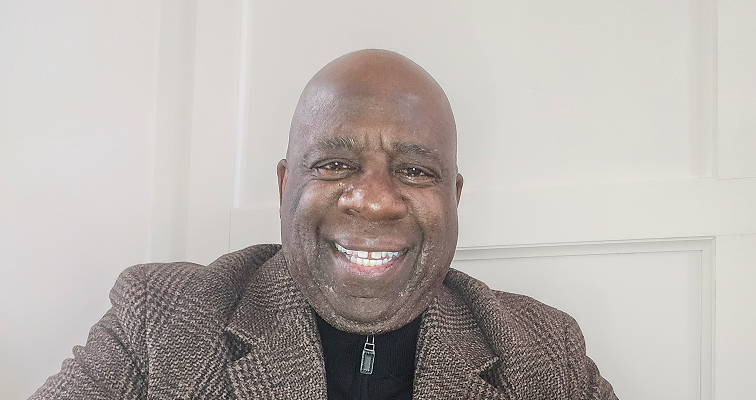
At The Inniss Firm, PLLC, Middletown DWI defense attorney Randall F. Inniss helps clients understand and prepare for every stage of a DWI case, including the OASAS evaluation process. He spent over 22 years as a New York State Trooper before becoming a criminal defense attorney.

This guide explains what an OASAS evaluation is, when one is required, what to expect during the assessment, how the results can affect your case and your professional license, and common mistakes to avoid. Call The Inniss Firm, PLLC at (845) 533-0265 to speak with Randall F. Inniss about your DWI case and OASAS evaluation.

What Does OASAS Stand For and Why Does It Matter After a DWI?

OASAS stands for the Office of Addiction Services and Supports. It is the New York state agency responsible for overseeing addiction treatment services and certifying providers who conduct impaired driver evaluations. Under VTL § 1198-a, OASAS maintains an authorized list of licensed professionals and certified programs qualified to perform clinical screenings for individuals charged with or convicted of impaired driving offenses.

The evaluation itself is not a punishment. It is a clinical tool designed to assess whether alcohol or drug use played a significant role in the arrest and whether the individual may benefit from treatment. However, the results carry real weight in your case.

Prosecutors review OASAS findings when considering plea offers. Judges may rely on the evaluation when determining sentencing conditions. The Department of Motor Vehicles (DMV) uses the results to decide whether to reinstate driving privileges.

The Middletown City Court at 2 James Street and the Orange County Court in Goshen both routinely require OASAS evaluations before finalizing DWI cases. This means the evaluation is not optional in most situations. Completing it promptly and with proper preparation can make a meaningful difference in how your case proceeds.

Key Takeaway: An OASAS evaluation is a state-mandated clinical screening required for most DWI cases in New York. The results influence plea negotiations, sentencing, and license reinstatement, so preparation matters.

When Is an OASAS Evaluation Required in New York?

Not every traffic stop leads to an OASAS evaluation, but most DWI-related arrests do. New York courts and the DMV generally require a clinical screening or full assessment in the following situations.

First-Time DWI with a Blood Alcohol Content (BAC) Under .15

A first-time DWI arrest typically triggers a requirement for at least a basic screening. Even if the BAC was relatively low, the court will want to review an evaluation before accepting a plea or imposing a sentence. The Middletown City Court and other courts throughout Orange County follow this standard.

Aggravated DWI with a BAC of .18 or Higher

An aggravated DWI charge carries enhanced penalties under VTL § 1192(2-a), including longer license revocation periods. Courts in these cases almost always require a full OASAS assessment, not just a screening. The evaluation helps determine whether intensive outpatient treatment or other structured programs are appropriate.

Driving While Ability Impaired (DWAI) Charges

A Driving While Ability Impaired (DWAI) charge typically requires an OASAS evaluation. While a first-offense alcohol-related DWAI under VTL § 1192(1) is classified as a traffic infraction, a drug-related DWAI under VTL § 1192(4) or a combination of both under VTL § 1192(4-a) is a misdemeanor. Regardless of the classification, courts still want clinical confirmation about substance use patterns.

Repeat DWI Offenses

A second or subsequent DWI offense within ten years elevates the charge to a felony under VTL § 1193(1)(c). In these cases, the OASAS evaluation becomes even more critical. The findings may influence whether a judge requires residential treatment, ongoing monitoring, or other conditions as part of the sentence.

DMV License Reinstatement

Even after a DWI case concludes in court, the DMV may require a separate OASAS evaluation before restoring driving privileges. Anyone whose license was revoked due to an alcohol or drug-related conviction must submit evidence of a completed evaluation and any recommended treatment through the OASAS Impaired Driver System (IDS).

Key Takeaway: Most DWI and DWAI arrests in New York require an OASAS evaluation. The type of evaluation, whether a basic screening or a full assessment, depends on the severity of the charge and whether it involves repeat offenses.

What Happens During an OASAS Evaluation?

The OASAS evaluation is a structured clinical interview conducted by a licensed professional approved by the state. Learning about the process ahead of time can reduce anxiety and help you prepare effectively.

The Interview Process

A typical evaluation lasts between 60 and 90 minutes. The evaluator, who may be a Licensed Clinical Social Worker (LCSW) or a Credentialed Alcoholism and Substance Abuse Counselor (CASAC), will ask detailed questions about your personal and medical history. Topics include employment, family background, mental health, physical health, and your history of alcohol or drug use. The interview also covers the circumstances of your arrest and any prior involvement with the legal system.

This is not an interrogation. It is a clinical conversation. However, the evaluator is trained to identify patterns that may suggest a substance use disorder, so honest and thoughtful answers matter.

Collateral Contacts

The evaluator will ask for the names and contact information of at least two people who can provide additional perspective. These collateral contacts, typically family members, close friends, or employers, may be interviewed to corroborate or supplement the information you provide.

Required Documents

You should bring the following to your OASAS evaluation:

  • A valid photo ID
  • A copy of the arrest report or police paperwork
  • Any BAC test results from the breathalyzer or blood test
  • Court paperwork showing the charges filed
  • A signed OASAS IDS consent form
  • Contact information for your collateral sources

Toxicology Screening

In addition to the interview, most evaluators require a urine drug screening or toxicology test. This test is typically conducted at a separate laboratory, and the cost may not be included in the evaluation fee. Planning accordingly is important.

Key Takeaway: The OASAS evaluation involves a 60-to-90-minute clinical interview, collateral contacts, document review, and a toxicology screening. Bring all required paperwork and arrive prepared to discuss your personal history honestly.

DWI Defense Attorney in Middletown – The Inniss Firm, PLLC

Randall F. Inniss, Esq.

Randall F. Inniss is a DWI defense attorney who founded The Inniss Firm, PLLC in 2015. He joined the New York State Police at age 21 and served for over 22 years as a Trooper, Investigator, and Senior Investigator. During that tenure, he earned a Bachelor of Science in Social Science with honors from Binghamton University, a Juris Doctor from the University at Buffalo School of Law, and a Master of Laws in Criminal Law from the same institution.

He personally conducted hundreds of DWI arrests during his state police career and holds an instructor-level qualification in NHTSA Standardized Field Sobriety Testing (SFST). After leaving law enforcement, he served as a Senior Director with the National Basketball Association before founding his criminal defense practice.

Mr. Inniss currently serves as First Vice President of the New York State Association of Criminal Defense Lawyers (NYSACDL) and previously chaired its Motor Vehicle Committee from 2023 to 2026. He is a Fellow of the American Association of Premier DUI Attorneys and a member of the National College of DUI Defense.

How Can OASAS Evaluation Results Affect Your DWI Case in New York?

The outcome of your OASAS evaluation does not stay in a file. It actively shapes multiple stages of your DWI case, from plea negotiations to sentencing to license restoration.

Influence on Plea Negotiations

Prosecutors in the Orange County District Attorney’s Office review OASAS evaluation results when considering whether to offer a reduced charge. A favorable evaluation showing no substance use disorder may support a plea reduction from DWI to DWAI, which carries significantly lighter penalties. A concerning evaluation, on the other hand, may lead the prosecutor to take a harder stance.

Impact on Sentencing

Judges at Middletown City Court and other Hudson Valley courts use evaluation results to determine appropriate sentencing conditions. If the evaluator recommends outpatient treatment, the judge may make completion of that program a condition of the sentence. If no treatment is recommended, the court may impose fewer restrictions.

License Reinstatement Through the DMV

The DMV requires proof that all OASAS-recommended treatment has been completed before restoring a revoked or suspended license. The evaluator submits findings through the Impaired Driver System (IDS), and the DMV will not process a reinstatement application until every requirement is satisfied.

Professional License Consequences

If you hold a state-issued professional license as a nurse, teacher, physician, certified public accountant, attorney, or real estate agent, the OASAS evaluation may have consequences beyond your DWI case. Some licensing boards require self-reporting of arrests. Others only require reporting of convictions. The distinction matters, and getting it wrong can create additional problems.

Key Takeaway: OASAS results affect plea offers, sentencing, DMV license reinstatement, and potentially your professional license. A favorable evaluation can significantly improve your case outcome.

What Are the Possible OASAS Evaluation Outcomes?

After completing the clinical interview, toxicology screening, and collateral contacts, the evaluator will issue one of several possible recommendations.

A finding of “no clinical concern” means the evaluator did not identify evidence of a substance use disorder. In this case, no treatment is recommended, and the evaluation report reflects a clean result. This is the most favorable outcome for your DWI case.

A recommendation for education only typically means the evaluator identified some risk factors, but not enough to warrant formal treatment. You may be directed to attend the Impaired Driver Program (IDP), a state-run educational course about the dangers of impaired driving. Completing the IDP also allows you to apply for a conditional license while your full license is suspended.

Treatment Recommendations

A recommendation for outpatient treatment indicates the evaluator found enough evidence to suggest a substance use problem that would benefit from structured counseling. This may involve weekly sessions over a period of several months.

A recommendation for intensive outpatient treatment or inpatient rehabilitation is reserved for cases where the evaluator identifies a significant substance use disorder. This outcome is more common in aggravated DWI cases or cases involving repeat offenses.

OASAS Evaluation Outcome What It Means Typical Next Step
No Clinical Concern No substance use disorder identified Report filed with court; no treatment required
Education Only (IDP) Some risk factors present Complete Impaired Driver Program
Outpatient Treatment Substance use problem identified Weekly counseling sessions for several months
Intensive Outpatient/Inpatient Significant substance use disorder Structured rehabilitation program

Key Takeaway: OASAS evaluation outcomes range from no clinical concern to inpatient treatment recommendations. The result directly affects what the court and DMV require you to complete before your case can be resolved.

How Do You Choose an OASAS-Approved Provider?

When you are required to complete a formal OASAS evaluation, you must choose an independent OASAS-approved provider. These are licensed professionals or certified programs listed on the OASAS provider directory. Independent providers typically charge a fee, often ranging from $250 to $400 or more. 

The state’s Impaired Driver Program (IDP) is a separate 16-hour educational course that allows eligible participants to apply for a conditional license. While the IDP includes a basic screening that may refer you to an OASAS provider, the IDP does not conduct the clinical evaluation itself. A mandated clinical evaluation must be performed by an approved clinician.

Out-of-State Treatment and Verification

If you receive treatment out of state, additional paperwork is required. Your out-of-state treatment provider must complete an Alcohol and Drug Abuse Rehabilitation Program Summary form, known as Form DS-449, and submit it directly to the DMV. This requirement applies regardless of where the treatment was completed.

Regardless of which provider you choose, make sure they are on the OASAS-approved list. An evaluation from a non-approved provider may not be accepted by the court or the DMV, which would require you to start the process over at additional expense.

Key Takeaway: Choose only OASAS-approved providers for your mandated clinical evaluation. The Impaired Driver Program (IDP) is a separate educational course, not a substitute for a clinical assessment, though it may be required for a conditional license. Out-of-state treatment requires Form DS-449.

What Are Common Mistakes People Make with OASAS Evaluations?

Several avoidable errors can turn a manageable part of the DWI process into a serious setback. Knowing these mistakes can help you stay on track.

  • Using an unapproved evaluator is one of the most common problems. If the evaluator is not on the OASAS-approved provider list, the court and the DMV will not accept the results. You would need to schedule and pay for a second evaluation with an approved provider. Always verify your evaluator’s OASAS approval status before your appointment.
  • Missing court deadlines for completing the evaluation can create significant consequences. Judges set specific timelines for when the evaluation must be completed. If you miss the deadline, the court may revoke bail conditions, impose additional penalties, or delay the resolution of your case.
  • Showing up unprepared is another frequent mistake. Arriving without the required documents, such as your arrest report, BAC results, or court paperwork, can delay the evaluation or require a follow-up appointment. Some evaluators charge additional fees for rescheduled or expedited appointments.
  • Being dishonest during the interview may seem tempting, but evaluators are trained to identify inconsistencies. Collateral contacts and toxicology results provide independent verification. If the evaluator suspects dishonesty, it may be reflected in the report, which could negatively affect your case.
  • Ignoring treatment recommendations after the evaluation is also a serious mistake. If the evaluator recommends outpatient treatment and you do not complete it, the DMV will not reinstate your license. The court may also impose additional penalties for noncompliance.

Key Takeaway: Avoid using non-approved evaluators, missing deadlines, arriving unprepared, being dishonest, or ignoring treatment recommendations. Each of these mistakes can worsen the outcome of your DWI case.

Are OASAS Evaluation Results Confidential?

Confidentiality is a common concern for people facing a DWI evaluation, particularly those who hold professional licenses or work in sensitive fields.

OASAS evaluation results are protected by federal confidentiality regulations under 42 CFR Part 2. These rules restrict who can access your evaluation results and how they can be used. In general, the results may only be shared with the court that ordered the evaluation, with you, or with medical personnel in an emergency. They typically cannot be used against you in other legal proceedings.

However, there are important nuances. The court will see the evaluation results because the evaluator submits them through the Impaired Driver System (IDS). Your defense attorney can also access the report to use in building your case strategy. If you sign a release, the results may be shared with other parties.

Confidentiality and Professional Licensing Boards

For professionals licensed by a state board, confidentiality protections do not prevent the licensing board from conducting its own inquiry. If your licensing board requires self-reporting of arrests, the OASAS evaluation itself may not be disclosed to them, but the underlying DWI arrest may trigger a separate reporting obligation.

How Does an OASAS Evaluation Affect Professional Licenses?

If you hold a professional license issued by a New York state board, a DWI arrest and the associated OASAS evaluation can create additional complications beyond the criminal case itself.

Healthcare Professionals

Nurses, physicians, pharmacists, and therapists licensed by the New York State Education Department may face inquiries from the Office of Professional Discipline (OPD). Some healthcare licensing boards require immediate self-reporting of arrests, while others only require reporting of convictions. The obligation may also differ from any separate reporting requirement imposed by your employer.

Teachers and Education Professionals

Teachers and school administrators may need to report a DWI arrest to their school district, depending on the terms of their employment contract. The New York State Education Department may also conduct its own review if a conviction results from the case.

Financial and Legal Professionals

Certified public accountants, attorneys, and financial advisors may have reporting obligations to their respective licensing bodies. The New York State Bar, for example, requires attorneys to report criminal convictions in certain circumstances.

The Distinction Between Arrest and Conviction Reporting

This distinction is critical. Some boards require reporting at the time of arrest, while others only require reporting after a conviction. Confusing the two can lead to either unnecessary disclosure or a failure to comply with a mandatory reporting requirement. An attorney can help you determine exactly what your licensing board requires.

Key Takeaway: Professional license holders may face separate reporting obligations related to a DWI arrest and OASAS evaluation. The rules vary by profession and by whether your board requires reporting of arrests, convictions, or both.

Working with a Middletown DWI Defense Attorney

A DWI arrest can create uncertainty about your driving privileges, your career, and your future. The OASAS evaluation is one of many steps in the process that can shape how your case is resolved, and approaching it with proper guidance can make a real difference.

Randall F. Inniss has spent decades in the criminal justice system, first as a New York State Trooper who personally made DWI arrests, and now as a defense attorney who challenges them. At The Inniss Firm, PLLC, we represent clients facing charges at Middletown City Court, the Orange County Court in Goshen, and town and village courts throughout the region.

Randall F. Inniss knows how local prosecutors and judges handle DWI cases, and he uses that knowledge to build effective defense strategies.

Call The Inniss Firm, PLLC at (845) 533-0265 for a confidential consultation. Our office is located at 280 NY-211, Suite 203, Middletown, NY 10940, and serves clients throughout Dutchess, Orange, Putnam, Rockland, Ulster, and Westchester counties. Do not let confusion about the OASAS process make your situation more difficult than it needs to be.


via The Inniss Firm, PLLC https://www.trooper2lawyer.com/oasas-evaluation-dwi-hudson-valley/

Monday, April 13, 2026

What are Hardship Driving Privileges After a DWI Arrest in New York?

A hardship driving privilege is a court-ordered, limited driving privilege issued at your arraignment. It allows you to drive only for work, medical treatment, or school during the first 30 days after a Driving While Intoxicated (DWI) charge in New York. It is not a full license, and your license remains suspended throughout. Strict eligibility rules and an evidentiary requirement apply, and a separate Department of Motor Vehicles (DMV) process governs what happens after day 30.

At The Inniss Firm, PLLC, Middletown DWI lawyer Randall F. Inniss represents drivers facing license suspension throughout Orange County and across New York. Mr. Inniss spent 22 years as a New York State Trooper before founding the firm, giving him crucial insight as he defends clients at arraignments in Middletown DWI cases. Losing your license can mean losing your job, your medical care, or your ability to care for your family.

This guide explains the suspension pending prosecution rule, what counts as a hardship privilege, how to prove extreme hardship, who is ineligible, and what happens after the first 30 days when the DMV takes over. Call The Inniss Firm, PLLC at (845) 533-0265 to speak with Randall F. Inniss about your case.

What Happens to Your License at Arraignment in New York?

Under New York Vehicle and Traffic Law § 1193(2)(e)(7), if you are charged with DWI and a chemical test shows a blood alcohol content (BAC) of 0.08% or higher, the judge must suspend your license at arraignment. This is sometimes called the prompt suspension law. The suspension is automatic. The judge has no discretion to refuse it once the prosecutor presents certified test results.

This suspension stays in place throughout your prosecution. It is called a suspension pending prosecution because it lasts until your case is resolved. Unless you can secure limited driving privileges through the court or, later, the DMV, you cannot legally drive at all.

For many drivers in Middletown and throughout Orange County, this creates an immediate problem. Getting to work, taking children to school, or making medical appointments suddenly becomes difficult or impossible.

Key Takeaway: New York judges must suspend your license at arraignment if a chemical test shows a BAC of 0.08% or higher. The suspension is automatic, lasts through prosecution, and applies before you have been convicted of anything.

What Is a Hardship Privilege in a DWI Case?

A hardship privilege is a narrow, court-issued exception to the suspension pending prosecution. It is governed by VTL § 1193(2)(e)(7)(e) and is discretionary, meaning the judge may grant it but does not have to. It does not reinstate your license. Your license remains suspended.

The privilege only allows you to drive for three specific purposes. Driving for any other reason is still prohibited and can result in further charges.

A hardship privilege may permit driving for:

  • Travel to and from your place of employment. This covers commuting only, not driving as part of your job duties (for example, a delivery driver cannot use a hardship privilege to drive a route).
  • Travel to and from necessary medical treatment for yourself or a member of your household.
  • Travel to and from school, if you are a matriculating student at an accredited institution, and the travel is necessary to complete your degree or certificate.

The privilege does not authorize errands, leisure driving, or commercial vehicle operation. If you hold a Commercial Driver’s License (CDL), additional restrictions apply, and the hardship privilege will not allow you to operate commercial vehicles.

Key Takeaway: A hardship privilege is a discretionary, court-ordered exception under VTL § 1193(2)(e)(7)(e) that permits limited driving for work, medical care, or school during the first 30 days after arraignment. It is not a license, and it does not cover errands or commercial driving.

How Do You Prove “Extreme Hardship” at a DWI Arraignment?

To obtain a hardship privilege, you must demonstrate extreme hardship to the court. The statute defines this term narrowly. It is essentially the inability to obtain alternative means of travel to work, to necessary medical treatment for you or a household member, or to school if you are a matriculating student whose degree depends on attendance.

This is a high standard. Saying it would be inconvenient not to drive is not enough. You must show that alternative transportation is genuinely unavailable, prohibitively expensive, or so time-consuming that it does not work for your situation. Public transit may be limited or absent in parts of the Hudson Valley, which is a relevant factor when arguing extreme hardship at a Middletown arraignment.

Why Your Testimony Alone Is Not Enough

Perhaps the most important rule of the hardship hearing is one that catches unprepared defendants off guard. VTL § 1193(2)(e)(7)(e) explicitly states that a finding of extreme hardship may not be based solely on the licensee’s testimony. You need corroborating independent evidence evidence, meaning tangible documentation and corroborating testimony from third parties.

Acceptable evidence often includes:

  • A letter from your employer on company letterhead confirming your work schedule, location, and that driving is essential to your employment
  • Documentation of the distance between your home and workplace
  • Public transportation schedules showing buses or trains are unavailable, prohibitively slow, or do not run during your work hours
  • Estimates for taxi or rideshare costs showing these alternatives are not financially feasible
  • Medical documentation if you or a household member requires regular treatment
  • School enrollment verification and class schedules for students
  • Testimony from a family member, employer, or coworker who can corroborate your circumstances

This hearing often happens right at your arraignment. If the court does not have your certified chemical test results yet, the law says the suspension hearing can be delayed for up to three business days, which is also when the hardship request is typically handled. Because courts throughout the Hudson Valley frequently deal with this during the very first court appearance, you must walk in prepared. Many people show up empty-handed and have their hardship request denied simply because they lack proof.

Key Takeaway: Proving extreme hardship requires more than your own testimony. You need documentation, third-party corroboration, and a clear showing that no reasonable transportation alternative exists. Because the hearing often happens at arraignment, preparation must start before you walk into court.

Middletown DWI Defense Attorney in New York – The Inniss Firm, PLLC

Randall F. Inniss, Esq.

Randall F. Inniss is a New York DWI and criminal defense attorney who founded The Inniss Firm, PLLC in 2015. Before founding the firm, he served 22 years with the New York State Police as a Trooper, Investigator, and Senior Investigator, with assignments in Binghamton, New York City, Buffalo, and surrounding regions. He later spent nearly a decade as a Senior Security Director with the National Basketball Association before returning to legal practice full-time.

Mr. Inniss earned his B.S. from Binghamton University, his Juris Doctor from the University at Buffalo School of Law, and an LL.M. in Criminal Law from the same school. He holds an instructor-level qualification in Standardized Field Sobriety Testing (SFST) from the National Highway Traffic Safety Administration (NHTSA). He is also a member of the National College of DUI Defense and the New York State Association of Criminal Defense Lawyers.

Who Is Not Eligible for a Hardship Privilege?

Not every driver charged with DWI in Middletown can request a hardship privilege. The statute specifically excludes several categories. You are ineligible for a hardship privilege if any of the following apply:

  1. You refused to submit to a chemical test (typically a breath, blood, or urine test offered after the arrest, not the preliminary breath test given at the roadside).
  2. You have a prior DWI or Driving While Ability Impaired (DWAI) conviction within the preceding five years.
  3. You did not hold a valid driver’s license at the time of your arrest.

Refusal cases follow a different legal track entirely. Under VTL § 1194, a chemical test refusal triggers a separate DMV refusal hearing in front of an Administrative Law Judge (ALJ). A refusal allegation results in a license revocation (typically lasting at least one year) rather than a temporary suspension, which is a much more serious outcome.

If a refusal is alleged at your arraignment, the judge will still suspend your license temporarily pending the separate DMV proceeding. You are not eligible for a hardship privilege in that situation, but you may have other defenses available at the DMV refusal hearing.

Key Takeaway: Drivers who refused a chemical test, who have a recent DWI or DWAI conviction, or who lacked a valid license at the time of arrest cannot obtain a hardship privilege. Refusal cases follow a separate DMV process, and the consequences include revocation rather than suspension.

What Happens After 30 Days? The DMV Pre-Conviction Conditional License

Many drivers do not realize that the hardship privilege is meant to be temporary. It typically covers only the first 30 days after arraignment. After that, the DMV takes over.

After you serve a mandatory 30-day suspension period and if you meet the eligibility requirements, the DMV will send you a letter explaining how to apply for a pre-conviction conditional license (PCCL), which is codified at VTL § 1193(2)(e)(7)(d). The DMV, not the court, administers the PCCL, and it allows slightly broader driving than the hardship privilege. In addition to work, medical treatment, and school, a PCCL generally covers travel to required court appearances and to participate in alcohol treatment programs.

The PCCL operates under different eligibility rules than the hardship privilege. A court finding of extreme hardship is required for the hardship privilege; the PCCL has its own DMV-administered criteria. The two privileges are bridges, not replacements for a full license, and your license remains suspended throughout.

Driving Privilege Issued By Statute Duration Allowed Travel
Hardship Privilege Criminal court at arraignment VTL § 1193(2)(e)(7)(e) First 30 days Work, necessary medical, school
Pre-Conviction Conditional License (PCCL) DMV VTL § 1193(2)(e)(7)(d) After day 30, through prosecution Work, medical, school, court, alcohol treatment
Restricted Use License DMV VTL § 530 Varies Limited; generally unavailable for recent alcohol-related offenses

Key Takeaway: The hardship privilege bridges the first 30 days. After that, eligible drivers may apply to the DMV for a pre-conviction conditional license, which allows somewhat broader travel but still does not restore a full license.

How is a VTL § 530 Restricted Use License Different from a DWI Hardship Privilege?

A hardship privilege under VTL § 1193(2)(e)(7)(e) is entirely different from a restricted use license under VTL § 530. The two are sometimes confused, but they apply in different situations and are issued by different bodies.

VTL § 530 provides for restricted-use licenses issued by the DMV for drivers whose licenses have been suspended or revoked under VTL § 510 or § 318. Section 510 covers a wide range of grounds for suspension or revocation, including point accumulation, unpaid fines, and other violations. Drivers who qualify can apply to the DMV for limited driving privileges under § 530.

However, VTL § 530 restricted-use licenses are generally not available for DWI-related suspensions or revocations. The statute prohibits issuance of a restricted-use license to anyone who has had a DWI conviction within the past five years or whose license was revoked for refusing a chemical test, unless they have completed an alcohol and drug rehabilitation program.

Key Takeaway: A § 530 restricted-use license and a hardship privilege are not interchangeable. DWI arraignment suspensions are handled through the criminal court hardship privilege and then the DMV’s PCCL, not through § 530.

What Should You Do Immediately After a DWI Arrest in Middletown?

If you have been arrested for DWI in Middletown or anywhere in the Hudson Valley, time is critical. The arraignment may be scheduled within days, and the hardship hearing usually happens at that same appearance. Once that window closes, you cannot reopen it, which is why Mr. Inniss recommends contacting a defense attorney before that first court date.

Practical steps include:

  1. Contact a New York DWI defense attorney immediately, ideally before your arraignment.
  2. Begin gathering hardship evidence: secure a recent pay stub showing your work address and schedule, collect medical documentation, print local bus and train schedules to show transit gaps, and identify a family member, employer, or coworker who can testify about your circumstances.
  3. Do not assume you can handle the arraignment alone. This is when the hardship hearing happens, and missing the request means you cannot ask for it later.
  4. Understand the timeline. The hardship hearing must occur within three business days of arraignment, but in practice, it usually happens at arraignment itself.
  5. Plan for day 31. Know whether you will be eligible for the DMV’s PCCL once the 30-day hardship period ends, and what documentation the DMV will need.

Key Takeaway: Preparation must begin before arraignment. Gathering pay stubs, transportation schedules, medical records, and corroborating witnesses ahead of time is often the difference between keeping limited driving privileges and losing them entirely.

Speak With an Experienced Middletown DWI Lawyer Today

Facing a DWI charge in Middletown is stressful enough without the added fear of losing your license the same day you walk into court. For many drivers, that suspension threatens a job, a professional license, or the ability to care for a family member. The hardship hearing at arraignment is often your one chance to keep limited driving privileges in place during the first 30 days, and it has to be argued with documentation, not just words.

Randall F. Inniss has defended DWI cases throughout Orange County and the Hudson Valley after a 22-year career with the New York State Police. At The Inniss Firm, PLLC, he prepares clients for arraignment with the documentation and strategy needed to argue extreme hardship under VTL § 1193(2)(e)(7)(e). He also handles the transition to the DMV’s pre-conviction conditional license process when the first 30 days end and helps shape the broader Middletown DWI defense strategy.

Call The Inniss Firm, PLLC at (845) 533-0265 to discuss your situation. We have offices at 280 NY-211, Suite 203, in Middletown and serve clients throughout the Hudson Valley region. The sooner you reach out, the more time there is to gather hardship evidence, prepare for arraignment, and protect your ability to drive while your case moves forward.


via The Inniss Firm, PLLC https://www.trooper2lawyer.com/hardship-driving-privileges-dwi-arraignment-new-york/

Tuesday, April 7, 2026

Hudson Valley DWI Attorney | The Inniss Firm, PLLC | From Trooper to Lawyer

At The Inniss Firm, PLLC, we take pride in delivering experienced and strategic representation to individuals facing criminal charges. Led by New York criminal defense attorney Randall F. Inniss, our firm is built on more than 25 years of legal knowledge and a deep understanding of the justice system. Based in Middletown, we serve clients throughout the Hudson Valley with dedication and professionalism.
 

What sets our practice apart is Mr Inniss’s unique background as a former New York State Trooper. With over two decades of investigative experience, he offers clients a rare dual perspective, combining law enforcement insight with a strong defence strategy. This allows us to identify weaknesses in prosecutions that others may miss.


As a trusted Hudson Valley DWI Attorney, we focus on defending clients charged with driving while intoxicated, misdemeanours, and serious felony offences. Our experience includes work as a certified breathalyser operator and narcotics unit supervisor, providing us with technical knowledge that strengthens our case preparation.


We understand that facing criminal charges can be overwhelming. That is why we are committed to guiding our clients through every step of the legal process with clarity and confidence. At The Inniss Firm, PLLC, we work tirelessly to protect your rights, reputation, and future with a results-driven approach tailored to your specific circumstances.