Tuesday, July 28, 2026

What Is NY VTL 1192(2) – DWI Per Se (.08+)?

New York Vehicle and Traffic Law (VTL) § 1192(2) is the state’s DWI per se law. It applies when a chemical test shows a blood alcohol content (BAC) of .08% or higher. In a DWI per se case, the BAC result is often the central issue, even when the driver did not appear visibly intoxicated.

At The Inniss Firm, PLLC, attorney Randall F. Inniss represents clients charged under VTL 1192(2) in Suffern, throughout Rockland County, and across the Hudson Valley. Our New York DWI defense lawyer reviews the traffic stop, the officer’s administration of the standardized field sobriety tests and where they specifically occurred (Mr. Inniss holds an “Instructor” level designation in SFSTs,) the custody or arrest timing; the chemical-test procedure, refusal allegations (if applicable,) and available defenses. Our office issues a comprehensive 16 page document that goes over all aspects of the case, to include your possible medical defenses, to determine whether the prosecution’s evidence can be challenged and how those issues may affect the case.

This guide explains how a VTL 1192(2) charge works, why chemical-test evidence matters, what penalties may apply, and how a defense attorney can evaluate the case. Call The Inniss Firm, PLLC at (845) 533-0265 to discuss your case and next steps.

What Does “Per Se” Mean Under NY VTL 1192(2)?

“Per se” is a Latin phrase meaning “by itself.” Under VTL § 1192(2), a BAC of .08% or higher is the offense itself. The prosecution does not need to show that you were swerving, slurring your words, or failing field sobriety tests. A properly admitted chemical test result can establish the charge.

This makes VTL 1192(2) different from common law DWI under VTL 1192(3), which requires the prosecutor to prove intoxication through officer observations, field sobriety test performance, and other behavioral evidence. New York’s alcohol-related driving statutes also include Driving While Ability Impaired (DWAI) under VTL 1192(1) and Aggravated DWI under VTL 1192(2-a).

Here is how VTL 1192(2) compares with other common New York alcohol-related driving charges:

Charge Statute BAC Threshold Impairment Required?
DWI Per Se VTL 1192(2) .08%+ No
Common Law DWI VTL 1192(3) No specific BAC threshold Yes
DWAI/Alcohol VTL 1192(1) More than .05 but less than .08, or other evidence of impairment Yes
Aggravated DWI Per Se VTL 1192(2-a)(a) .18%+ No

Key Takeaway: VTL 1192(2) focuses on the BAC result, not visible signs of intoxication. A properly admitted chemical test showing .08% or higher can establish the per se BAC element.

How Does New York Measure BAC in a VTL 1192(2) Case?

New York chemical testing may involve breath, blood, urine, or saliva. Breath testing is common after arrest, often at the police station. Portable breath tests (PBTs) used at the roadside are usually screening tools for probable cause, not the main evidentiary BAC test. Trial use of a PBT can depend on the device, the foundation offered, and how the test was administered.

Blood tests may be used when a driver is hospitalized after an accident or when a breath test is not feasible. Urine and saliva tests are less common in many DWI cases. The reliability of any chemical test depends on proper administration, equipment calibration, and chain-of-custody procedures.

What Is New York’s Implied Consent Law?

Under VTL § 1194, a person who operates a motor vehicle in New York is deemed to have consented to chemical testing of breath, blood, urine, or saliva for alcohol or drug content when the statutory conditions are met.

What Happens If You Refuse the Chemical Test in New York?

Refusing the chemical test can trigger a DMV administrative proceeding that runs independently from the criminal case. If the refusal is sustained, a first chemical-test refusal carries at least a one-year license revocation and a $500 civil penalty. A refusal within five years of a previous DWI-related charge or chemical-test refusal carries a $750 civil penalty and at least an 18-month revocation.

The refusal itself can also be introduced as evidence against you at trial. Refusing the test does not necessarily prevent a DWI conviction, it simply removes the chemical test result as one piece of evidence while adding the refusal as another.

Contact The Inniss Firm to discuss the testing procedures used in your case and learn how they may affect your defense strategy.

What Are the Penalties for VTL 1192(2) in New York?

The penalties for a DWI Per Se conviction depend heavily on whether the driver has prior alcohol- or drug-related driving offenses within the 10-year lookback period. A first offense is generally charged as a misdemeanor, while repeat offenses within 10 years can become felony charges. As of February 16, 2026, a conviction for an aa

Offense Classification Max Jail/Prison Fine Range License Revocation
1st Offense Misdemeanor 1 year $500-$1,000 6 months minimum
2nd (within 10 yrs) Class E Felony 4 years $1,000-$5,000 1 year minimum
3rd (within 10 yrs) Class D Felony 7 years $2,000-$10,000 1 year minimum

A conviction can also bring mandatory surcharges, a Driver Responsibility Assessment, ignition interlock requirements, possible Impaired Driver Program participation, insurance consequences, and other case-specific costs. These added expenses can make even a first offense costly, even when no jail sentence is imposed.

DMV may also conduct a lifetime record review when a driver applies for relicensing after revocation. Drivers with multiple alcohol- or drug-related driving convictions or incidents may face delayed relicensing, restrictions, or denial of relicensing depending on their full driving record.

Key Takeaway: VTL 1192(2) penalties become more serious when the driver has prior DWI-related convictions. The table gives the core penalty ranges, but DMV consequences, court-imposed conditions, and added costs can also affect the final outcome.

What Are the Long-Term Consequences of a VTL 1192(2) Conviction?

The criminal penalties are only part of the picture. A DWI Per Se conviction creates consequences that can affect your life for years.

Your auto insurance costs may increase after a DWI conviction. A DWI or DWAI conviction can lead to nonrenewal, difficulty obtaining coverage in the voluntary market, placement in the New York Automobile Insurance Plan, and higher premiums or surcharges.

A DWI conviction in New York can create long-term criminal-record and driving-record consequences. New York generally uses sealing rather than true expungement for eligible convictions. Some misdemeanor convictions may become eligible for sealing if statutory requirements are met, but sealing does not erase the case or eliminate every legal consequence. DMV records may still matter for future DWI exposure, relicensing, law-enforcement review, immigration-related review, certain fingerprint-based checks, and professional licensing matters.

For non-citizens, a DWI conviction may create immigration concerns depending on the person’s status, record, and the facts of the case. It may affect immigration applications, naturalization, or discretionary immigration decisions, especially when there are multiple DUI convictions or aggravating facts. Anyone with non-citizen status facing a DWI charge should speak with both a criminal defense attorney and an immigration attorney as soon as possible.

DWI Per Se Defense Attorney in Rockland County: The Inniss Firm, PLLC
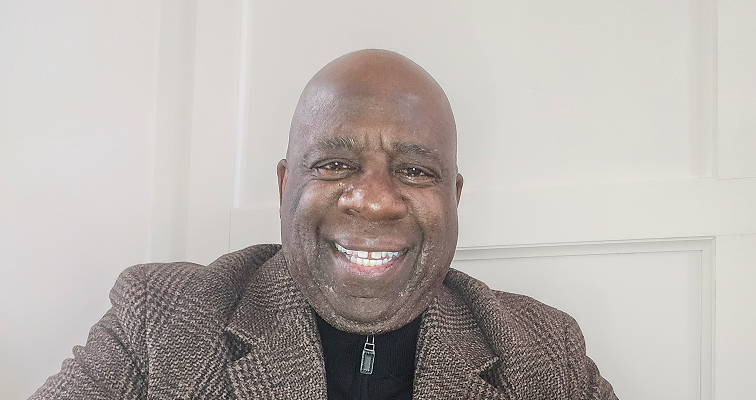
Randall F. Inniss, Esq.

Randall F. Inniss is the founder and principal attorney of The Inniss Firm, PLLC. He is a former New York State Trooper with more than 22 years of investigative experience involving DWI charges, misdemeanors, and felonies. His background includes DWI investigations, police reports, roadside procedures, chemical breath testing, and hands-on experience with DWI arrests. He is also a former Certified Breathalyzer Operator and has completed NHTSA Standardized Field Sobriety Testing training.

His background includes work as a former narcotics unit supervisor, Senior Security Director for the National Basketball Association, and Adjunct Professor of criminal justice at Genesee Community College. He is also a member of the National College of DUI Defense, the American Association of Premier DUI Attorneys, and the New York State Association of Criminal Defense Lawyers.

What Defenses Exist for a NY VTL 1192(2) Charge?

A BAC result of .08% or higher does not guarantee a conviction. Several legal defenses can challenge the evidence, the procedures, or the legality of the stop itself.

Can the Traffic Stop Be Challenged?

The Fourth Amendment to the U.S. Constitution protects against unreasonable searches and seizures. A DWI investigation often begins with a traffic stop, and the officer must have had a lawful basis to stop the vehicle. If the stop was made without a valid legal basis, evidence obtained afterward may be challenged, including the BAC result, field sobriety test observations, and any statements you made. A suppression hearing is typically held before trial to determine whether the stop was lawful.

Can the Breathalyzer Result Be Challenged in New York?

Breathalyzer results are only as reliable as the equipment, the operator, and the testing procedure. New York permits approved evidentiary breath-testing instruments, including the DataMaster DMT. The instrument must be verified, maintained, and calibrated under New York State Department of Health rules. Defense attorneys can request calibration records, maintenance logs, and operator certification documents.

The testing officer must follow required breath-testing procedures. New York rules require at least a 15-minute observation period before the breath sample. During that period, the subject must not drink, eat, smoke, vomit, regurgitate, or place anything in the mouth. If that happens, a new 15-minute waiting period is required.

What Is the Rising BAC Defense?

Alcohol does not reach its peak concentration in your blood the moment you stop drinking. BAC continues to rise as your body absorbs alcohol from your stomach and intestines, and this process can take 30 minutes to two hours after your last drink depending on factors like food consumption and metabolism.

The rising BAC defense argues that your BAC was below .08% at the time you were actually driving, even though it registered at or above .08% when tested later. If significant time passed between the traffic stop and the chemical test, this issue may support a defense strategy.

Key Takeaway: A BAC result of .08% or higher does not end the defense analysis. The stop, testing procedure, calibration records, operator compliance, timing of the test, and rising-BAC issues may all affect the strength of the prosecution’s case.

What Happens After a VTL 1192(2) Arrest in New York?

After a DWI Per Se arrest, the criminal case begins with an arraignment. The judge advises the defendant of the charges, addresses release conditions, and may suspend the driver’s license pending prosecution when the statutory requirements are met. Defense counsel can request discovery materials, including police reports, chemical-test records, and any dashcam or bodycam footage. Pre-trial motions, including motions to suppress evidence, may be filed before trial.

What Is the DMV Refusal Hearing?

If you refused the chemical test, a DMV refusal hearing may follow as a civil administrative proceeding separate from your criminal case. The hearing focuses on whether the officer had reasonable grounds, whether the arrest was lawful, whether the refusal warnings were properly given, and whether the driver refused. The court or officer provides a scheduled hearing date or waiver form. Missing the scheduled hearing can be treated as a waiver and can lead to license revocation.

What Is New York’s Impaired Driver Program (IDP)?

The Impaired Driver Program (IDP), previously known as the Drinking Driving Program or DDP, is a seven-week program. IDP participation may support eligibility for a conditional license or conditional driving privilege when the driver otherwise qualifies. A participant who fails to complete the program, any required assessment, or any required treatment can be dropped from the IDP and lose the conditional license.

Key Takeaway: After a VTL 1192(2) arrest, the criminal case and DMV license issues can move on separate tracks. In refusal cases, the driver must pay close attention to the scheduled DMV hearing date or waiver form. Missing the scheduled hearing can be treated as a waiver and can lead to revocation, regardless of what happens in criminal court.

Can a VTL 1192(2) Charge Be Reduced or Dismissed in New York?

In some cases, a DWI Per Se charge may be reduced to DWAI under VTL § 1192(1) through plea negotiation. DWAI is classified as a traffic infraction rather than a crime, which means it is not a criminal conviction. A reduction may be more likely in a first-offense case with a BAC close to .08% and no aggravating facts such as an accident, a child in the vehicle, or a test refusal.

Whether a reduction is offered depends on the strength of the prosecution’s evidence, the specific facts of the case, and the policies of the local prosecutor’s office. In Rockland County, plea practices may differ from those in neighboring jurisdictions, which is why it matters to work with an attorney who handles DWI cases in Rockland County, Suffern, and nearby Hudson Valley courts.

Outright dismissal is also possible if a suppression motion succeeds and the court excludes the BAC result and other key evidence, or for procedural errors, failure to comply with discovery obligations, or violations of the defendant’s speedy trial rights. Each of these outcomes requires a careful review of the facts and a targeted legal strategy.

Speak With a Suffern DWI Lawyer About Your VTL 1192(2) Charge

A VTL 1192(2) charge can affect your license, court exposure, and long-term record. From reviewing the legality of the traffic stop to questioning the accuracy of the breathalyzer result, there may be defenses worth evaluating depending on the facts of the case.

At The Inniss Firm, PLLC, Attorney Randall F. Inniss helps clients respond to DWI Per Se charges by reviewing the traffic stop, chemical-test evidence, DMV issues, and the facts surrounding the arrest. He represents clients in Suffern Village Court, Rockland County Court, and courts throughout the Hudson Valley.

Call The Inniss Firm, PLLC at (845) 533-0265 for a free consultation. Our office is located at 400 Rella Blvd #165, Suffern, NY 10901, and serves clients throughout Rockland County, Orange County, and Westchester County.

Frequently Asked Questions: NY VTL 1192(2) DWI Per Se

Is VTL 1192(2) a felony or misdemeanor in New York?

A first VTL 1192(2) offense is generally an unclassified misdemeanor. Repeat DWI offenses within 10 years can lead to felony charges, including a Class E felony for a second offense and a Class D felony for a third offense.

What is the difference between VTL 1192(2) and VTL 1192(3)?

VTL 1192(2) is based on a chemical test showing a BAC of .08% or higher. VTL 1192(3) focuses on whether the driver was in an intoxicated condition. A person may face both charges when the case involves both a qualifying BAC result and alleged signs of intoxication.

Will I lose my license after a VTL 1192(2) arrest in New York?

A license suspension may occur at arraignment while the case is pending. A first VTL 1192(2) conviction carries a minimum six-month revocation, and a chemical-test refusal can trigger a separate DMV license proceeding.

Can I get a conditional license after a VTL 1192(2) charge in NY?

Many drivers may qualify for a conditional license through New York’s Impaired Driver Program. Eligibility depends on the driver’s record, the charge, and whether all program requirements are met.

Does a first DWI Per Se conviction stay on my record in New York?

A DWI Per Se conviction can create lasting criminal record and DMV consequences. New York generally uses sealing rather than true expungement, and sealing does not remove every legal or licensing consequence.

How long does a VTL 1192(2) case take in New York?

The timeline depends on the court, the evidence, and whether motions or hearings are needed. Some first-offense cases resolve in a few weeks or months, while contested cases may take longer.

What if my BAC was exactly .08%, is that still a crime?

A .08% BAC result meets the threshold for VTL 1192(2). However, the timing of the test, testing procedure, calibration, and observation-period compliance may still affect how the evidence is challenged.


via The Inniss Firm, PLLC https://www.trooper2lawyer.com/ny-vtl-1192-2-dwi-per-se/

Wednesday, July 22, 2026

What Is NY VTL 1192(3) – Common Law DWI?

New York Vehicle and Traffic Law (VTL) § 1192(3) is the state’s Common Law Driving While Intoxicated (DWI) charge. It applies when the prosecution claims a driver operated a motor vehicle while in an intoxicated condition, even without relying on a specific BAC number. Because this charge can depend heavily on officer observations, roadside evidence, and the facts surrounding the stop, understanding how VTL 1192(3) works is important from the start of the case.

At The Inniss Firm, PLLC, attorney Randall F. Inniss defends drivers facing VTL 1192(3) charges in Suffern and throughout the Hudson Valley. As a New York DWI defense lawyer, he helps clients examine the traffic stop, officer observations, field sobriety testing, chemical-test issues, and other evidence that may affect how a Common Law DWI case is charged, negotiated, or challenged in court.

This guide explains what Common Law DWI means under New York law, how it differs from DWAI and per se DWI, what evidence may be used, what penalties can apply, and how a VTL 1192(3) conviction may affect your license and record. Call The Inniss Firm, PLLC at (845) 533-0265 to discuss your case.

What Does NY VTL 1192(3) Actually Mean?

VTL § 1192(3) provides that no person may operate a motor vehicle while in an intoxicated condition. This is New York’s Common Law DWI, a statutory charge based on actual, observable intoxication rather than a specific BAC number.

Under this statute, “intoxicated condition” means the driver consumed enough alcohol to be incapable of exercising the physical and mental abilities needed to operate a vehicle as a reasonable and prudent driver would. The prosecution does not need a breathalyzer reading or chemical test result. Instead, they rely on the totality of the circumstances: how the driver was operating the vehicle, how they behaved during the stop, and what the arresting officer observed.

This is what separates Common Law DWI from the “per se” DWI charge under VTL § 1192(2). A per se DWI requires proof that the driver’s BAC was .08% or higher through a chemical test. A Common Law DWI requires no specific number, only evidence that the driver was actually intoxicated.

Key Takeaway: NY VTL 1192(3) makes it a crime to operate a motor vehicle while in an intoxicated condition, based on observable evidence. Unlike a per se DWI under VTL 1192(2), prosecutors do not need a BAC of .08% or higher; they must prove the driver consumed alcohol to the point that they could not, to a substantial extent, use the physical and mental abilities needed to operate as a reasonable and prudent driver.

How Is Common Law DWI Different from DWAI in New York?

The difference between Common Law DWI and DWAI comes down to two things: the degree of impairment required and the severity of the charge. Both involve driving after consuming alcohol, but the legal consequences are very different.

What Level of Impairment Does Each Charge Require?

A DWAI under VTL § 1192(1) requires proof that the driver’s ability to operate a vehicle was impaired to any extent by alcohol. This is a relatively low threshold; any noticeable effect on driving ability can support the charge.

Common Law DWI under VTL 1192(3) requires proof of actual intoxication, a higher standard. The prosecution must show that alcohol impaired the driver to a substantial extent, meaning their physical and mental abilities were significantly affected, not just slightly diminished.

How Do the Penalties Compare?

DWAI is classified as a traffic infraction under New York law. Common Law DWI is an unclassified misdemeanor on a first offense. This single distinction affects nearly every consequence that follows.

Category DWAI – VTL 1192(1) Common Law DWI – VTL 1192(3)
Classification Traffic infraction Misdemeanor (1st offense)
Max Jail 15 days 1 year
Fine Range $300–$500 $500–$1,000
License Action 90-day suspension 6-month revocation
Criminal Record No Yes

The license consequence is especially important because a suspension temporarily limits driving privileges, while a revocation terminates them and requires the driver to reapply through the DMV after the revocation period ends. A misdemeanor DWI conviction may also involve additional court and DMV-related costs beyond the fine range listed above.

Key Takeaway: A DWAI under VTL 1192(1) is a traffic infraction, while a Common Law DWI under VTL 1192(3) is a misdemeanor. That distinction can affect jail exposure, license consequences, and criminal-record concerns.

What Evidence Do Prosecutors Use in a VTL 1192(3) Case?

Because Common Law DWI does not require a specific BAC number, prosecutors often rely heavily on what the arresting officer observed and documented.

What Do Officers Look for During a Traffic Stop?

Officers are trained to document specific signs of intoxication from the moment they approach the vehicle. Common observations that appear in DWI arrest reports include:

  • Odor of alcohol on the driver’s breath
  • Bloodshot or watery eyes
  • Slurred speech
  • Fumbling with license and registration
  • Unsteady balance when exiting the vehicle
  • Erratic driving before the stop, such as weaving, wide turns, or failure to signal

These observations form the foundation of the prosecution’s case. Officers record them in standardized formats and typically testify about them in detail at trial or during pre-trial hearings.

Do Field Sobriety Tests Prove Common Law DWI?

Officers typically administer three standardized field sobriety tests (SFSTs) during a DWI stop: the Horizontal Gaze Nystagmus (HGN) test, the walk-and-turn test, and the one-leg stand test. These standardized tests are designed to be administered and evaluated in a consistent manner.

However, FST results are not automatically conclusive. Uneven pavement, poor lighting, footwear, weather conditions, and the driver’s physical condition can all affect performance. An officer who does not follow NHTSA protocols may produce unreliable results, and these protocol failures are a common point of challenge in VTL 1192(3) cases.

Can You Be Charged with Both VTL 1192(3) and 1192(2) in New York?

New York prosecutors may charge both VTL § 1192(2), the per se DWI offense based on BAC, and VTL § 1192(3), the Common Law DWI offense based on proof of intoxication, from the same arrest. This charging approach gives the prosecution more than one theory of the case.

If the BAC evidence is challenged, the prosecution may still rely on observations, roadside testing, video, and statements. If the observations are weak, the BAC evidence may become more important. The final outcome depends on the strength of the evidence, motion practice, plea negotiations, the driver’s prior record, and the county where the case is prosecuted.

In some cases, a negotiated plea to DWAI under VTL § 1192(1) may be available. Because DWAI is a traffic infraction, this type of reduction may help avoid a misdemeanor DWI conviction.

DWI Defense Attorney in Suffern, NY – The Inniss Firm, PLLC

Randall F. Inniss, Esq.

Randall F. Inniss, Esq., founder of The Inniss Firm, PLLC, brings DWI defense clients the perspective of a former New York State Police member who served from 1983 to 2005, including roles from Trooper to Senior Investigator. His background includes DWI investigations, police reports, roadside procedures, chemical breath testing, and hands-on experience with DWI arrests. 

Mr. Inniss earned his J.D. and LL.M. from the State University of New York at Buffalo School of Law, has been admitted to practice in New York for more than 25 years, and is listed as an active New York attorney. His professional affiliations include the National College of DUI Defense, the American Association of Premier DUI Attorneys, and the New York State Association of Criminal Defense Lawyers.

What Are the Penalties for a VTL 1192(3) Conviction in New York?

A first VTL 1192(3) conviction is an unclassified misdemeanor carrying up to one year in jail, a fine of $500 to $1,000, and a minimum six-month license revocation. A new DWI offense may be charged as a class E felony if the driver has a qualifying prior conviction within the previous 10 years. A third qualifying offense within 10 years may be charged as a class D felony. Additional costs, license consequences, ignition interlock requirements, and DMV assessments may also apply. 

Beyond fines and possible jail time, a DWI conviction in New York can also carry mandatory court surcharges. These amounts vary depending on whether the offense is charged as a misdemeanor or felony, and an additional surcharge may apply in town or village court.

What Happens to Your License After a DWI Conviction?

A first-offense DWI conviction in New York results in a license revocation for at least six months. Revocation means your driving privileges are terminated entirely. You must reapply for a new license through the DMV after the revocation period ends.

New York law requires an ignition interlock device (IID) as part of the sentence for a DWI conviction under VTL 1192(2), 1192(2-a), or 1192(3). The IID applies to any motor vehicle the person owns or operates during the period ordered by the court. The restriction may last at least six months and can continue longer depending on the sentence. You may be eligible for a conditional license during the revocation period if you participate in New York’s Impaired Driver Program and meet DMV requirements.

If you refused the chemical test at the time of arrest, you face a separate one-year license revocation through a DMV refusal hearing regardless of the outcome of your criminal case. The civil penalty for a first refusal is $500.

Key Takeaway: A first-offense VTL 1192(3) conviction can carry jail exposure, fines, surcharges, license revocation, and mandatory IID consequences. Prior qualifying convictions within 10 years can significantly increase the seriousness of a new DWI charge.

What Defenses Apply to a NY VTL 1192(3) Charge?

Common Law DWI charges may be defensible because they often rely on officer observations and other fact-specific evidence rather than a BAC number alone.

Was the Traffic Stop Legally Justified?

Under the Fourth Amendment, an officer must have reasonable suspicion of a traffic violation or criminal activity to initiate a stop. If the stop lacked legal justification, any evidence gathered afterward, including officer observations, FST results, and statements you made, may be suppressed by the court.

A successful suppression motion can significantly weaken the prosecution’s case and may limit or exclude important evidence. Your attorney can review dashcam footage, the officer’s report, and dispatch records to determine whether reasonable suspicion existed at the time of the stop.

Can Medical Conditions Affect a Common Law DWI Case?

Several medical conditions produce symptoms that look like intoxication. Diabetes can cause fruity-smelling breath and confusion due to blood sugar fluctuations. Gastroesophageal reflux disease (GERD) can affect how alcohol is detected on the breath. Neurological conditions, inner ear disorders, and fatigue can all cause unsteady balance and slurred speech.

Because VTL 1192(3) relies on observable signs rather than chemical test results, these conditions are particularly relevant as defenses. If a medical condition provides an alternative explanation for the symptoms the officer documented, it may undermine the prosecution’s theory of intoxication. Additional defenses may include challenging whether the officer followed NHTSA protocols during FST administration and arguing that the defendant was not actually “operating” the vehicle at the time of the encounter.

How Does a VTL 1192(3) Charge Affect Your Record in New York?

A conviction under VTL 1192(3) creates a criminal misdemeanor record. Unlike a DWAI traffic infraction, this conviction may appear on criminal background checks conducted by employers, landlords, and licensing boards.

The consequences extend well beyond the courtroom. Professional licenses in nursing, law, teaching, and commercial driving can all be affected by a criminal DWI conviction.

A DWI conviction is displayed on a New York standard driving record for 15 years from the date of conviction. A DWAI conviction is displayed for 10 years. For violations occurring on or after February 16, 2026, New York DMV assigns 11 points for alcohol- or drug-related convictions or incidents. Because 11 points within 24 months may lead to a license suspension, these DMV points can create separate administrative consequences in addition to the criminal penalties for DWI. For criminal charging purposes, a new DWI offense may be charged as a felony if the driver has a qualifying prior conviction within the applicable 10-year lookback period.

In many cases, negotiating a plea to DWAI under VTL § 1192(1) can be an important defense goal. Because DWAI is a traffic infraction, it does not create a misdemeanor DWI conviction, a distinction that may matter for employment, housing, licensing, and other background-check concerns depending on the person’s circumstances.

Speak With a Hudson Valley DWI Lawyer About a Common Law DWI Charge

A Common Law DWI charge under VTL 1192(3) is a criminal offense, not a traffic ticket. Because these cases often depend heavily on officer observations, the defense should closely examine the stop, roadside testing, reports, video evidence, and any facts that may weaken the prosecution’s interpretation.

The Inniss Firm, PLLC, reviews each stage of a DWI case, from the basis for the stop through roadside testing, chemical-test issues, refusal allegations, plea negotiations, license consequences, and trial preparation. Attorney Randall F. Inniss can help assess the evidence, identify potential weaknesses in the prosecution’s case, and evaluate defense options based on the specific facts involved.

Call The Inniss Firm, PLLC at (845) 533-0265 to schedule a consultation. Our office is located at 400 Rella Blvd #165 in Suffern, NY, and we serve clients throughout Rockland County, Orange County, and Westchester County. We will review your arrest, explain your options, and discuss possible defense strategies based on the specific facts of your case.

Frequently Asked Questions About NY VTL 1192(3) Common Law DWI

What is the difference between Common Law DWI and per se DWI in New York?

Common Law DWI focuses on whether the evidence shows actual intoxication. Per se DWI focuses on whether a chemical test shows a BAC of .08% or higher. Both are misdemeanor DWI charges on a first offense.

Can I be convicted of Common Law DWI if I refused the breath test?

A refusal does not automatically prevent a Common Law DWI case. The prosecution may still use non-BAC evidence, including roadside observations, video, statements, and other admissible facts.

Is VTL 1192(3) a felony in New York?

A first VTL 1192(3) offense is generally an unclassified misdemeanor. Repeat DWI offenses can be charged more seriously when the driver has qualifying prior convictions within the applicable lookback period.

Can a VTL 1192(3) charge be reduced to a DWAI?

A DWAI reduction may be possible when the facts, prior record, county practices, and strength of the evidence support that outcome.

Will a Common Law DWI show on a background check?

A VTL 1192(3) conviction is a criminal misdemeanor and may appear on criminal background checks. A DWAI infraction, by contrast, does not create a criminal misdemeanor record.

How long does a DWI stay on your driving record in New York?

A DWI conviction is displayed on a New York standard driving record for 15 years from the conviction date. A DWAI conviction is displayed for 10 years.

Do I need an attorney for a VTL 1192(3) charge?

Because VTL 1192(3) is a criminal DWI charge, legal representation can be important from the beginning. An attorney can review the evidence, address license issues, evaluate plea options, and prepare the case for court.

What courts handle VTL 1192(3) cases in Rockland County?

The court depends on where the arrest happened. Rockland County cases may proceed in Rockland County Court or local courts such as Ramapo Town Court or Suffern Village Court. Orange County cases may proceed in Orange County Court or the appropriate local court.


via The Inniss Firm, PLLC https://www.trooper2lawyer.com/ny-vtl-1192-3-common-law-dwi/

Tuesday, July 7, 2026

How Much Will a DWI Raise Your Car Insurance in New York?

A New York DWI conviction in 2026 costs more than it did even a year ago. On February 16, 2026, the New York Department of Motor Vehicles (DMV) put new rules into effect that quietly added a second Driver Responsibility Assessment to every Driving While Intoxicated (DWI) conviction.

Auto insurance surcharges are capped at three years by statute. Drivers can be moved into the high-risk market or the state’s assigned-risk pool. And even a reduced Driving While Ability Impaired (DWAI) plea now carries the same 11 DMV points as a misdemeanor DWI. Our New York DWI insurance cost impact calculator can help you estimate the potential financial impact.

At The Inniss Firm, PLLC, Hudson Valley DWI attorney Randall F. Inniss represents drivers throughout Orange, Rockland, Westchester, Dutchess, Ulster, Sullivan, and Putnam counties. Our Middletown DWI defense lawyers handle cases at every stage, from the initial traffic stop through trial. We focus on the procedural and evidentiary issues that often decide outcomes in New York DWI cases. Contact us at (845) 533-0265 for a free consultation and learn more about how we can help you.

This guide explains what changed in 2026, which costs are set by statute, how insurance surcharges work in New York, and what to do if you have been charged. For a side-by-side breakdown of fines, fees, and projected insurance impact, see our DWI Insurance Impact Calculator.

What Changed About New York DWI Costs in 2026?

The biggest change is also the one few drivers know about. As of February 16, 2026, New York Vehicle and Traffic Law (VTL) § 1192 convictions now add 11 points to the driver’s record, from a DWAI traffic infraction through Aggravated DWI. Before that date, “Driving While…” convictions carried zero points and were tracked separately as Negative Units.

Crossing the 11-point threshold can trigger both of New York’s Driver Responsibility Assessments (DRAs) for the same conviction:

  • The alcohol-related DRA of $750, paid in three yearly installments of $250.
  • The points-based DRA of $675 (for 11 points), also paid in three yearly installments.

Together, the new rules appear to expose a § 1192-convicted driver to as much as $1,425 in DRA fees over three years from a single incident. That is on top of every other cost.

That $1,425 figure reflects what the regulations say on paper. Whether the DMV will actually charge both DRAs at the same time in real cases is, as of this writing, still unclear. Defense attorneys across the state have been watching for guidance since the February 16 enforcement date, and the answer may differ depending on how individual hearing officers apply the rule.

Key Takeaway: As of February 16, 2026, every VTL § 1192 conviction in New York carries 11 DMV points. That can trigger two Driver Responsibility Assessments at once, totaling up to $1,425 over three years, on top of fines, surcharges, and insurance increases.

What Other DMV Rules Changed on February 16, 2026?

The dual-DRA exposure is the headline, but it is not the only change under 15 NYCRR § 131.3.

The lookback window for counting points grew from 18 months to 24 months. Older violations that would have aged out under the old rule may now still count. Additionally, the lifetime threshold for permanent license denial dropped from five alcohol- or drug-related convictions to four. Every conviction counts toward that total, including a DWAI traffic infraction taken as a reduced plea.

Youthful Offender (YO) dispositions also count under the new rules. A prior DWI handled as a YO disposition now adds to the lifetime total when it would not have before.

Put it together, and a § 1192 conviction in 2026 leaves a heavier DMV footprint than at any point in recent New York history.

What Charges Fall Under VTL § 1192?

VTL § 1192 is not one charge. It is a family of “Driving While…” offenses ranging from a traffic infraction to a felony. Each one now carries the same 11 DMV points.

VTL SectionChargeBAC / ConditionLegal LevelLicense Action (1st Offense)DMV Points (as of 2/16/26)
§ 1192.1DWAI (Alcohol)Over .05, under .07Traffic Infraction90-day suspension11
§ 1192.2DWI (Per Se).08 BAC or higherMisdemeanor (Class A)6-month revocation11
§ 1192.3DWI (Common Law)Any BAC, visibly impairedMisdemeanor (Class A)6-month revocation11
§ 1192.2-aAggravated DWI.18 BAC or higherMisdemeanor (Class A)1-year revocation11
§ 1192.4DWAI (Drugs)Any drug impairmentMisdemeanor (Class A)6-month revocation11
§ 1192.4-aDWAI (Combination)Alcohol and drugs combinedMisdemeanor (Class A)6-month revocation11

Every charge under VTL § 1192, from the most serious down to the DWAI traffic infraction, now carries 11 points and can trigger insurance consequences.

Hudson Valley DWI Attorney – The Inniss Firm, PLLC

Randall F. Inniss, Esq.

Randall F. Inniss earned his Juris Doctor and LL.M. degrees from the University at Buffalo School of Law and has been admitted to the New York State Bar for over 25 years. Before practicing DWI defense, he served 22 years with the New York State Police. During that career, he made DWI arrests, operated breathalyzer instruments, and conducted field sobriety tests on actual roadways. 

Mr. Inniss holds an Instructor-level certification in Standardized Field Sobriety Tests (SFSTs) from the National Highway Traffic Safety Administration (NHTSA) and the International Association of Chiefs of Police (IACP). He has trained other defense attorneys on how those tests should be administered and where they break down. He serves as First Vice President of the New York State Association of Criminal Defense Lawyers (NYSACDL) and is past Chair of its Motor Vehicle Committee. Clients work directly with Mr. Inniss on every case, from initial consultation through resolution.

Does a DWAI Affect My Insurance the Same Way as a DWI?

For insurance purposes, mostly yes. A DWAI under VTL § 1192.1 is technically a traffic infraction, not a misdemeanor. That difference matters for your criminal record, immigration questions, and the potential impact on professional licenses. For example, a DWI can affect a New York teaching license or a nursing license in different ways, depending on the profession.

For your insurance company, the difference matters far less. New York Insurance Law § 2335 lets insurers raise premiums for any alcohol-related driving conviction, including a DWAI. Under the 2026 rules, a DWAI also carries the same 11 DMV points as a misdemeanor DWI. Insurers pull DMV records at renewal, and they will see those points.

Key Takeaway: A DWAI may be a traffic infraction in name, but for insurance purposes, it can trigger the same surcharges and the same 11 DMV points as a misdemeanor DWI. The records also stay on the DMV abstract for a decade or more.

How Much Does a DWI Raise Insurance Rates in New York?

Insurance Law § 2335(b) caps DWI-related insurance surcharges at 36 months from the date of conviction. That is the legal ceiling. Statewide averages for full-coverage auto insurance suggest the following:

  • Clean record: about $1,870 per year.
  • After a single DWI conviction: about $2,860 per year, or roughly $1,000 more.
  • With multiple DWI convictions: about $3,841 per year.

Real numbers vary significantly from driver to driver based on geography, driving history, age, vehicle, coverage limits, and the carrier’s own rating model. Use the figures above to get oriented, not as a forecast for any specific person.

How Do Major Carriers React to a DWI?

Below is a widely cited comparison of how major carriers tend to respond to a first DWI conviction. Read it for general direction, not as a personal estimate. The figures come from national and state-aggregated studies, not a New York-only data set.

Insurance CarrierAnnual Premium (Clean Record)Annual Premium (After 1st DWI)Dollar Increase% Increase
Progressive$1,020$1,066$46~5%
State Farm$1,951$2,140$189~10%
USAA$1,557$2,235$678~44%
Allstate$2,056$2,889$833~41%
Travelers$2,677$3,240$563~21%
Erie Insurance$1,814$2,978$1,164~64%
GEICO$1,736$4,769$3,033~175%

Source: Insurance.com New York DWI Rate Analysis (2026). Figures reflect aggregated national and state-level data, not New York-only underwriting outcomes.

Important Note: This data is blended across many states and many driver profiles. New York’s Insurance Regulation 100 limits how far apart carriers can drift in their rating plans, which tends to compress the spread between carriers in this state.

Your individual factors often drive a bigger share of the actual change in your premium than which logo is on your insurance card. Those factors include geography inside New York, age, prior driving record, vehicle, and coverage limits.

Can My Insurance Company Drop Me After a DWI?

Sometimes, yes. The mechanics matter.

Under New York Insurance Law § 3425, an insurer generally cannot cancel a policy mid-term solely because of a DWI conviction. There is one important exception. If the driver’s license is suspended or revoked during the policy period, which is typical after a § 1192 conviction, the insurer may have grounds to cancel before the term ends.

The more common pattern is non-renewal. The insurer waits until the renewal date and declines to renew, which is allowed in New York.

Some major carriers are known to non-renew after a DWI. Others retain the driver at a higher rate. Practice varies and changes over time.

What Happens If No Insurer Will Cover Me?

Drivers who lose coverage in the standard market generally have two options.

The first is the high-risk or non-standard insurance market. Premiums tend to be higher, and the carriers may be less familiar names, but coverage is available. Several specialty carriers and agencies write high-risk auto policies in New York.

The second is the New York Automobile Insurance Plan (NYAIP), set up under Article 53 of the New York Insurance Law. The NYAIP is the state’s assigned-risk pool, and every insurer licensed to write auto insurance in New York is required by law to participate.

When a driver applies, the application is assigned to one of the participating insurers; the driver does not choose. NYAIP coverage is guaranteed at state minimum limits, but premiums are heavily surcharged compared to the regular market.

NYAIP is generally the most expensive option after a § 1192 conviction and is best understood as a last-resort backstop.

Does New York Require an SR-22?

No. New York does not use SR-22 certificates.

When a driver in New York maintains an active auto policy, the insurer files an FS-1 certificate directly with the DMV. There is no separate filing the driver needs to request and no extra fee for the certificate itself. A driver who moves to New York from a state that requires an SR-22 does not carry that obligation across the state line. However, the driver still has to keep New York’s minimum coverage in place.

What Is the Total Cost of a DWI in New York?

The criminal fine is often the smallest line item. A first-offense DWI conviction in the Hudson Valley typically pulls in costs from several categories at once.

Cost CategoryEstimated Range
Criminal fine (DWI misdemeanor, 1st offense)$500 – $1,000
New York State mandatory surcharge$400
Driver Responsibility Assessment (alcohol)$750 (paid over 3 years)
Driver Responsibility Assessment (11 points)*$675 (paid over 3 years)
Ignition Interlock Device (IID) install + monthly fees, 1 year$1,000 – $1,500
DMV relicensing fees$100 – $200
Alcohol evaluation and treatment program$200 – $500
Victim Impact Panel (Hudson Valley range)$40 – $100
Attorney fees$3,000 – $10,000+
Insurance premium surcharge over the § 2335(b) 3-year capvaries; often several thousand dollars

*The points-based DRA assumes the DMV charges it concurrently with the alcohol-based DRA. As discussed above, that is what the 2026 rules say on paper, but enforcement in individual cases has not yet been confirmed.

Costs vary by court, by county, and by individual circumstances. The figures above are conservative estimates drawn from typical Hudson Valley outcomes and published fee schedules. They are not a quote and not a guarantee.

Key Takeaway: A first-offense DWI in the Hudson Valley typically pulls $7,000 to $15,000 or more across criminal fines, state surcharges, DRA fees, IID costs, treatment, attorney fees, and a three-year insurance surcharge. The exact total depends on the court, the carrier, and the facts of the case.

Does Where I Live in the Hudson Valley Affect My Insurance Cost?

Yes. Hudson Valley counties differ in their base auto insurance rates, and those base rates drive the dollar impact of any percentage surcharge.

Densely populated areas, including parts of Westchester County and urban Orange County, generally carry higher base premiums than rural Sullivan County. When a 20% to 50% DWI surcharge is applied on top of a higher base rate, the dollar increase is larger. A driver in White Plains, Newburgh, or Middletown may see a meaningfully different premium change than a driver in a smaller community for the same conviction.

This is one of the reasons individual results from any general estimate can vary so widely.

What Should I Do If I Have Been Charged With a DWI?

An arrest is not a conviction. Every cost discussed in this article flows from a conviction, not from the arrest itself. That includes the insurance surcharge, the 11 DMV points, the DRA exposure, the IID requirement, and the long mark on a driving abstract.

The path between the arrest and the conviction is rarely a straight line.

A few steps tend to matter early in the process:

  • If you are physically able, write down everything you remember about the stop: the time, the location, what the officer said, what tests were given, and what the officer told you about the equipment. 
  • Preserve any paperwork you were given, including the appearance ticket, the temporary license, and any chemical test refusal warnings. 
  • Double-check for any errors in details such as your name, license plate, and dates.
  • Take note of the date and time of arraignment carefully, because the temporary license suspension typically begins there.
  • Speak with an experienced New York DWI defense attorney as soon as you can. The earlier counsel reviews the stop, the field sobriety tests, the breath test procedure, and the chain of custody for any chemical evidence, the more options tend to be on the table.

Get Help from a Hudson Valley DWI Attorney

A DWI charge in the Hudson Valley carries significant legal and financial consequences, including court fines, DMV fees, and increased insurance premiums. The decisions you make in the days and weeks immediately following an arrest are critical, as they often shape the outcome of your case at sentencing months later. A drunk driving defense attorney in Middletown, NY can review the stop, test evidence, and charge level before those consequences lock in.

Hudson Valley DWI attorney Randall F. Inniss has represented drivers in Orange County, Rockland County, Westchester County, Dutchess County, and other surrounding communities for over 25 years. At The Inniss Firm, PLLC, we review the traffic stop, the field sobriety test administration, the breathalyzer procedure, and the police paperwork to identify the issues that often decide DWI cases. We handle matters in courts throughout the Hudson Valley, including local courts in Middletown, Wallkill, Newburgh, Poughkeepsie, Kingston, White Plains, and Monticello.

Call The Inniss Firm, PLLC at (845) 533-0265 for a free, confidential consultation. Our offices in Middletown and Suffern serve drivers throughout the Hudson Valley. We can review your case, walk you through what you are facing, and explain the defense options available to you.

Legal Disclaimer: This article is provided for general informational and educational purposes only. It does not constitute legal advice, tax advice, or insurance advice, and it does not create an attorney-client relationship. Statutes, regulations, fee schedules, and insurance practices change. The figures, ranges, and statutory references reflected here are accurate to the best of our knowledge as of publication and are subject to change. For advice specific to your situation, consult a qualified New York DWI defense attorney and a licensed insurance professional. Prior results do not guarantee a similar outcome.


via The Inniss Firm, PLLC https://www.trooper2lawyer.com/first-time-dui-dwi-charges-in-ny-the-affects-on-your-insurance/